
Reviewed · COOKING CLASSES
Lisbon: Portuguese street food cooking class with Drinks
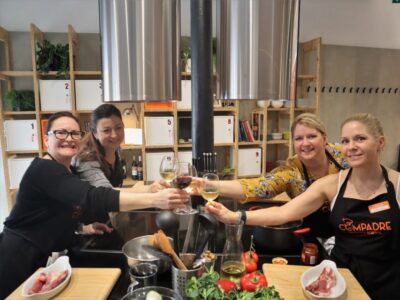
If you want Lisbon food that feels like something you could actually order on a side street, this Portuguese street food cooking class is a smart way to get it. You learn iconic dishes like Bifana and Caldo verde while local chefs guide you at the same kind of workstations that make this cuisine feel so practical in real life.
What I like most is the hands-on setup and the people running it. In recent sessions, chefs such as Marta, Anna, and Roy have been called out for clear guidance, good energy, and teaching that keeps you cooking instead of watching.
One consideration: you only have two hours, so it moves. You will spend a lot of time actively preparing and assembling, and if you prefer a slower, lecture-style class, you might feel the pacing is more hands-on than teacher talk.
Key Things You Should Know Before You Go
- You cook the classics: Bifana, Caldo verde, and Peixinhos da horta (plus other street-food style bites).
- English instruction: the chef-led guidance is in English, with lots of practical steps.
- Wine and ginja are included: you get a glass of red or white wine, plus tasting of Ginja cherry liqueur.
- You eat what you make: the group meal is built from your own dishes, shared at the table.
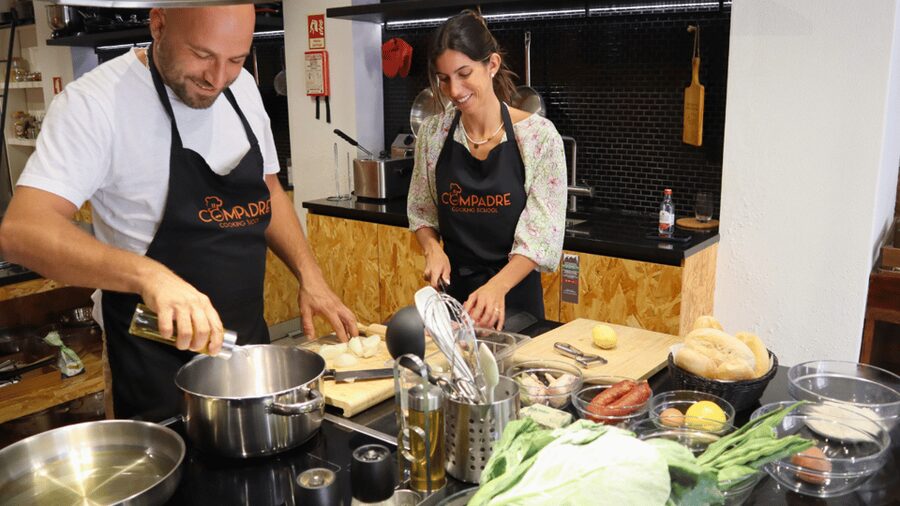
- A clean, modern kitchen matters here: several recent comments highlight spacious, spotless stations and a welcoming vibe.
- Not for wheelchair users: the class is listed as not suitable for wheelchair access.
A 2-Hour Street Food Cooking Class That Feels Like Real Lisbon
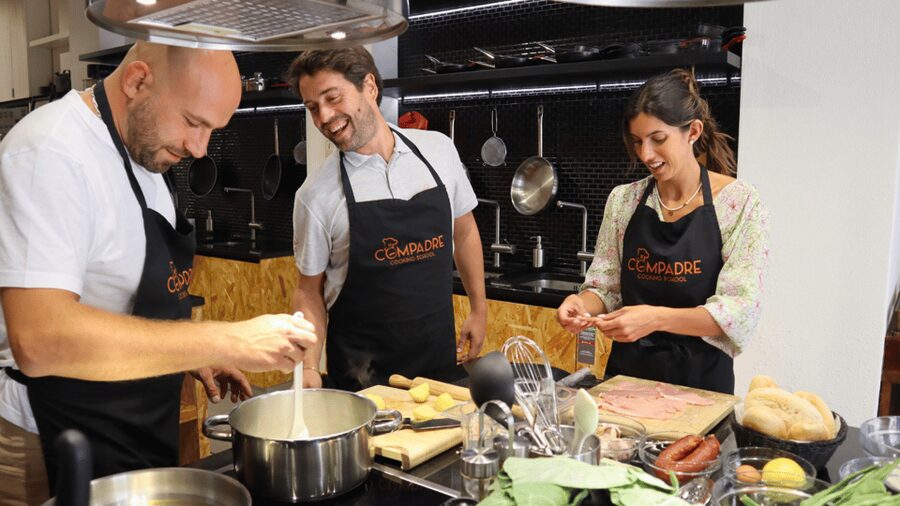
This class stands out because it targets the food people actually reach for. You are not just learning a recipe, you are learning the logic behind a few Portuguese street favorites: simple ingredients, clear technique, and flavors that make sense for snack bars and festivals. The format is built for action, so you will be chopping, mixing, assembling, and finishing dishes with a chef hovering nearby to correct the small stuff.
You also get the cultural side without turning it into a long lecture. You’ll hear short stories about where each dish comes from and how it shows up in everyday Portuguese life. That helps the food click, especially if you plan to eat your way through Lisbon afterward. You start spotting patterns, like what each dish is meant to do, hot and comforting, snackable, or festive.
Time is the main limitation. Two hours is enough to cook and eat, but it is not enough to master everything about Portuguese cuisine. You will leave knowing how to make a handful of core dishes, not “all Portuguese cooking.”
More food tours around Lisbon:
- Lisbon Small-Group Food Tour with 18 Tastings in Alfama District
★ 5.0 · 1,967 reviews - Lisbon: Baixa District Food Tour with Dinner and Drinks
★ 4.9 · 1,870 reviews - Devour Lisbon: The Ultimate Portuguese Food Tour
★ 5.0 · 1,782 reviews
Where You Start at Compadre Cooking School Kitchen
Your meeting point is the Compadre Cooking School kitchen. Plan to arrive about five minutes early so you can settle in and get assigned to your cooking stations without rushing.
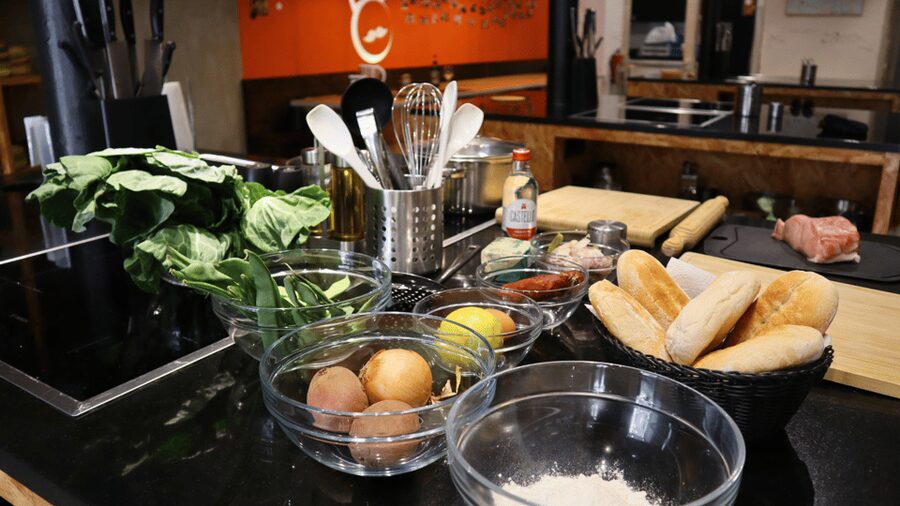
The kitchen setup seems to be a big part of why so many people leave happy. Multiple comments call out spacious, spotless work areas and a professional layout that makes group cooking feel orderly, even when everyone is busy. That matters because street food cooking is hands-on. If the space is tight or messy, the whole experience feels stressful. Here, the opposite shows up in the feedback.
Also, wear comfortable shoes. This is practical guidance, not a suggestion for show. You are going to be standing, moving around the counter, and working at different stations.
The Dish Lineup: Bifana, Caldo Verde, and Peixinhos da Horta
The menu is the heart of the class, and it is designed around recognizable Portuguese comfort and snack foods.
Bifana, the pork sandwich you’ll want to make again
Bifana is the famous Portuguese pork sandwich, and you’ll learn how to prepare it. In a class like this, the value is not just “how to cook pork,” it is learning how the flavor is built and how the sandwich gets assembled so it stays satisfying rather than sloppy. Even with limited time, the class aims to make the steps clear enough for you to repeat at home.
If you like street food that is comforting but not fussy, this is one of the best dishes to start with.
More cooking classes in Lisbon:
- Lisbon: Pastel de Nata Baking Class
★ 4.9 · 2,106 reviews - Lisbon: Traditional Portuguese Cooking Class
★ 4.9 · 592 reviews - Lisbon: 2-Hour Pastel de Nata Cooking Class
★ 4.8 · 461 reviews - Lisbon Portuguese Cooking Class with 3-Course Dinner
★ 5.0 · 445 reviews
Caldo verde, collard greens soup done the Portuguese way
You’ll also make Caldo verde, the iconic collard greens soup that shows up everywhere in Portugal. The key is understanding how the soup stays smooth and comforting while still tasting like it has real body. It is a dish that tastes like it has always belonged on the table, so the explanation of its role in daily life helps you connect the flavor to the culture.
One of the most repeated favorites in feedback is this soup. People describe it as fantastic and note that it was a highlight of their meal.
Peixinhos da horta, the dish that inspired tempura
Then comes Peixinhos da horta, the classic fried vegetable bites that are closely linked to the story of tempura. The class frames it as the original dish that inspired what became world-famous tempura. Even if you have eaten tempura before, this gives you a reason to look at the technique differently.
Some sessions also reference fried vegetable bites such as tempura-style beans, which points to a street-food approach. You are learning how batter meets hot oil, and how small details affect crispness and texture.
The benefit here is that you cover different Portuguese styles in a single evening. Sandwich, soup, and fried snacks. That variety makes it easier to bring home a full “Portugal meal” idea.
Cooking With Local Chefs: How the Class Stays Hands-On
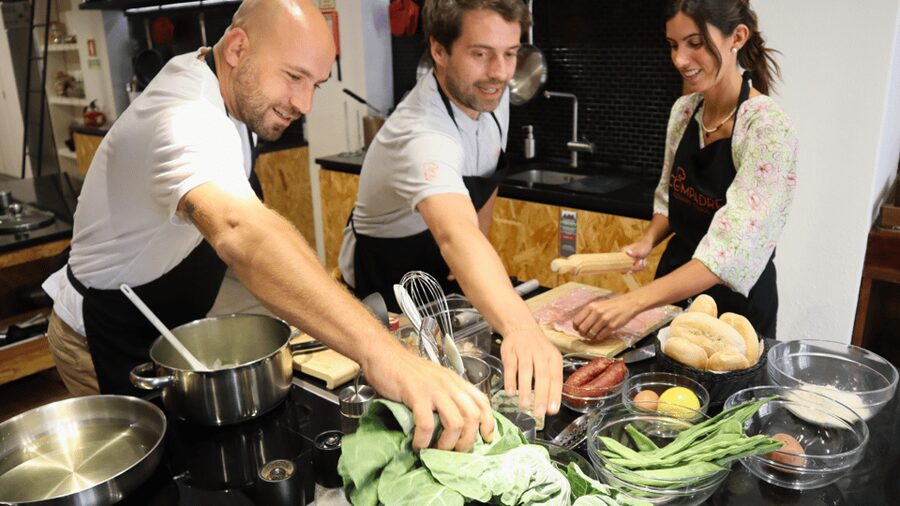
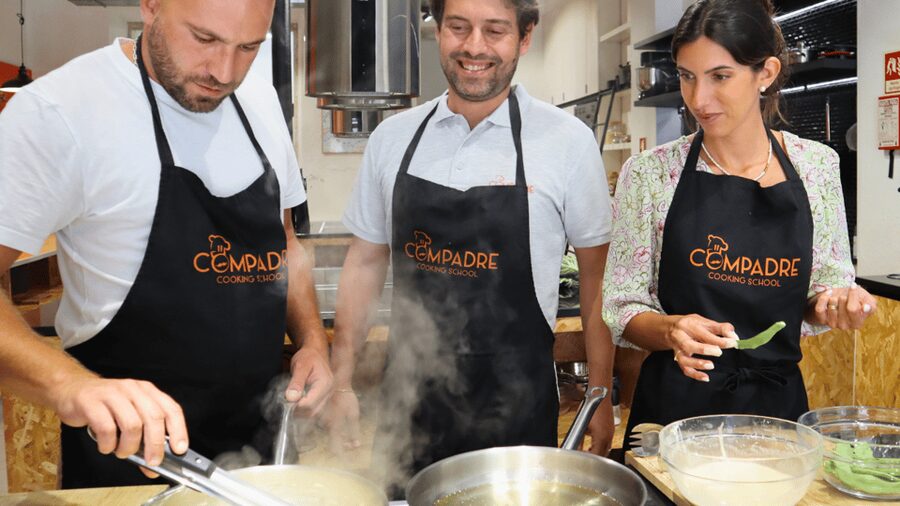
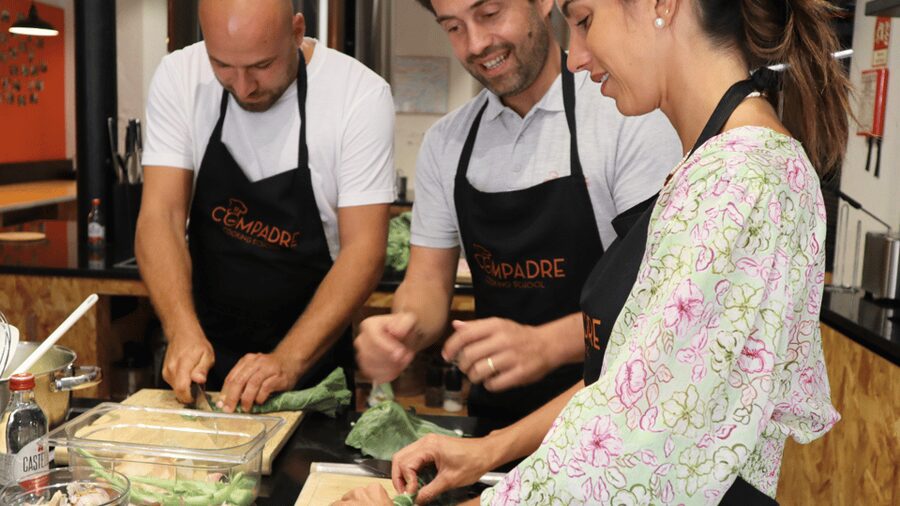
This is not a sit and watch class. You work side by side with fellow participants, guided by the local chef, and you keep moving through the steps so you feel ownership over the final meal.
The coaching style is practical. In recent experiences, instructors like Marta and Anna have been praised for making instructions clear, fun, and easy to follow. Roy has also been singled out for sharing the process behind a drink, with attention to industry standards. That matters because the class is not only about food technique, it also teaches you how to handle the parts of the experience that people often skip, like drink service and the small rhythm of a meal.
You should expect to participate throughout most of the process. One comment specifically notes that there were enough steps for everyone to get involved pretty much the entire time. That is a real quality marker. In some group cooking classes, some people spend half the session standing around. Here, the setup seems designed to avoid that.
Possible drawback: one participant felt the experience leaned too far into doing rather than teaching at a certain point. If you want lots of mini-lessons for each step, you may need to ask more questions during the class. The good news is that the overall tone in feedback emphasizes help and clarity, so asking works.
The Stories Behind Each Dish, and Why They Matter
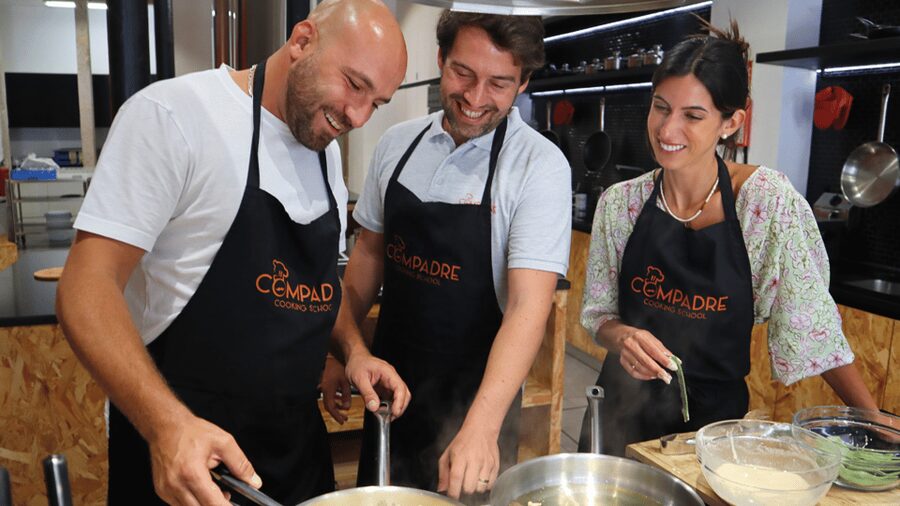
Food history here is short and useful. You’re not getting a textbook. You’re getting the kind of context that makes the flavor choices make sense.
You will hear stories about the origins of the dishes and their role in Portuguese daily life, and the class connects those local traditions to broader food ideas. A standout example is the Peixinhos da horta link to tempura. That one fact alone gives you a mental bookmark for the fried-bite technique.
Why this matters for you: when you understand why a dish exists, you cook it differently at home. You stop treating recipes like magic formulas and start treating them like cultural logic. That makes you more confident when you adjust for ingredients you can find locally.
Wine, Ginja, and Your Shared Meal at the End
After cooking, you gather around the table to eat. This is not a token tasting of two bites. It is a shared meal of the dishes you prepared, and it is a big part of why people rate this class so highly.
Your drinks include:
- A glass of wine, red or white
- Ginja, a traditional Portuguese cherry liqueur tasting at the end
That pairing is smart. Wine keeps the meal feeling Portuguese, and ginja adds that distinct cherry note you might otherwise have to seek out separately. One comment even suggests the instructor’s discussion of a drink process was a highlight, which tells me they treat the drink portion as more than just pouring.
This shared eating time also has social value. Several comments mention the group table as a chance to meet new people while enjoying the food together. In practice, that means you get a more “evening in Portugal” feel rather than the rushed feel of some classes.
Price and Value: What $55 Buys You in Lisbon
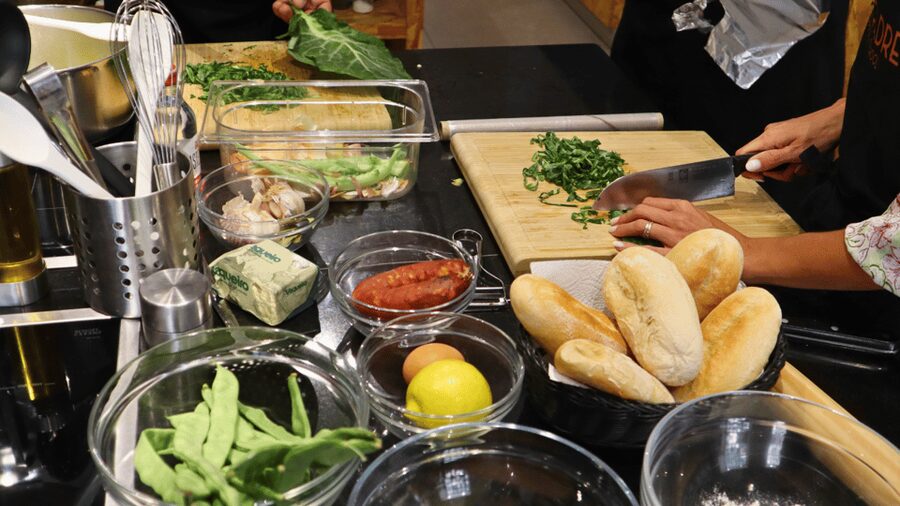
At $55 per person for a 2-hour class, it’s worth looking at what you actually receive.
You get:
- Expert chef guidance
- All cooking ingredients
- A glass of wine (red or white)
- Tasting of Ginja
- A shared meal of what you cooked
You do not get transportation to or from the class, and you also do not get additional drinks beyond what is provided.
Here’s how I’d frame the value. Cooking classes can be expensive when they are mostly entertainment or when you leave hungry. In this format, the pricing is tied to real deliverables: ingredients, instruction, and a full shared meal plus drinks. If you would otherwise spend money eating out plus paying for wine and a special local liqueur, this starts to look like a packaged deal.
Also, the recipes are designed to be simple enough to recreate. That is the “future value” part: you are not only paying for one meal, you are buying a small set of repeatable skills tied to recognizable Lisbon flavors.
Who This Class Is Best For, and Who Might Not Love It
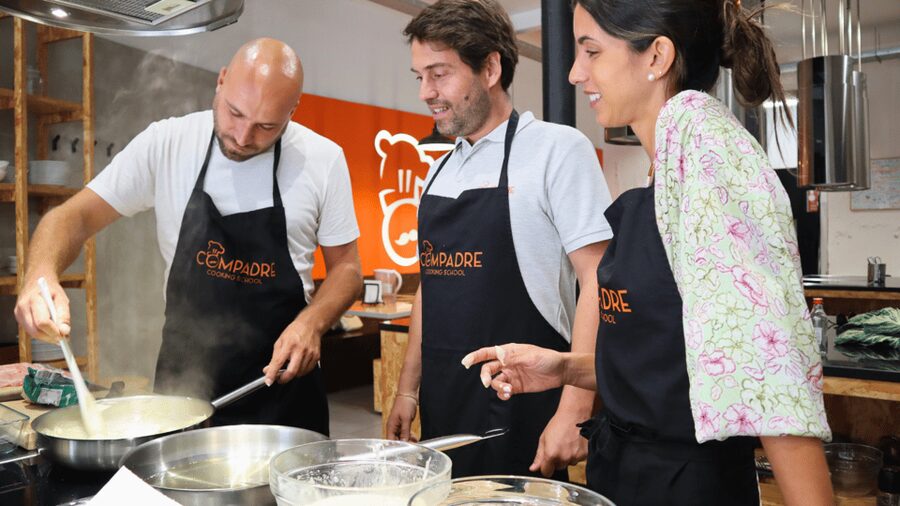
This class fits well if you are:
- A food lover who wants Lisbon flavors that go beyond the usual tourist hits
- Curious about Portuguese street snacks and comfort dishes
- Hoping to learn by doing, with clear guidance in English
- Traveling in a group or solo, and you like the idea of eating with others
It may be less ideal if you:
- Need wheelchair access, since the class is listed as not suitable for wheelchair users
- Want a more relaxed, observing-only experience, because it is built to keep you cooking most of the time
- Have very specific dietary needs but do not plan to contact the organizers in advance, since diet adaptations depend on arranging changes for you
Practical Tips So Your Class Runs Smooth
A few small things make a difference in a kitchen class like this.
Wear comfortable shoes and clothing you can move in. You will stand and work, and you might not want to worry about minor mess or drips.
Arrive about five minutes early. It helps you get settled quickly so you are ready when the first steps begin.
If you have a diet you need to manage, reach out in advance. The class notes that they can adapt recipes for specific diet needs.
Finally, bring a learning mindset. Even if you have never cooked before, the class is designed for it, and the instructors have been praised for keeping participants involved with clear direction. Asking questions when you are unsure is the easiest way to get the most out of a short session.
Should You Book This Lisbon Street Food Cooking Class?
I’d book it if you want a real taste of Portuguese street food that you can recreate later, not just sample once. The strongest case for booking is the combination of hands-on cooking, a clear menu built around recognizable dishes, and the fact that you sit down and eat what you made with wine and ginja included.
The main reason to hesitate is if you dislike a fast, active class format. This one is about doing. It also is not a fit for wheelchair access.
If your goal is to leave Lisbon with a pocketful of recipes and a “now I get it” understanding of why these dishes matter, this class is a solid use of two hours in the city.
FAQ
How long is the cooking class in Lisbon?
It runs for 2 hours.
What dishes will I learn to make?
You’ll learn to prepare Bifana, Caldo verde, and Peixinhos da horta. The class also references street-food style bites such as tempura-type items.
Where do I meet the class?
The meeting point is the Compadre Cooking School kitchen in Lisbon.
Are drinks included?
Yes. You get a glass of wine (red or white) and a tasting of Ginja at the end.
Do I need any prior cooking experience?
No prior cooking experience is needed.
Is the class taught in English?
Yes, the instructor teaches in English.
Can the class adapt for dietary needs?
If you have a specific diet, you should contact the organizers because they can adapt the recipes.
More Workshops in Lisbon
- Pastel de Nata Pastry Class: Bake and Enjoy Your Own Treats
★ 5.0 · 485 reviews - Lisbon: Azulejos’ Design Create Your Own Tile Workshop
★ 4.9 · 420 reviews - Traditional Portuguese Cooking Class in Lisbon
★ 5.0 · 287 reviews - Lisbon: 1.5-Hour Surf Lesson
★ 4.8 · 257 reviews
More Food & Drink in Lisbon
- Winner 2025 Undiscovered Lisbon Food & Wine Tour by Eating Europe
★ 5.0 · 6,390 reviews - Lisbon: Food and Wine Small Group Walking Tour
★ 4.9 · 4,082 reviews - Lisbon Food Tour with 10+ Tastings of Local Delicacies & Wines
★ 5.0 · 1,339 reviews - Award-Winning Original Lisbon Food Wine Tour: 19 Curated Tastings
★ 5.0 · 1,288 reviews
Newly reviewed in Lisbon
- Lisbon: Private Food Tour – 10 Tastings with Locals★ 4.8 · 73 reviews
- Lisbon: Private Custom Tour with a Local Guide★ 5.0 · 6 reviews
- Lisbon: 2 hours Private City Highlights Tuk-Tuk Tour for two★ 5.0 · 5 reviews
- Lisbon: City Sightseeing Tour★ 4.9 · 13 reviews
- Lisbon: Private Christmas Lights Tour by Eco Tuk Tuk★ 4.9 · 51 reviews
- Lisbon: Private Catamaran Charter for up to 18-People★ 5.0 · 7 reviews
- Lisbon: Private Boutique Boat Tour – Sail in Style★ 5.0 · 87 reviews
- Lisbon: Private Boat Trip, Guided Walking Tour, Bike & Tram★ 4.8 · 116 reviews
Cooking Classes, compared.


Lisbon Portuguese Cooking Class with 3-Course Dinner
Read our review →
Traditional Portuguese Cooking Class in Lisbon
Read our review →

Browse the lists this tour appears in