
Reviewed · COOKING CLASSES
Lisbon: Traditional Portuguese Cooking Class
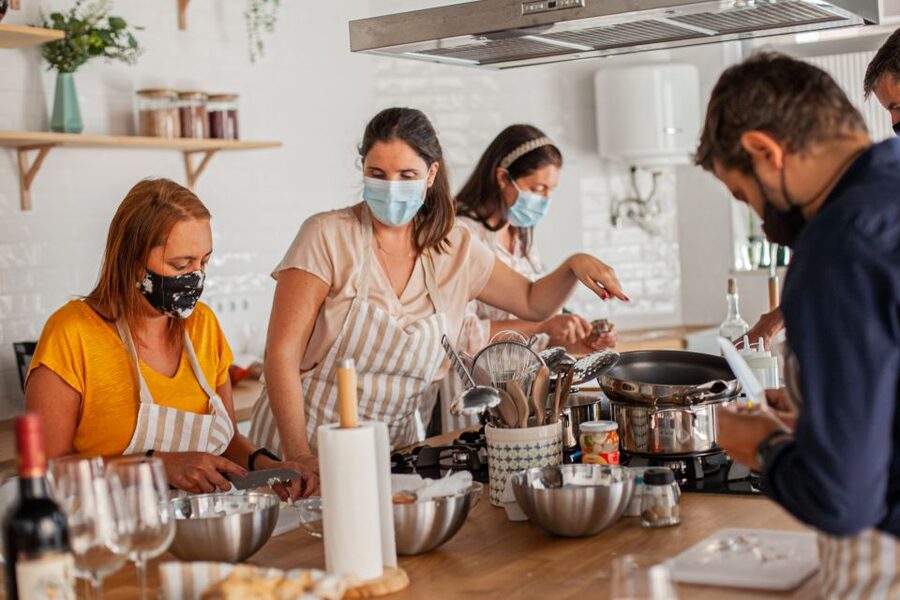
If you want Lisbon food that feels real, not staged, this is a strong bet. It runs in a small kitchen in a chef shop, and you do the cooking, not just watch. The menu shifts with seasonal ingredients, and the chefs pair every dish with the stories that explain why Portuguese cooking tastes the way it does.
I especially like the hands-on format. You cook a full sequence (starter, main course, dessert) while learning techniques in real time. I also like the pre-cooking tastings of cheeses, chorizo, and Portuguese wine, which sets your palate up fast.
One thing to consider up front: this class has limits. It is not suitable for wheelchair users, vegans, people with food allergies, or children under 8, and pets are not allowed. If you have dietary needs, you’ll want to plan early.
Key Points That Make This Cooking Class Worth Your Time
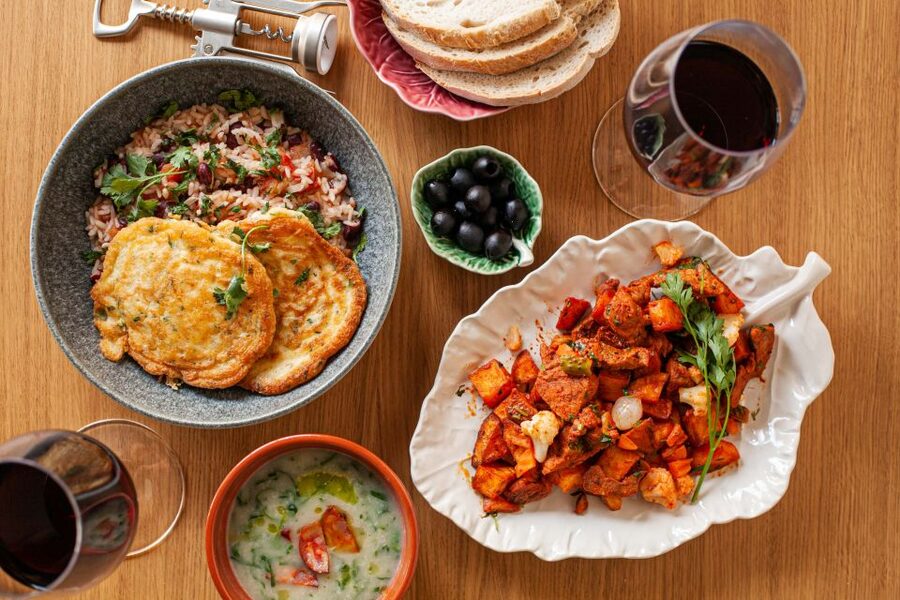
- Small group, up to 10 people means you get real attention while you cook.
- Cheese, chorizo, and wine tasting happens before you start cooking, so you understand what you are working toward.
- Starter, main course, and dessert give you a complete meal, not a token “demo.”
- Seasonal, local ingredients mean the menu changes, which keeps it feeling current instead of scripted.
- Dish stories and family traditions help the food make sense, not just taste good.
- English and Portuguese instruction keeps you comfortable whether you speak the language or not.
What the 3-hour Portuguese Cooking Class Feels Like in Lisbon
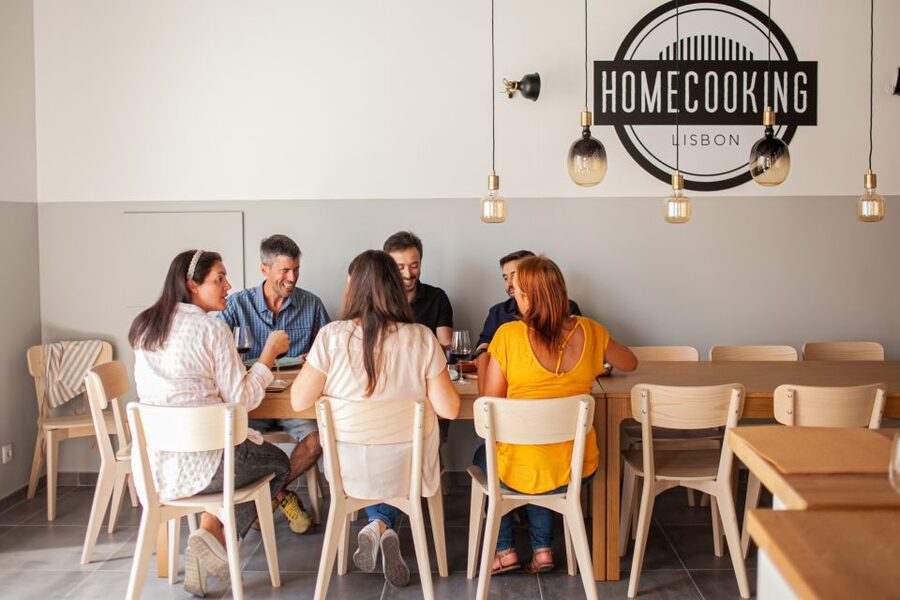
This isn’t the kind of class where you sit back and hope something clicks. From the way it is set up, you are mixing, shaping, tasting, and asking questions, usually all in the same evening. And because it is a small group capped at 10, you are less likely to feel like a number.
You will also get context, not just instructions. Portuguese cuisine is famous for using strong flavor basics like good olive oil, pork and cured meats, and seasonal produce. Here, you pair that with the “why” behind each dish, which is the difference between remembering recipes and actually understanding how Portuguese cooks build meals.
The overall vibe is relaxed. Several course write-ups describe a warm atmosphere, with chefs who keep things light while still teaching you step by step. If you like food as culture, not just food as a product, you will probably enjoy how the evening connects kitchen work with family life.
More cooking classes in Lisbon:
- Lisbon: Pastel de Nata Baking Class
★ 4.9 · 2,106 reviews - Lisbon: Traditional Portuguese Cooking Class
★ 4.9 · 592 reviews - Lisbon: 2-Hour Pastel de Nata Cooking Class
★ 4.8 · 461 reviews
Getting to the Kitchen on Top of the Chef Shop (Near Continente Bom Dia)
Logistics matter for classes, because you do not want to show up flustered. The meeting point is straightforward once you know what to look for: you head near the Continente Bom Dia supermarket. From there, face the main door, then go up the stairs on the left side.
Your kitchen is on the top floor of the street, inside the chefs’ shop. That means stairs, so wear shoes you can walk in comfortably. Plan a few extra minutes if you are arriving during busy street hours, since it is a working shop location, not a big tourist complex.
Also note what is not allowed: pets are off the list, and the experience does not allow alcohol and drugs. Wine is part of the tasting included, but the rules keep the environment focused and appropriate.
First Bites: Cheeses, Chorizo, and Wines Before You Cook
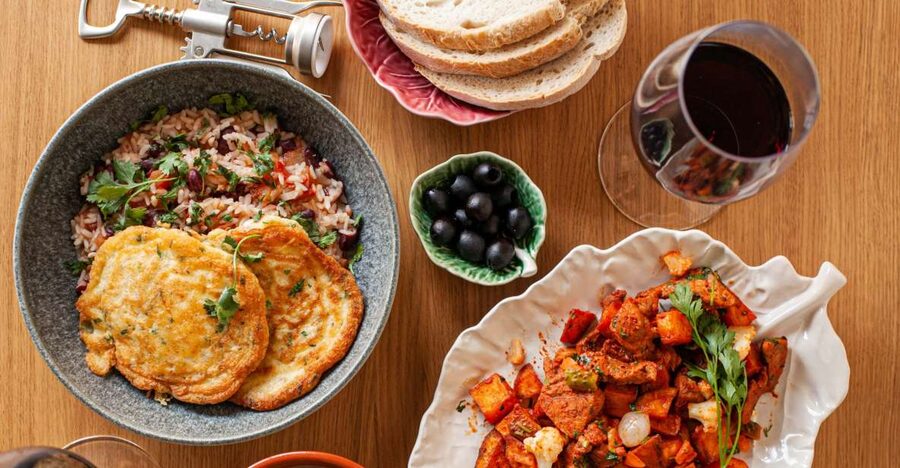
Most cooking classes start with a rush to the chopping board. This one slows you down in a good way with a tasting first: cheeses, chorizo, and Portuguese wines.
That order is smart for your learning. When you taste cured meats and cheese before you cook, you start noticing flavor combinations and texture while the chefs explain what you are about to make. And because Portuguese wine and cured products bring bold salt and fat notes, it helps you understand why the rest of the meal is built the way it is.
In multiple write-ups, people mention the chefs getting the group loose early, often with an antipasto-style start paired with wine. Even if you only plan to taste lightly, it helps you settle into Portuguese meal rhythm: shared plates, slow conversation, and then full-on cooking.
Cooking Starter, Main Course, and Dessert With Real Teaching
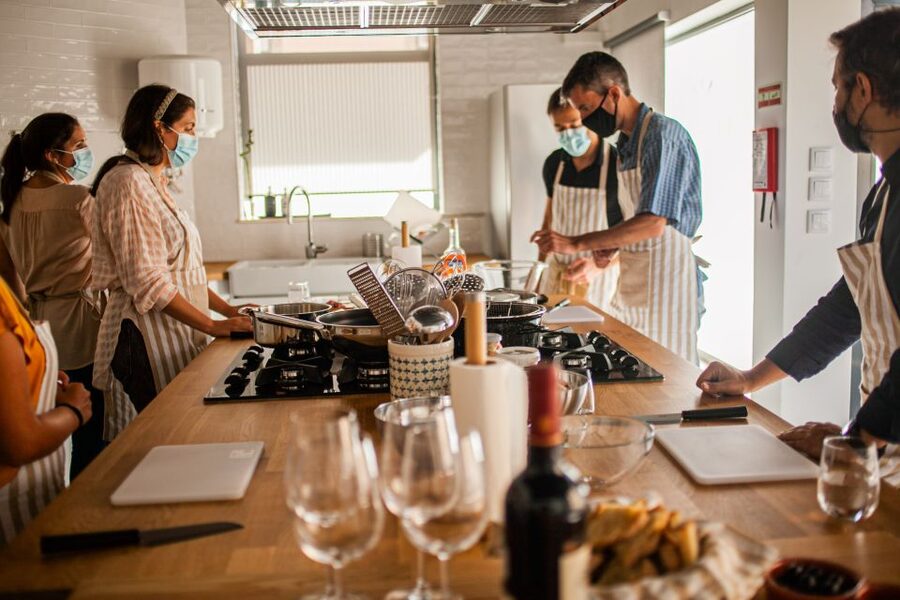
You cook a complete Portuguese meal across three parts: a starter, a main course, and dessert. The chefs teach while you work, rather than handing you a recipe card and sending you off.
A few other ways to do Lisbon
- Pastel de Nata Pastry Class: Bake and Enjoy Your Own Treats
★ 5.0 · 485 reviews - Lisbon Portuguese Cooking Class with 3-Course Dinner
★ 5.0 · 445 reviews - Lisbon: Azulejos’ Design Create Your Own Tile Workshop
★ 4.9 · 420 reviews - Traditional Portuguese Cooking Class in Lisbon
★ 5.0 · 287 reviews
How the class typically runs
The flow is usually something like this: you taste and learn the ingredients first, then you cook the starter, move to the main course, and finish with dessert. Along the way, the chefs explain techniques and why certain steps matter for flavor and texture.
This is where the small group size pays off. With fewer than 10 people, you are more likely to get help when you need it, whether that is troubleshooting a cooking step or understanding how the chefs judge “done.”
The chefs and their teaching style
Several instructors are mentioned in course write-ups, including Ana and Carina, and also Karina and Hannah. Regardless of the name you see on your session, the common thread is a mix of clear instruction and humor.
People also highlight personal touches, like olive oil and figs from a family farm and breads from a hometown source. Those kinds of details matter because they turn ingredients into a story you can remember, and they make the meal feel connected to real sourcing.
What you learn that you can use at home
Even without knowing the exact dishes ahead of time, you should walk away with skills. You will learn how Portuguese cooking treats simple ingredients with respect. That often means you pay attention to timing, how you season, and how you build flavor instead of relying on complicated steps.
Because the menu changes with the season, you also learn that Portuguese cooking is flexible. When ingredients change, the techniques guide you, not a fixed script.
The “Story Behind Each Dish” Part That Actually Changes How You Taste
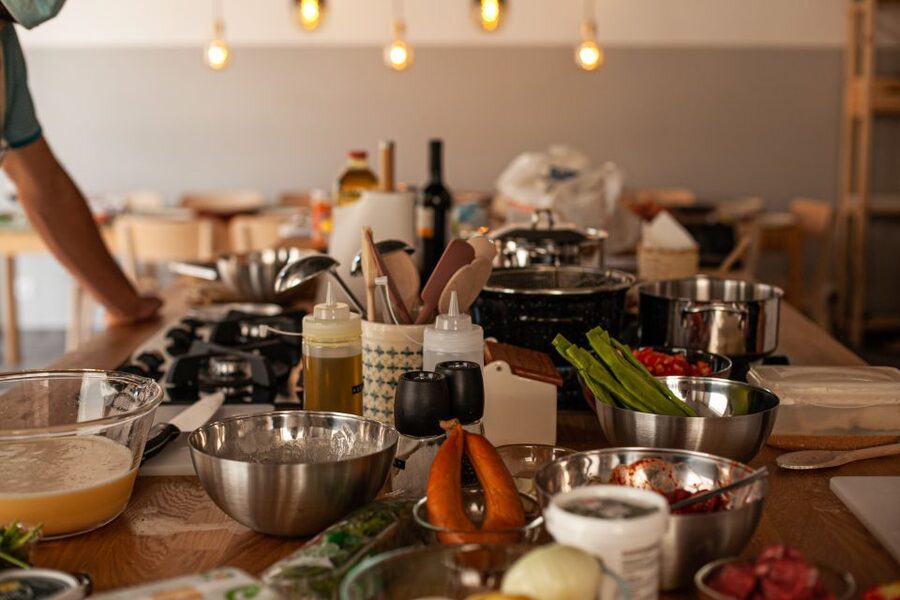
One reason this class stands out is the narrative. The chefs share stories that connect ingredients to traditions, family routines, and the everyday culture of Portugal. That is not a marketing line. It is how you end up tasting with more focus.
A good example is how olive oil shows up across Portuguese cooking. When you hear where the oil came from, or why a certain ingredient matters to a family, your palate starts picking up subtleties you might otherwise ignore. The same goes for cured meats and cheeses: their intensity makes more sense when you understand how they fit into local meals.
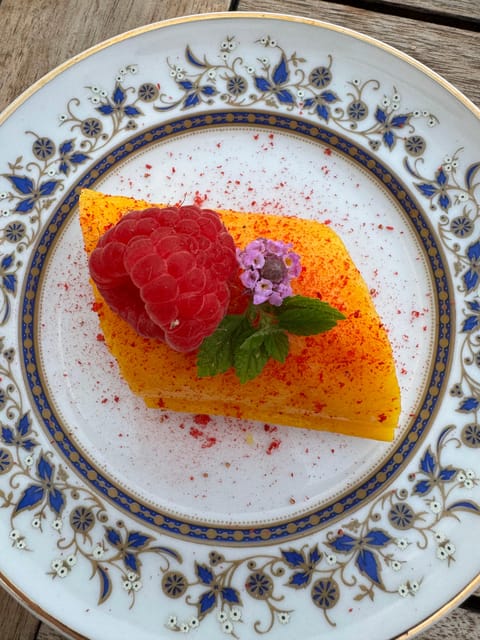
The desserts also get treated as part of the meal story. Instead of “we made something sweet because we can,” you usually get a reason for the approach, and how it balances the rest of the menu.
If you like travel where food leads the conversation, this “story” layer is one of the highest-value parts of the experience.
Seasonal Menus: Why You Should Not Expect the Exact Same Dishes Every Time

The class menu changes based on what is fresh, local, and seasonal. That is great for authenticity, but it means you should manage expectations if you are planning around a specific Portuguese dish.
In practical terms, this is a feature, not a bug. Seasonal menus keep the food aligned with what you can actually find during your visit, and they keep the cooking techniques relevant to current ingredients. You also avoid the feeling that every class is identical and designed for photos.
If you have allergies, this can be tricky. Food allergies are not suitable for the experience as stated, so you should not count on substitution. For other dietary restrictions, you will need to notify the operator at least 72 hours in advance. Vegetarian options are adaptable if you communicate early enough.
Group Size and Timing: The Real Comfort Factor
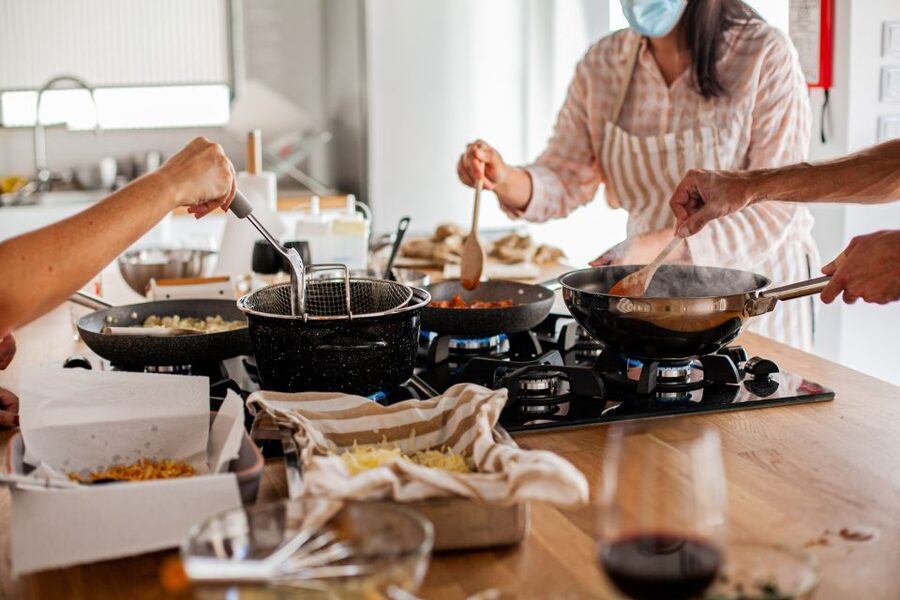
This class lasts 3 hours and is limited to 10 participants. That duration is long enough to feel like you did something meaningful, but short enough that you still have time for Lisbon afterward.
Small group also means your hands stay busy. When you are working alongside chefs, you learn faster, and you spend less time watching someone else handle the parts you want to try.
In terms of timing during your trip, a 3-hour cooking session fits nicely as either:
- an evening anchor on a lighter day, or
- a meal plan when you want something guaranteed and structured.
If you are the type who always ends up “too tired” to cook at home, you might even consider this as a skills-building night. You will get the method, and you can recreate it later without guesswork.
Price and Value Check: What $94 Gets You in Real Terms
$94 per person for a 3-hour, hands-on cooking class is not low. But it can be solid value depending on what you care about.
Here is where the cost starts to make sense:
- You cook a full meal, including starter, main course, and dessert.
- You get tastings of cheeses, chorizo, and Portuguese wine.
- You work with chefs who teach in small-group setting, capped at 10.
- The class includes both technique and story, which makes it more than just “food on a plate.”
If your Lisbon plan already includes paid cooking experiences, food tours can feel repetitive. This one is different because you are not just tasting, you are cooking. And because people repeatedly praise the quality of ingredients, and the chefs’ ability to teach even when you are not an expert, the “skill you take home” part becomes part of the value.
Also, one write-up specifically mentions unlimited wine. You should not assume every session works the same way, but you can take it as a sign that wine is not an afterthought here.
Who This Cooking Class Suits Best (And Who Should Skip It)
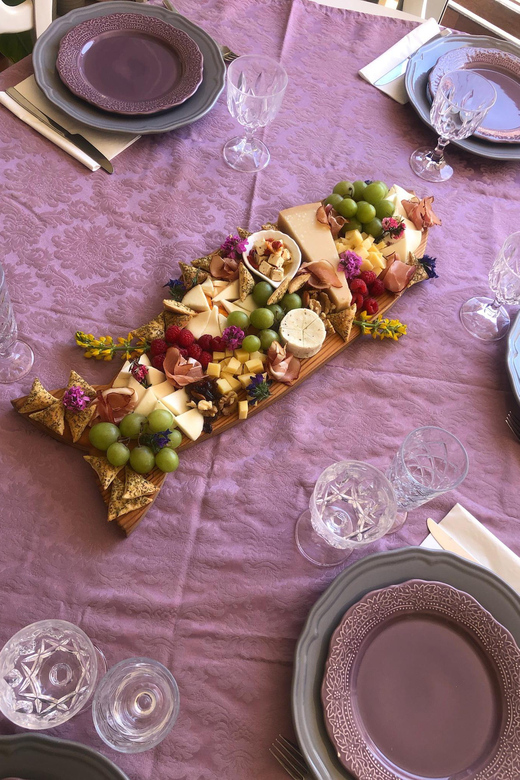
This class is a good match if you want hands-on Portuguese cooking and you enjoy learning the story behind food. It is also great for couples and small groups who like shared activities and conversation.
You might especially enjoy it if:
- you consider yourself a beginner or intermediate cook and want guided steps
- you like food experiences with personality, not stiff formality
- you want a structured evening meal plan that still feels local
But it is not a fit if you:
- need wheelchair access (not suitable)
- need vegan meals (not suitable as stated)
- have food allergies (not suitable)
- are traveling with children under 8 (not suitable)
It also has rules around pets and includes a prohibition on alcohol and drugs, so it stays family-responsible in setting even though it includes wine.
If you have dietary restrictions, email or message the operator at least 72 hours in advance. For vegetarian diners, the menu can be adapted with that same lead time.
Practical Tips So You Get the Most Out of Your 3-hour Session
A cooking class is only as fun as your comfort level. A few practical moves help you enjoy it more:
- Wear comfortable clothes and shoes. You are in a kitchen setting with stairs at the meeting point.
- Come hungry but not starving. You will taste cheeses, chorizo, and wine before cooking, then you eat what you make.
- If you have any dietary needs besides vegetarian, communicate early. The 72-hour timeline is there for a reason.
- Be ready to ask questions. People consistently praise the chefs for being funny and helpful, and that usually means conversation is welcome.
- If you drink wine, take it slow. Enjoying the pairing is part of the experience, but pace matters over 3 hours.
Finally, keep a small notebook or notes app ready. Even if you only remember a technique or two, writing them down during the session makes the “learned something” feeling stick.
Should You Book This Lisbon Cooking Class?
I would book it if you want an evening that combines real cooking with Portuguese flavors and story. The hands-on format, small-group cap of 10, and a full meal of starter, main, and dessert make it feel like you actually participated, not just bought a ticket to watch.
Book with extra caution only if you fall into one of the stated non-fit categories: wheelchair users, vegans, people with food allergies, or children under 8. If you are vegetarian, plan ahead and give the required notice so the menu can be adapted.
If you are on the fence about whether $94 is worth it, ask yourself what you want from Lisbon. If you want a memorable food night you can talk about for years, and you like learning techniques you can recreate, this is the kind of class that earns its price.
Newly reviewed in Lisbon
- Lisbon Hills secrets, soul and insights all in 1 TukTuk ride★ 5.0 · 55 reviews
- 4-hour Tuk Tuk Tour of Belém, City Center, and Lisbon’s Old Town★ 5.0 · 7 reviews
- 4 Hours Private Sailing Trip to Oeiras Beach★ 5.0 · 52 reviews
- Private tour Portugal 4 days from Lisbon★ 4.5 · 3 reviews
- Nazare,Obidos, and Batalha Monastery Private Tour★ 5.0 · 3 reviews
- 4 Hours Private Tuk Tuk Tour in Lisbon★ 5.0 · 15 reviews
- 3 Hours Private Tour of Lisbon’s Historic Center by Tuk Tuk★ 5.0 · 17 reviews
- 4-Day South Portugal Tour from Lisbon: Lagos, Algarve Coast, Sagres, Évora, Beja and Setúbal★ 3.5 · 8 reviews
Cooking Classes, compared.


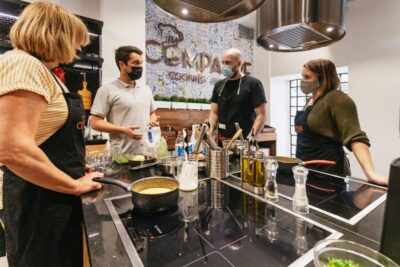
Lisbon Portuguese Cooking Class with 3-Course Dinner
Read our review →
Traditional Portuguese Cooking Class in Lisbon
Read our review →

Browse the lists this tour appears in