
Reviewed · COOKING CLASSES
Traditional Portuguese Cooking Class in Lisbon
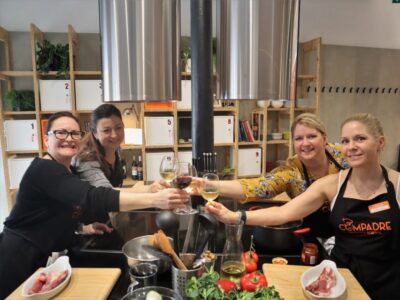
If you want a Lisbon food experience that feels social, structured, and actually useful in your own kitchen, this traditional Portuguese cooking class is a great choice. I like that you cook a 4-course meal step-by-step with a small group, and I like that drinks, finger food, and Portuguese wines and beers are part of the experience. One thing to keep in mind, though: it is a laid-back kitchen, so if you want total control like a professional pass, the family-style pace may not feel strict enough.
You can also expect a range of instructors, with names like Miguel, Pedro, Beatriz, Teresa, and Rita showing up in people’s feedback. And yes, you will make Pastel de Nata, using pre-prepared puff pastry so you spend your energy on the learning instead of the dough.
Key points that make this class stand out
- Small group (max 10) means you get real attention, not just a quick tour of a hot station.
- 4-course traditional menu teaches how different Portuguese flavors connect across starters, mains, and desserts.
- Pastel de Nata hands-on with pre-prepared pastry, so you learn the technique without getting stuck in dough work.
- Portuguese wine and beer included, plus non-alcoholic drinks, finger foods, and a steady flow during cooking.
- Seasonal menu changes, so what you cook reflects the time of year, not a frozen, always-the-same script.
What You’re Really Buying With This Lisbon Cooking Class
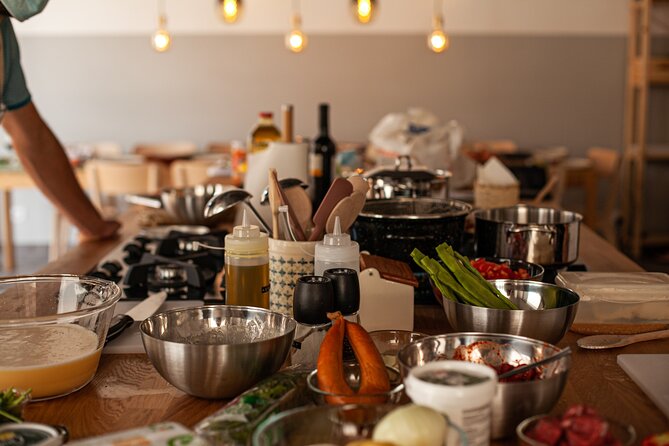
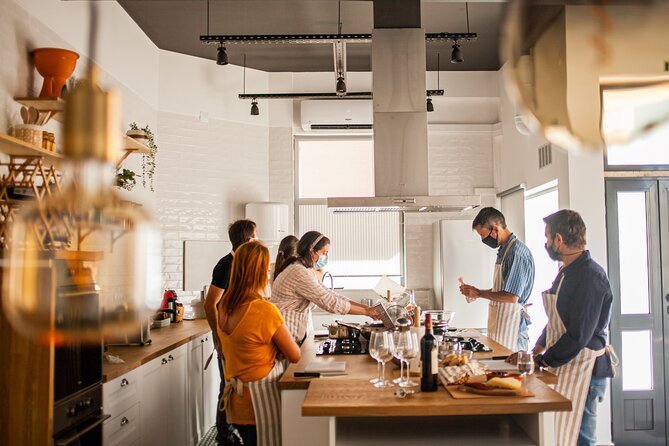
This is not a sit-down tasting where someone else does the work. You show up, get fed a little while you learn, then roll up your sleeves and cook alongside your group. The whole experience runs about 3 hours, and it ends back at the meeting point.
The value is in the combination. You get instruction that is meant for non-chefs. You also get a complete 4-course spread, not just one dish and a snack. And you get drinks included, which matters in Lisbon because meals can add up fast when you add wine.
Another practical win is the group size. With a maximum of 10, your instructor can actually notice if you are chopping too big, salting too late, or skipping the step that makes the sauce come together. That focus is why the class feels relaxed instead of chaotic.
Possible drawback: the cooking is team-based. You will get tasks across the menu, and you will not run the whole show from start to finish. For most people, that is part of the fun. If you are the sort who wants every step fully controlled, you might feel a bit limited.
More cooking classes in Lisbon:
- Lisbon: Pastel de Nata Baking Class
★ 4.9 · 2,106 reviews - Lisbon: Traditional Portuguese Cooking Class
★ 4.9 · 592 reviews - Lisbon: 2-Hour Pastel de Nata Cooking Class
★ 4.8 · 461 reviews
Your 4 Courses in Plain Portuguese Terms (And What You’ll Learn)

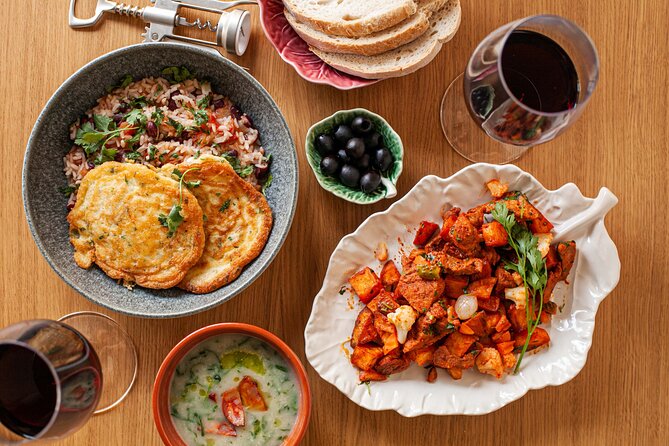
The menu changes seasonally, but the sample spread gives you a very clear idea of the style. Expect the heart of Portuguese cooking: hearty flavors, seafood and salt cod, clever sauces, and desserts that are not shy about sweetness.
Here’s how the dishes typically teach you key skills.
Starters that set the tone: caldo verde, pica-pau, and Bulhão Pato clams
You start with something warm and comforting like caldo-verde (often cabbage-based, usually with olive oil and garlic flavor that hugs you). It teaches balance, especially how seasoning and simmer time turn simple ingredients into comfort.
You might also cook pica-pau, which is commonly made with pork and served in a rich, peppery style. This is a good lesson in how Portuguese cooking leans into bold seasoning and texture.
If you get Amêijoa à Bulhão Pato, you are looking at clams with a garlicky, herby sauce style. The takeaway is how to build flavor without overcomplicating it, plus how fast seafood needs attention once it starts cooking.
Mains that show Lisbon’s two big loves: cod and pork
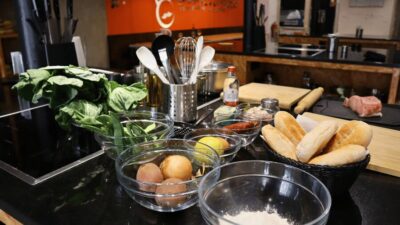
Portugal has a special relationship with salt cod, and this menu usually shows it twice. You might cook bacalhau à brás, where shredded cod gets woven with eggs and potatoes in a way that feels almost creamy without being heavy. You also might do pataniscas de bacalhau, cod fritters that teach how to get a golden crust while keeping the inside moist.
Then there’s the pork side. You could make carne de porco com amêijoas, pork with clams, which is all about mixing land and sea flavors in one bowl. You might also see migas com entrecosto, which centers on ribs plus migas (crumb mixture with sauce and seasoning). This one is a lesson in how Portuguese comfort food uses leftovers and pantry-friendly pieces to create something special.
A few other ways to do Lisbon
- Pastel de Nata Pastry Class: Bake and Enjoy Your Own Treats
★ 5.0 · 485 reviews - Lisbon Portuguese Cooking Class with 3-Course Dinner
★ 5.0 · 445 reviews - Lisbon: Azulejos’ Design Create Your Own Tile Workshop
★ 4.9 · 420 reviews - Lisbon: 1.5-Hour Surf Lesson
★ 4.8 · 257 reviews
Desserts: pastel de nata and two classics
Dessert is where the class often feels like a celebration. You will make Pastel de Nata with pre-prepared puff pastry, which keeps it manageable during a 3-hour class. You will still learn the key steps, like portioning and baking for that classic custard set and flaky base.
You may also make arroz doce (rice pudding) and torta de laranja (orange roll). These teach a different kind of Portuguese technique, gentle heat and timing, where you do not want to rush. If you’ve only had dessert in restaurants, this part helps you see how the flavor comes from patience, not magic.
Pastel de Nata: The Technique Lesson Hidden in Plain Sight
You are not expected to be a pastry wizard. Pastel de Nata is famous, but the class keeps it realistic by using pre-prepared puff pastry. That choice is not a shortcut. It is a smart way to focus on technique that you can reuse later.
What you’re learning is essentially three things:
- how the pastry behaves in the oven
- how the filling sets properly
- how to portion so each pastry bakes evenly
If you have ever bought pastel de nata and wondered why some taste better than others, the answer is usually in the bake and set. This class aims at that. Even if you cannot get identical results at home on your first try, you will understand what to adjust.
It also matters that you are making it in the middle of a real cooking flow, not as a last-minute add-on. That means you build confidence, then you can enjoy the finished desserts instead of rushing through them.
How the Class Runs in Real Life (Paced, Interactive, and Mostly Hands-On)
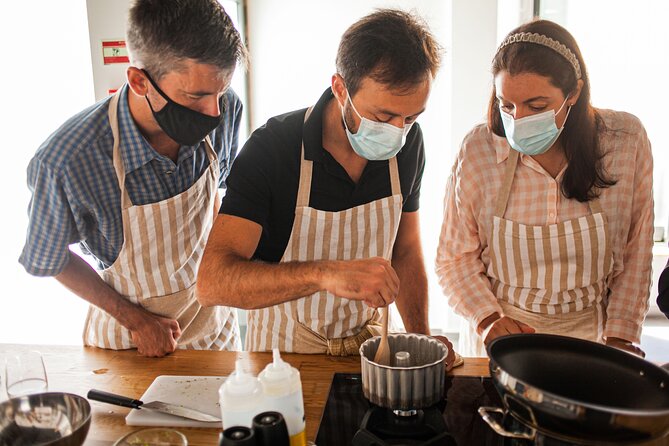
The teaching style is interactive but not intense. You get step-by-step guidance, and the instructor stays involved rather than just assigning jobs and walking away. You will typically prep, cook, and assemble parts of the meal across the group, which is why the kitchen can feel busy at first.
In practice, that family-style method hits two sweet spots:
- You do enough to feel ownership of the food.
- You do not get stuck with every single task alone.
One thing I’d watch for: if you are a more serious chef and you want a tight, quiet, professional rhythm, this setup can feel a bit lively, and sometimes loud if the class is running alongside another group in the same space. The payoff is that people feel comfortable participating, including solo cooks.
Also, you are not going to walk out empty. There are finger foods and beverages during the prep, so you are not waiting until the end like a hungry passenger in a bus station.
Drinks, Finger Foods, and the Lisbon Way of Eating Together
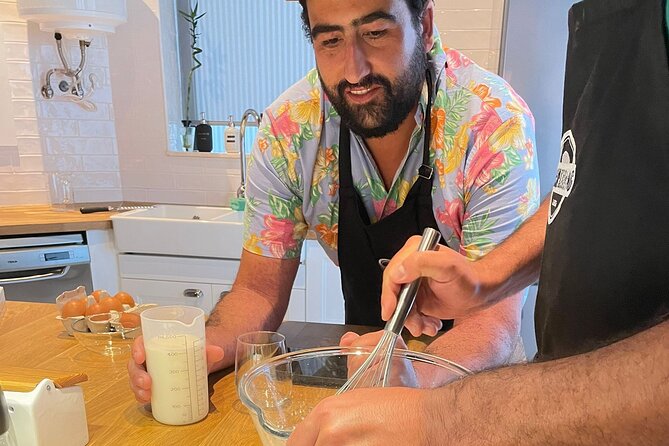
This class includes Portuguese wines and beers, plus other non-alcoholic drinks. The important rule is that alcohol is not served to participants under 18, and water, juices, or tea are available instead.
I like that this is handled clearly. You can enjoy the adult part of the experience if that’s your thing, and you still get a comfortable setup for everyone at the table.
The finger foods are not just an afterthought. They help you settle in, keep energy up during cooking, and add to the social vibe while you learn. It also means your meal feels like a proper event, not a worksheet with lunch at the end.
There is usually a lot of casual conversation as you work. That’s where you pick up practical pointers, like what kind of seasoning people use most often or how to time a pan so it finishes when the rest of the meal is ready.
Seasonal Menus: Why It Matters (And Why You Should Not Hunt for One Specific Dish)
Menus change seasonally. That is a good sign, not a vague marketing line.
It means you might not always get the exact same dishes from month to month. And it also means ingredients are fresher, more appropriate to the weather, and aligned with what Portuguese home cooks actually do during different parts of the year.
A key example from the program’s own thinking: you should not expect feijoada Transmontana, a beans and chorizo stew, to be the star in peak summer. That kind of dish is heavy and warm, so the menu logic makes sense.
So if you are planning your Lisbon food day with one dream dish in mind, do yourself a favor. Treat the class menu as a route through Portuguese flavors, not a guaranteed hit list.
Where You Meet (And How to Plan the Easy Route)
The meeting point is R. Aliança Operária 54, 1300-049 Lisboa. The activity ends back at the meeting point.
Also note this practical reality: the venue is near public transportation, but it is not in the thick of central Lisbon. In other words, plan for a short bus or taxi ride rather than a long, scenic walk from the most famous viewpoints.
For planning, I’d keep this simple:
- give yourself a little extra time to get there
- use public transport if you’re nearby
- take a taxi if you’re carrying bags or you want to save time
If you want minimal stress, arrive a bit early. One advantage of a well-run kitchen is that it can shift smoothly if people are late, but you still want to be on time so you can get the full start.
Price and Value: Is $102.84 Worth It?
At $102.84 per person for about 3 hours, this class is priced like a serious food experience, not a casual cooking demo.
Where the money goes, based on what’s included:
- hands-on instruction from the kitchen team
- multiple courses cooked by the group
- Pastel de Nata made during the class
- finger foods and beverages throughout
- Portuguese wines and beers included
- non-alcoholic options if needed
The best way to judge value is to compare it to doing all parts separately. If you tried to replicate this day on your own, you’d pay for ingredients, kitchen tools access, and a guide who can tell you what matters. Here, you get the structure and the coaching in one package.
For solo diners, this can also feel like a strong deal, because the class is designed to be interactive and social, with plenty of chances to participate. For couples and friends, you get a shared activity that ends in a meal you cooked together.
Who Should Book This Class (And Who Might Skip It)
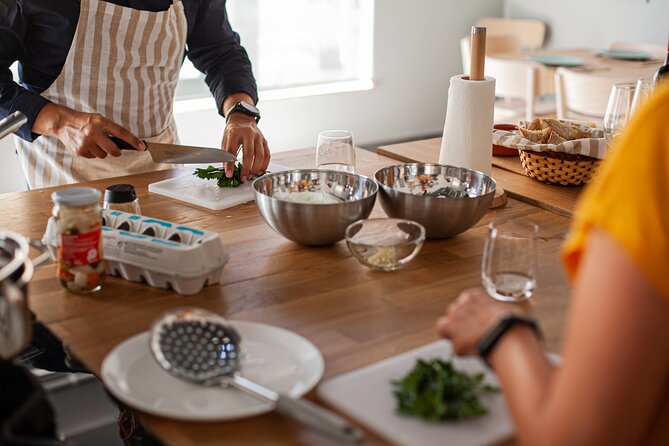
This class is a great fit if:
- you want an easy entry point into Portuguese home cooking
- you enjoy hands-on learning more than museum-style listening
- you want a full meal, not a snack-and-scroll experience
- you like the idea of cooking cod and pork while learning sauce and timing
It may be less ideal if:
- you want a quiet, ultra-precise cooking lab
- you expect to personally cook every dish start to finish
- you prefer very advanced techniques with no team pacing
Also consider group dynamics. The max size is 10, and it’s family-friendly in practice, but the vibe is still active. Expect motion, talking, and a kitchen that feels like a meal happening, not a staged photo set.
Quick Practical Tips Before You Go
A few small choices can make your experience smoother.
- Wear something you can stand in for a while. Kitchens are warmer than you think.
- Come hungry, but not starving. Finger foods and beverages start during the process, so you want to arrive ready to taste and cook.
- If alcohol is not for you, you still get water, juices, or tea and you can focus fully on the food.
- Ask the instructor how to replicate what you made. The best learning is the kind you can repeat.
And if you love Lisbon for its flavors, this is the kind of class that gives you more than a meal. It gives you a set of Portuguese cooking instincts, the why behind seasoning, and the timing that makes cod, eggs, and custard behave.
Should You Book This Lisbon Cooking Class?
I think you should book it if you want a hands-on, structured, and social way to learn Portuguese cooking in one sitting. The small group size, the included drinks, and the fact that you cook a full 4-course menu add up to real value for the time.
Skip it if your top priority is a super serious, ultra-technical cooking boot camp. This is more about learning the classic dishes in a friendly rhythm, with enough coaching to make you feel capable by the end.
If you’re aiming for a day you’ll remember for the food you made, plus the practical tips you can use later, this is a strong bet.
FAQ
How long is the Traditional Portuguese Cooking Class in Lisbon?
It runs for about 3 hours.
What is the price per person?
The price is $102.84 per person.
Is the class offered in English?
Yes, the class is offered in English.
Is there a choice of class time?
Yes, you can choose a morning or an evening class time.
How big is the group?
The experience has a maximum of 10 travelers.
What food will I cook during the class?
You will learn to prepare a 4-course traditional Portuguese meal. You may also prepare and bake Pastel de Nata.
Is Pastel de Nata included, and do I make the pastry from scratch?
Pastel de Nata is included, and the puff pastry is pre-prepared.
Are drinks included, and is alcohol included?
Portuguese wines and beers are included. Water, juices, and tea are available too. Alcohol is not served to participants under 18.
Where does the class start, and do I return there?
It starts at R. Aliança Operária 54, 1300-049 Lisboa, and it ends back at the same meeting point.
What if the weather is bad?
This experience requires good weather. If it is canceled due to poor weather, you will be offered a different date or a full refund.
Can I cancel for a full refund?
Yes. You can cancel up to 24 hours in advance for a full refund.
Newly reviewed in Lisbon
- Lisbon: Private Food Tour – 10 Tastings with Locals★ 4.8 · 73 reviews
- Lisbon: Private Custom Tour with a Local Guide★ 5.0 · 6 reviews
- Lisbon: 2 hours Private City Highlights Tuk-Tuk Tour for two★ 5.0 · 5 reviews
- Lisbon: City Sightseeing Tour★ 4.9 · 13 reviews
- Lisbon: Private Christmas Lights Tour by Eco Tuk Tuk★ 4.9 · 51 reviews
- Lisbon: Private Catamaran Charter for up to 18-People★ 5.0 · 7 reviews
- Lisbon: Private Boutique Boat Tour – Sail in Style★ 5.0 · 87 reviews
- Lisbon: Private Boat Trip, Guided Walking Tour, Bike & Tram★ 4.8 · 116 reviews
Cooking Classes, compared.


Lisbon Portuguese Cooking Class with 3-Course Dinner
Read our review →

Portuguese street food cooking class with Drinks
Read our review →Browse the lists this tour appears in