
Reviewed · TILE PAINTING WORKSHOPS
Lisbon: National Tile Museum Entry Ticket
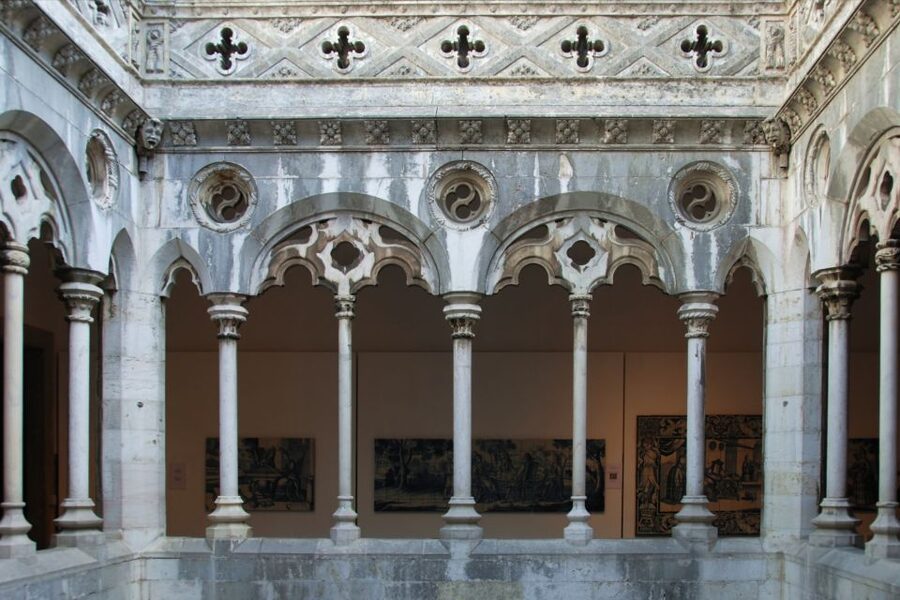
The National Tile Museum in Lisbon is interesting because it treats azulejos like a whole language. You walk through centuries of tile making and styles, and the setting helps too: it is housed in the former Convent of Madre Deus, founded by Queen D. Leonor in 1509.
I love two things most: the chronological route that makes the changes in design feel understandable, and the fact that you are not only looking at tiles, you are seeing them integrated into church art, cloisters, and chapel decoration. One possible drawback is comfort. Some indoor rooms can feel warm, so bring water and plan to wear something breathable.
The price is also refreshingly reasonable for the amount of art and architecture you get in one stop. I’d pair this with a nearby outing like the Lisbon Aquarium if you want a full but not exhausting day.
Key highlights you should know before you go
- A convent built by Queen D. Leonor (1509) gives the museum a real historical stage, not just white walls.
- A chronological exhibition route helps you connect Portuguese tile styles with time periods and changing tastes.
- Tile and painting meet in the church and chapels, including dramatic interior decoration.
- Manufacturing techniques are explained first, so the tiles make more sense as objects, not only decoration.
- On-site cafe and garden seating make it easy to break up the visit.
- Audio options exist, and some people use an app with headphones if you want more detail.
Why Portugal’s azulejos hit harder than you expect
Portuguese tiles are often described as pretty, and yes, many are gorgeous. But at the National Tile Museum, you see how azulejos are also communication. They reflect how Portugal wanted to tell stories, teach people, mark power, and decorate everyday life, all through ceramic craft.
What surprised me is how quickly the museum turns from “art you like” into “art you can read.” The walk starts with materials and techniques, so you understand why a surface looks a certain way, why patterns repeat, and how decorative styles evolve. Then the exhibits move forward in time, so you’re not just viewing a random collection.
The building itself adds weight. This museum lives inside the former Convent of Madre Deus, with parts that evolved over campaigns through the centuries. That means your tile experience is layered with architecture, religious art, and painted interiors, not just display cases.
More azulejo tile workshops:
- Lisbon: Azulejos’ Design Create Your Own Tile Workshop
★ 4.9 · 420 reviews - Arrabida Wine Tour from Lisbon: Wineries, Tastings & Tile Factory
★ 5.0 · 154 reviews - Lisbon: National Tile Museum E-Ticket & Audio Guide
★ 4.3 · 121 reviews
Arriving and entering the Convento Madre Deus complex
Your day starts at the main entrance, where you show your ticket on arrival. This is a straightforward entry experience. It is described as an entry ticket, not a guaranteed skip-the-line product, so you should assume there may be some waiting at busy times.
The upside is that once you’re in, you get more than a standard museum layout. The convent setting keeps things feeling grounded in place. Even before you reach the biggest galleries, you get the sense you’re walking through historic spaces that were originally built for community, worship, and daily routine.
If you’re planning a tight itinerary, build in a little extra time for orientation. The museum is not just one room of tiles. Expect a route that moves through exhibition areas and major interior spaces (including church sections and chapels).
The permanent exhibition: how the museum’s timeline is organized
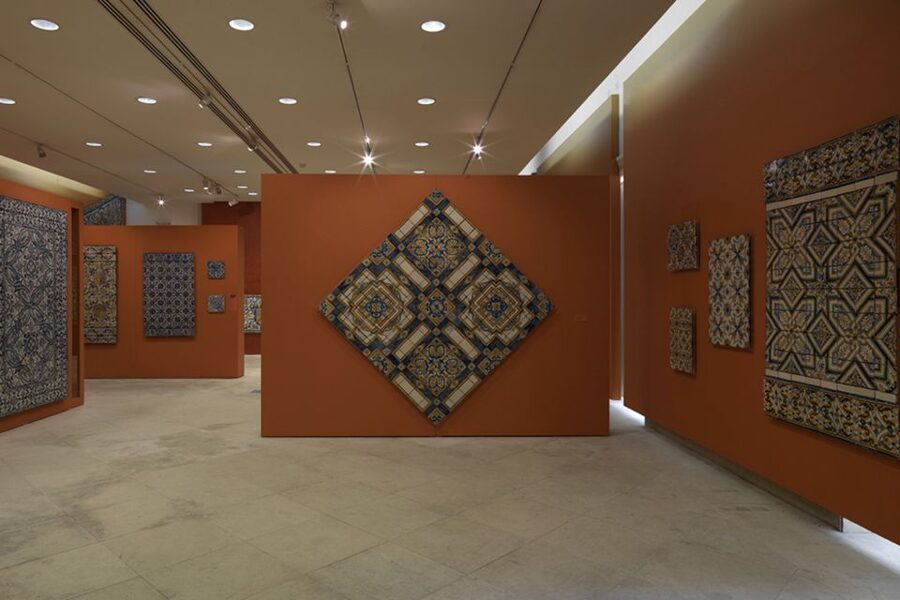
One of the strongest reasons this ticket is good value is the way the permanent exhibition is staged. It begins with a display of materials and techniques used to make tiles. That intro matters. If you’ve ever wondered why tiles have certain finishes, why colors behave the way they do, or how repetition is achieved, this section gives you the vocabulary to actually look.
After that, the route runs chronological. You start with early examples and move forward into later eras. The museum focuses on tiles from the second half of the 15th century to the present day, and it also includes ceramics, porcelain, and faience from the 17th through the 21st centuries.
Here’s the practical benefit for you: a timeline reduces decision fatigue. Instead of “pick what to look at,” you can follow the flow. You’ll naturally notice how patterns, subjects, and decorative styles change as you move through rooms.
What to notice as you walk
Keep your eyes on details that tell you what period you’re in. Look for:
- How patterns are composed, especially the balance between ornament and scenes
- Shifts in color palettes and how backgrounds are treated
- Differences between tile panels that look more schematic versus those that act like pictures
This is also where your camera can earn its keep. Many rooms are made for slow looking, not quick photos.
A few other ways to do Lisbon
- Lisbon: Luz Stadium Tour & SL Benfica Museum Ticket w/Scarf
★ 4.7 · 3,264 reviews - Lisbon: Banksy Museum Permanent Exhibition Entry Ticket
★ 4.7 · 506 reviews - Lisbon: Belem, Jeronimos Monastery, and Coach Museum Tour
★ 4.8 · 478 reviews - Lisbon: MAAT Gallery and MAAT Central Entry Tickets
★ 4.1 · 422 reviews
From tiles to ceramics, porcelain, and faience
The museum doesn’t treat tiles like the only star. Along the route, you’ll also see other ceramic traditions, including porcelain and faience from later centuries. That helps you connect Portuguese tile design to broader material culture.
For you, this is a good thing even if you think you only came for azulejos. Tiles didn’t appear in a vacuum. They share techniques, tastes, and production logic with other ceramics. Seeing that bigger picture makes the tile evolution feel less random.
If you enjoy learning by comparison, this part is especially satisfying. Tiles might grab your attention first, but the ceramics section can deepen the experience, because it shows how decoration and function travel across media.
The church, sacristy, and the convent’s painted interiors
What makes this museum stand out in Lisbon is that it doesn’t stop at tile walls. It folds azulejos into sacred interiors. The convent buildings you explore include the church and other key spaces, many decorated with remarkable sets of paintings and tiles.
As you move through:
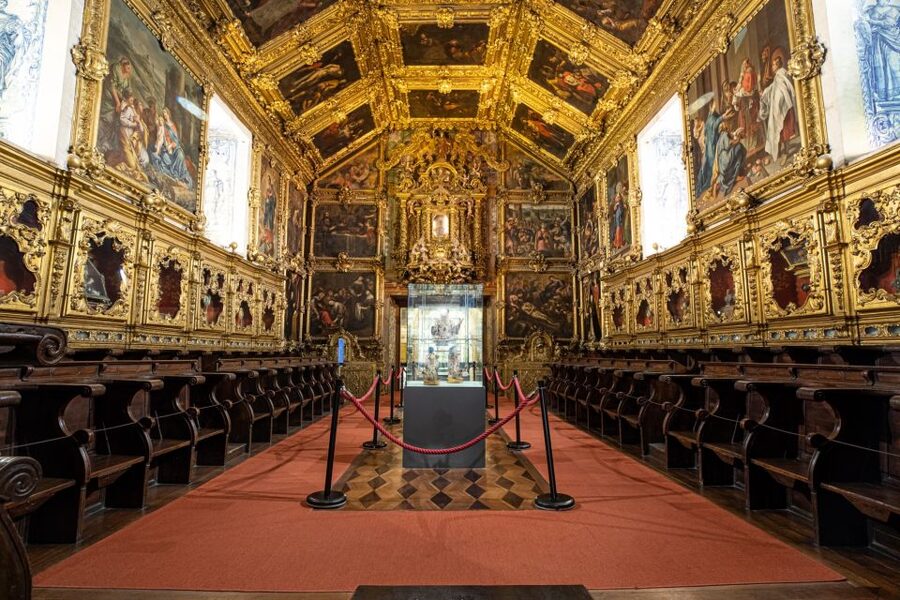
- You’ll see a church decorated with paintings and tiles, giving you a sense of how imagery worked in worship spaces.
- The sacristy includes a Brazilian wood display cabinet and carved wood frames with paintings. This is one of those details that feels like a secret ingredient. It mixes Portuguese craft with a wider, historical artistic footprint.
- There is a high choir with rich carved giltwood embellishments, which adds a different texture and scale to your visual experience. Tiles are flat and rhythmic, while wood carvings add depth and weight.
I like this blend because it prevents tile fatigue. If you are the type who can stare at patterns for hours, you’ll love the tiles. If you get tired of repeated motifs, the architecture and artwork give your eyes a new job.
A note on pacing
Plan to slow down in the interiors. This is where you’ll likely spend extra time, especially if you like religious art, decorative woodwork, and painted ceilings. If you try to sprint, you’ll miss how the spaces are composed.
The Chapel of Saint Anthony and André Gonçalves canvases
One of the most specific and memorable parts of the museum experience is the Chapel of Saint Anthony. It features an 18th-century Baroque decoration, plus a significant number of canvases by the painter André Gonçalves.
This is a great stop for you if you like dramatic interior art. Baroque decoration is built for emotion and movement. When you pair that style with the visual language of tiled storytelling, the chapel becomes more than a room. It becomes a concentrated example of how Portuguese spaces used multiple art forms at once.
Again, the key value here is how integrated everything feels. Tiles aren’t an add-on. They are part of the overall interior design logic.
The Lisbon city display and what to do with extra time
Many people enjoy the top-floor experience focused on Lisbon city themes. The museum includes a Lisbon city display on an upper level, which can be a satisfying shift from historical development to place-based storytelling.
If you have extra time, give yourself a chance to loop back. The museum is arranged so that early sections build context for later ones. Even if you think you’ve seen enough, the second pass can help you connect what you just learned about techniques and timeline with what you’re now seeing in scene-based tile work.
Also, consider how you want your day to feel. If you came on a schedule, you can do a compact visit. If you came on a slower day, you’ll likely enjoy lingering where the tiles meet paintings and where the convent architecture frames the art.
Cafe, gardens, and taking a breather
One reason this museum works well as a standalone half-day or light full-day stop is that you can recharge on site. There is a cafe and it has a nice reputation, including an option for garden seating.
I recommend grabbing something before you settle in for the long interior parts. When you wait until you feel tired, the next line, the heat, or the crowd can take the fun out of it.
There are also mentions of gardens associated with the visit. Even if you don’t treat the outdoors as the main attraction, stepping out briefly can break up the concentration required for close tile viewing.
Price, opening hours, and timing that actually helps
The ticket price is $11 per person. For what you get, that is solid value, especially compared with art museums that only offer a few galleries. Here you are paying for a full route across multiple eras, plus historic interior spaces in a convent setting.
Opening hours are:
- Tuesday to Sunday: 10:00 to 13:00, and 14:00 to 18:00
- Last entry is at 17:30
It is closed on:
- January 1
- Easter Sunday
- May 1
- June 13
- December 25
Because your ticket is valid for 1 day, and starting times depend on availability, pick your entry time with your day in mind. If you plan to combine it with another nearby stop, an earlier entry often makes the rest of your afternoon feel easier.
If you are visiting on a busy day, don’t try to stack too many timed attractions back-to-back. This museum rewards walking pace, not rushing.
What to bring and how to prepare for a comfortable visit
Bring:
- Passport or ID card
- Comfortable shoes
- Camera
- Water
- Comfortable clothes
That last item matters more than you’d think. Even though the museum is indoors, you can still feel the effects of Lisbon warmth depending on the rooms. Comfortable clothes and water help you focus on the art instead of your body.
If you like extra context, there may be an audio option available on site. One common setup people use involves downloading an app and using headphones. If you enjoy that kind of guided detail, bring your own headphones or plan how you’ll handle the audio.
Who this museum is perfect for, and who should think twice
This is a smart choice if you:
- Want a deep, readable story about Portuguese art using a single visual theme
- Like history that you can see, not just read
- Enjoy interiors, church decoration, and convent architecture
It’s also great for rainy days. The museum is built for indoor time, and you can spend your whole visit under cover.
You might think twice if:
- You only have a very short time window and hate self-paced museum wandering
- You dislike decorative art and prefer modern or purely contemporary work, because much of the pull here is the azulejo tradition and historic interior decoration
Should you book the Lisbon National Tile Museum ticket?
Yes, I’d book it if you want one efficient Lisbon stop that mixes Portuguese tile history with real historic architecture. For about $11, you’re getting a full exhibition route plus multiple major interior spaces, including the church and Chapel of Saint Anthony with André Gonçalves canvases.
If you’re on the fence because you think a tile museum sounds too niche, consider this your practical challenge. The museum format is designed to help you understand what you’re seeing, and the convent setting keeps the experience from feeling repetitive.
Just go in with the right expectations: this is slow looking art. If you give it 1 day with comfortable shoes and a calm pace, you’ll likely leave with a new appreciation for azulejos as something far bigger than decoration.
FAQ
What is the ticket price for the National Tile Museum in Lisbon?
The National Tile Museum entry ticket is priced at $11 per person.
What are the opening hours and the last entry time?
The museum is open Tuesday to Sunday from 10:00 to 13:00 and 14:00 to 18:00. Last entry is at 17:30.
What days is the museum closed?
It is closed on January 1, Easter Sunday, May 1, June 13, and December 25.
How long is the ticket valid, and do I get to choose a time?
The ticket is valid for 1 day. You should check availability to see starting times.
Do I need to bring an ID or passport?
Yes, you should bring a passport or ID card.
Is this a skip-the-line entry ticket?
This is not listed as a skip-the-line entry ticket. You should expect to show your ticket on arrival at the main entrance.
Where do I show my ticket when I arrive?
Enter the National Tile Museum at the main entrance and show your ticket on arrival.
Is the museum wheelchair accessible?
Yes, the museum is wheelchair accessible.
Is the ticket refundable if I cancel?
No, the activity is non-refundable.
Newly reviewed in Lisbon
- Lisbon: Private Food Tour – 10 Tastings with Locals★ 4.8 · 73 reviews
- Lisbon: 2 hours Private City Highlights Tuk-Tuk Tour for two★ 5.0 · 5 reviews
- Lisbon: Private Custom Tour with a Local Guide★ 5.0 · 6 reviews
- Lisbon: City Sightseeing Tour★ 4.9 · 13 reviews
- Lisbon: Private Christmas Lights Tour by Eco Tuk Tuk★ 4.9 · 51 reviews
- Lisbon: Private Catamaran Charter for up to 18-People★ 5.0 · 7 reviews
- Lisbon: Private Boutique Boat Tour – Sail in Style★ 5.0 · 87 reviews
- Lisbon: Private Boat Trip, Guided Walking Tour, Bike & Tram★ 4.8 · 116 reviews
Tile Painting Workshops, compared.


Arrabida Wine Tour from Lisbon: Wineries, Tastings & Tile Factory
Read our review →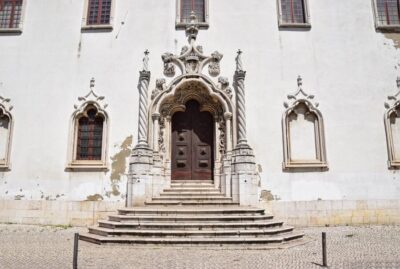
Browse the lists this tour appears in