
Reviewed · HISTORICAL TOURS
Lisbon: Jewish History Tour of Lisbon
This Lisbon Jewish History Tour is interesting because it turns the city into a timeline. You start at Praça do Comércio and follow the story through Alfama and Baixa, then the guide ties it to the WWII years too.
I love two things most. First, the tour uses the walk’s opening stop at Praça do Comércio to set a big narrative hook, linking the city to the Exodus story. Second, I like how you get place-based context, especially in Alfama, where medieval segregation shaped Jewish life street by street, not just in textbooks.
One drawback to plan for: there are few physical remains of Lisbon’s medieval Jewish community to point at. You will still learn plenty, but a lot of the experience is guided explanation and careful historical context, not old artifacts everywhere.
Key points before you go
- Private 3-hour guided format: small-group feel, with time for questions and a slower, street-level pace
- Praça do Comércio meeting point: look under the big triumph arch, guide in an orange backpack or a Lisbon Walker tote
- Alfama and the medieval segregation story: you learn how neighborhood design mirrored inequality
- Baixa forced conversions and Rossio moments: the tour connects conversion pressure to specific parts of town
- WWII refugee passage in the 1940s: the story does not stop at medieval Lisbon
- Guides like Jose and Filipa make it work: when artifacts are scarce, their storytelling carries the day
Getting oriented at Praça do Comércio and the Exodus framing
The tour kicks off at Praça do Comércio, right under the big triumph arch area. This is a smart start because the square feels like Lisbon’s formal front door, open and cinematic, right by the riverfront atmosphere. The guide then anchors the story with the idea that this is the starting point for the Exodus narrative, so you get a clear sense of what you are looking for as you walk.
From there, you pass key central landmarks on foot, including Praça do Município and Rua do Comércio. These streets help you understand how the old city’s “main routes” likely mattered for movement, trade, and access, including for Jewish communities and later for people affected by persecution.
A practical tip: wear comfortable shoes. This is not a “step outside and take a picture” tour. It is a walking history tour, and you will want your feet to stay happy for the full route.
A few other ways to do Lisbon
- Lisbon: History, Stories and Lifestyle Walking Tour
★ 4.8 · 10,902 reviews - Lisbon: Live Fado Show with Port Wine in Historic Center
★ 4.7 · 4,166 reviews - Lisbon: Fado Show with Wine in a Historic Venue
★ 4.8 · 1,294 reviews
From Rua do Comércio to Casa dos Bicos: learning forced conversions by place
As you work your way through Baixa-adjacent streets, the tour shifts toward what happened when Jewish life was squeezed by law and pressure. The forced conversions chapter is not handled as a vague moral lesson. The guide ties it to where you are standing and what the city looked like for ordinary people navigating new rules.
One stop that helps with this is Casa dos Bicos. Its distinctive shape makes it easy to remember, and that matters when you are connecting architecture to social history. The guide uses spots like this to explain how power showed up in buildings, street layouts, and who had access to safety.
The Baixa District focus is valuable for one simple reason: it helps you understand that conversion was not only spiritual or private. It was also public and geographic. When the guide talks about forced conversions here, you start to see the city as a system that could control your identity, where you lived, and how you moved through markets and public squares.
If you are the kind of traveler who wants stories with a spine, this is a good section. The narrative has momentum because each stop pushes the “what changed, and where” question forward.
Alfama Jewish quarter on foot: medieval segregation you can sense
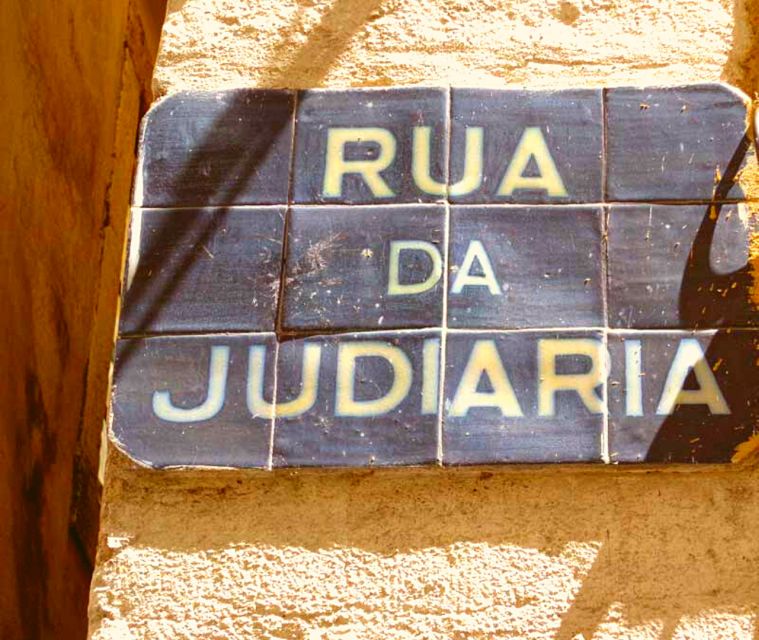
Then the tour heads into Alfama and the castle-hill zone feel. This is where the walk becomes more about atmosphere and street geometry than about monuments. Alfama is a hillside maze, and that matters. When the guide talks about medieval segregation, you will feel how lived reality can be shaped by where people were allowed to be, and who controlled movement through the city.
You are also guided through the medieval Jewish quarter story, including the reality of segregation. This is one of the tour’s biggest strengths because it avoids an “instant museum” approach. Instead of telling you that communities were separated, the guide points out how the neighborhood’s structure supported that separation.
I particularly liked that the guide names historical figures and connects them to Portuguese culture, science, and even gastronomy. That is more than trivia. It gives context for the idea that Jewish presence shaped Portugal in ways that can still echo today, even when evidence is hard to find.
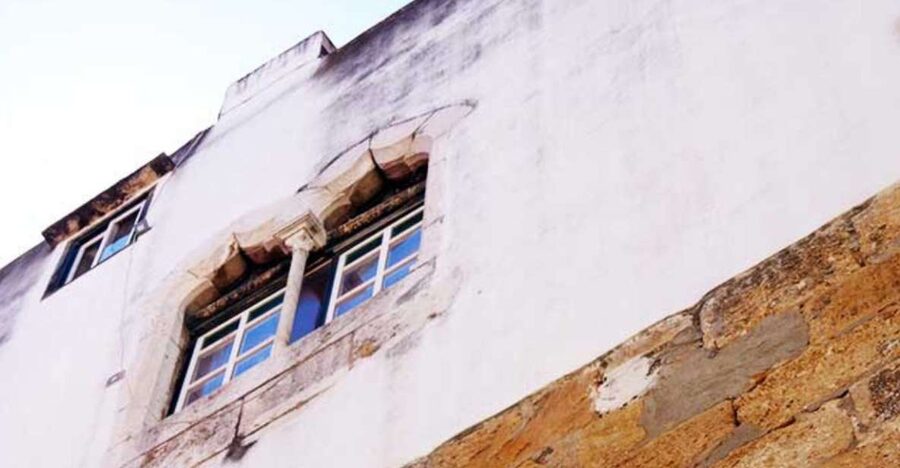
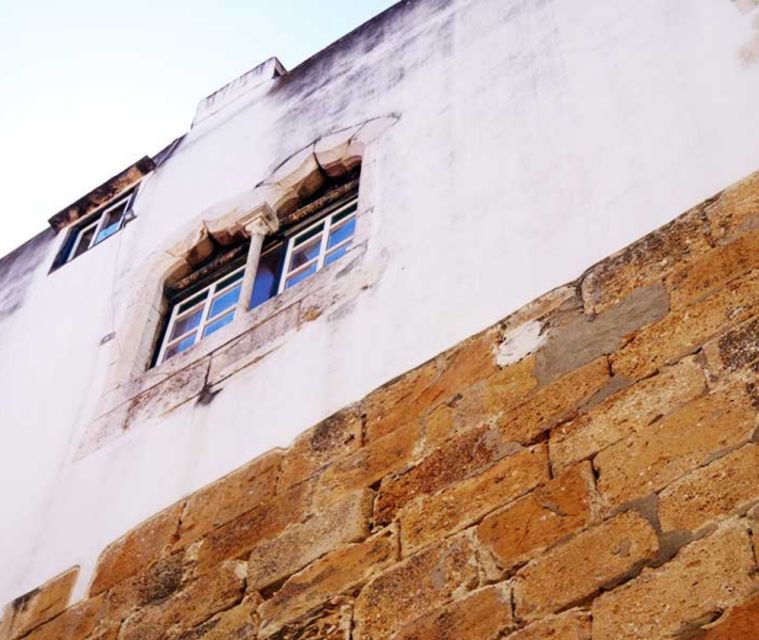
One honest consideration: if you are expecting a lot of visible synagogues, tombstones, or preserved medieval Jewish buildings, you might feel a little frustrated. The tour handles this by focusing on place-based explanation, so you still walk away with understanding, even if you cannot “see it all.”
Rossio and the 1506 Pessah massacre: what the guide makes visible
Rossio is a strong end-of-day anchor because it is central and historically charged. In this part of the walk, the guide discusses Rossio and the 1506 Pessah massacre. The key value here is that the tour connects a specific event to the public spaces where ordinary people would have lived, traveled, and gathered.
Now, a reality check: Lisbon does not offer many physical reminders of the medieval Jewish community in the way some other European cities do. More than once, the guide’s approach is basically: even when stones are gone, the city’s pattern still tells you where to look mentally.
This is also a moment where some guides bring in additional layers. Based on what people have experienced on similar departures, you might get detours to see hidden Roman remains and churches. That helps break the “all Jewish all the time” feeling, and it can make the city feel older and more textured as you link centuries together.
If you enjoy history that includes tragedy and power, this is the section you will likely remember most. If you are newer to this topic, it may feel intense, but the guide’s job is to keep it understandable.
Another side of Lisbon for the same trip:
- Lisbon City Center Tour – The Unmissable Lisbon
★ 5.0 · 22,234 reviews - Lisbon: Sintra, Pena, Regaleira, Cabo da Roca & Cascais
★ 4.7 · 19,656 reviews - Lisbon: Jerónimos Monastery Entrance Ticket
★ 4.1 · 14,164 reviews - Lisbon: Sunset Boat Party Cruise with DJ and Open Bar
★ 4.5 · 10,378 reviews
Ribeira, the Resistance museum, and the WWII refugee chapter
One of the most meaningful shifts on the tour is the jump from medieval Lisbon to the modern story, including WWII refugee passage in the 1940s. That time jump matters because it stops the experience from becoming only a story of loss. Instead, it shows how Lisbon stayed relevant as a place of movement, survival, and escape.
Ribeira adds sensory context here. The river-adjacent feel helps you understand why a city like Lisbon could become part of bigger European and Atlantic routes. When the guide discusses the Resistance museum stop, the focus stays on how Lisbon intersected with conflict and how people navigated danger.
This part is valuable even if you do not know much Jewish history going in. The guide sets up the idea of a world diaspora that spread from Lisbon across the Atlantic, to the Mediterranean area, Asia, and northern Europe. In practical terms, this helps you see Lisbon as a node in global history, not a closed-off chapter.
I also like that the tour does not treat the WWII story as a separate lecture. It is tied back to the broader theme: communities move, identities get pressured, and cities play roles that outlast individuals.
Mouraria and Praça da Figueira: making today’s streets part of the lesson
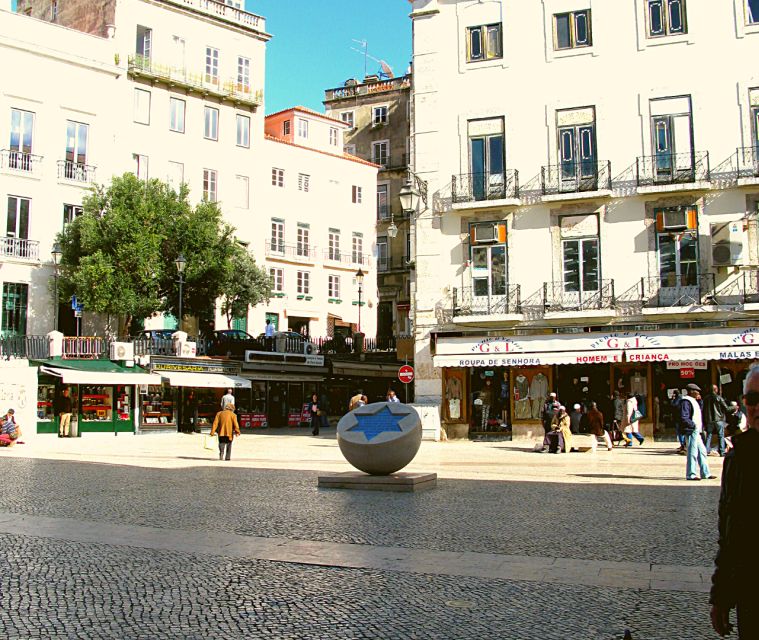
Mouraria and Praça da Figueira help you read Lisbon in the present while the guide keeps pulling you back into the past. This matters because a tour like this can otherwise become a set of isolated facts. Here, the guide uses today’s street feel to reinforce what you learned about medieval segregation, forced conversions, and later refuge.
Mouraria in particular is a place where you can sense layers. The guide uses it to connect the historic Jewish presence to the wider story of Portuguese life and to the ways different communities interacted over time.
Praça da Figueira is a good “reset square” in the route. By the time you reach it, you have already walked from riverfront to central streets and back into hillside neighborhoods. A stop like this makes the route feel livable, not just academically busy.
If you like tours where you can still look up and enjoy the city while learning, this is one of the better parts. You get the sense that the guide is teaching you how to see, not just where to stand.
Walking pace, private-group value, and who it fits best
This is a private group tour that lasts about 3 hours. That duration hits a sweet spot. You get enough time to connect multiple neighborhoods, including castle hill and Alfama, plus Baixa and the major squares tied to key Jewish-history events.
The price is $106 per person. For Lisbon, that is not “cheap,” but it also is not aiming to be luxury. The value comes from two things: a guided narrative that links places (not just a checklist), and the ability to ask questions and stay engaged the whole time.
Also, you are not stuck in a giant crowd. People in your group might vary in pace and interests, and private-group formats make it easier for the guide to adjust. Based on past experiences with guides on this kind of route, you may find the pacing stays reasonable even if you are not a fearless hill climber.
What you should plan for:
- Bring comfortable shoes.
- Expect a lot of walking through multiple districts.
- Accept that the tour relies heavily on explanation because physical artifacts are limited.
Language options are English and Portuguese, which helps if you want something more personalized or if your group includes Portuguese speakers. You also skip the ticket line, though the specific stops where that matters are not spelled out in the basics you get ahead of time.
Who this tour suits:
- You want a structured, place-based Jewish history of Lisbon, from medieval to WWII years.
- You like guides who can answer questions and keep a thread from one square to the next.
- You are okay with a tour that is more “story and context” than “objects and ruins.”
Should you book this Lisbon Jewish History Tour?
Book it if you want Lisbon with a story spine. The route covers the major places tied to Jewish presence and its changes over centuries, and the guide-led approach helps when the city’s physical evidence is scarce. Guides such as Jose and Filipa are often praised for keeping people engaged and for making sense of complex topics without turning it into a memorization exercise.
Skip or reconsider if you mainly want preserved medieval Jewish sites you can photograph and touch. This tour can feel like guided interpretation, not a hunt for artifacts, and the lack of visible remains is part of the reality you will be working with.
If you are curious, thoughtful, and ready for a walking history that connects Lisbon to wider Atlantic and European stories, this one is a strong choice.
Newly reviewed in Lisbon
- Lisbon: Private Food Tour – 10 Tastings with Locals★ 4.8 · 73 reviews
- Lisbon: Private Custom Tour with a Local Guide★ 5.0 · 6 reviews
- Lisbon: 2 hours Private City Highlights Tuk-Tuk Tour for two★ 5.0 · 5 reviews
- Lisbon: City Sightseeing Tour★ 4.9 · 13 reviews
- Lisbon: Private Christmas Lights Tour by Eco Tuk Tuk★ 4.9 · 51 reviews
- Lisbon: Private Catamaran Charter for up to 18-People★ 5.0 · 7 reviews
- Lisbon: Private Boutique Boat Tour – Sail in Style★ 5.0 · 87 reviews
- Lisbon: Private Boat Trip, Guided Walking Tour, Bike & Tram★ 4.8 · 116 reviews
Historical Tours, compared.
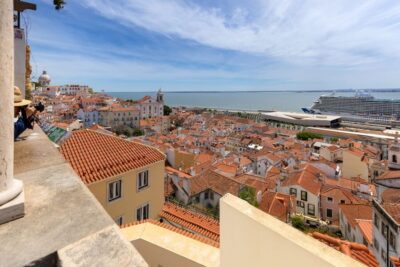

Live Fado Show with Port Wine in Historic Center
Read our review →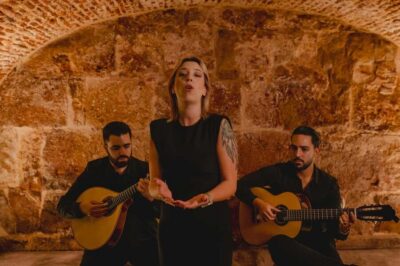
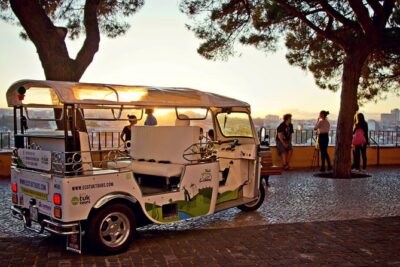
Explore Lisbon by Tuk Tuk: History and Viewpoints
Read our review →
Daytime or Sunset Boat Cruise with History and Wine
Read our review →
Private Tuk Tuk Tour Through Lisbon’s Historical Streets
Read our review →
Lisbon Sunset Sailing with Portuguese Wine and History
Read our review →
Guided Tuk-Tuk Tour Along the Historic Tram Line 28
Read our review →Browse the lists this tour appears in