Reviewed · PRIVATE
10 Days Private Tour in Portugal
This is interesting because it is a true private, guide-led tour, not a hop-on hop-off checklist. You get to move through big-name sights and also smaller places, with a guide explaining what you are seeing and how it connects to Portuguese daily life. I love the way the route mixes Lisbon icons with quieter stops like Alfama, Évora, and Monsanto, so the trip feels like Portugal, not just postcards. One thing to keep in mind: this is a full schedule, so you should expect long days, plus you may add extra costs for places marked as admission not included.
I also like that you are looked after from the start. The tour includes airport transfers and practical extras like bottled water and WiFi on board, and in real life the guide team includes people like Manuel da Silva meeting guests at Lisbon Airport, and director Hugo being part of the experience. That matters because it reduces stress on arrival days and helps you settle in fast.
The other consideration is budget math. The price is about $2,894.01 per person for 10 days, and hotels and meals are not included, and admissions are not included (even though some stops are listed as free). If you want lots of downtime or you hate paying tickets on the go, this setup might feel a bit intense.
Key things I’d plan around
- Private pacing with a guide in your ear, so you can ask questions and actually understand what you are looking at
- Lisbon to Porto to the Douro Valley, with stops that connect culture and geography, not just famous names
- Food and drink moments you can taste, from Pastéis de Belém to Alentejo wine tastings
- Views are built in, with multiple miradouros, sea cliffs, and river viewpoints scheduled
- Ticket costs vary by stop, so bring a buffer for admissions
- Airport pickup and onboard comfort, bottled water and WiFi help a long road trip feel manageable
Price and logistics: what the $2,894.01 buys you
For roughly 10 days in Portugal on a private tour at $2,894.01 per person, you are paying mainly for time and coordination. You are not just getting a car. You are getting airport transfer, a guide escort throughout the experience, bottled water, and onboard WiFi, plus personal accident insurance. In practice, that is the stuff that keeps the day smooth, especially when you are jumping between Lisbon, Sintra, Évora, Porto, and the Douro Valley.
What is not included is just as important for planning. Hotels and meals are not included, and admission fees are not included. Some sights in the day-by-day plan are listed as free, but others are marked as not included. So even though the core tour is priced as a premium private experience, you should still budget for tickets and for meals you choose on your own.
Start time is 9:00 am. That is helpful because it keeps travel days efficient, but it also means you should sleep well and be ready early. This private format is only for your group, which is great if you want control and comfort, but it can also mean you will not have extra free time carved out for spontaneous detours unless the guide builds it in.
A few other ways to do Lisbon
- True 4Hour Private Tuk Tuk Tour: Discover Lisbon with a Local!
★ 5.0 · 8,008 reviews - Lisbon: Private Guided Tuk-Tuk Tour with Hotel Pickup
★ 4.9 · 4,552 reviews - Private Lisbon Sightseeing Tuk-Tuk Tour: Alfama, Belém & More
★ 5.0 · 4,277 reviews
Lisbon first day: earthquake streets, Alfama charm, and Belém classics
Your Lisbon day begins in Baixa de Lisboa, the heart of the city’s rebuilt plan after the 1755 earthquake. It is not just a historical note. The grid of straight, perpendicular streets is how Lisbon decided to “design against the ground shaking.” When you walk Rua Augusta and nearby crafts streets, you get a feel for how the city tried to fix disaster with planning and trade.
Then comes the optional fork around Castelo de São Jorge. If you do go in, you get a fortress viewpoint and a sense of how many layers Lisbon has stacked over centuries. If you skip inside, the exterior view time can still be worthwhile because you will be looking out at the city from a high point. Either way, it is a strong “get your bearings” move.
Alfama is the next big personality switch. This is Lisbon’s oldest quarter, with narrow lanes that helped defense during the Arab period and later became the stage for Portuguese authenticity. Alfama is also where fado belongs in the story. Even if you do not plan to sit through a fado night here, walking the alleys gives you that saudade mood.
The day finishes in Belém with Jerónimos Monastery area, Belém Tower, and the Monument to the Discoveries. Belém is where Portugal’s Age of Discovery feels physical, not abstract. You also visit the Pastéis de Belém factory. That is a real cultural stop. It is a simple pleasure, warm pastry made with the kind of consistency that turns a local treat into an institution.
Possible drawback: Lisbon days can feel like a lot of walking and viewpoint time in one chunk. Wear shoes you can trust, and consider taking a slow break in Alfama or around Belém if the group pace feels fast.
Sintra to Cascais day: Pena or Regaleira, then Cabo da Roca and the coastal drive
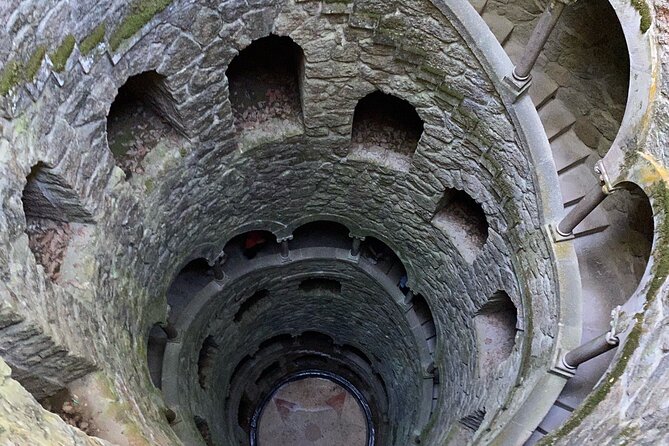
This is one of the best parts of the trip for scenery. Sintra is a palace-and-landscape world, and the guide structure helps you choose without feeling lost. You can pick between different palace options, and your guide suggests what makes sense. The plan includes stops linked to both Quinta da Regaleira and the Palácio da Pena area, plus the Moorish Castle concept.
Palace time here is not only about pretty buildings. It is also about the story of Portuguese revival architecture and the way romantic 19th century taste remade older ideas. Regaleira, with its dramatic decoration and symbolism, tends to spark curiosity, while Pena can feel like you are walking through a fantasy sketch that somehow became official.
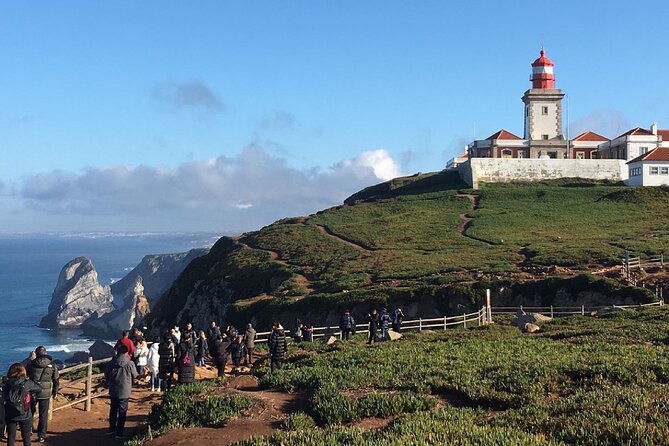
After Sintra’s hills, you drive to Cabo da Roca, often described as where the land ends and the Atlantic begins. The geology matters here, but the emotion matters more. You stand at the cliff edge and your brain automatically shifts from city history to natural power. There are ecological rails in the area, and if you want a light hike, you might find it more rewarding than rushing through a viewpoint photo.
Then you move along the coast toward Cascais. It starts as a fisherman village and becomes a beach town atmosphere. From there, the route includes Estoril as a stop tied to its casino history and the international 007 connection. The final travel back toward Lisbon uses the coastal road “Marginal,” so the ocean views are part of your transport, not just a separate sightseeing item.
Possible drawback: Sintra and Cabo da Roca can be crowded in good weather, and palace choices mean you may feel like you are “deciding” a lot. The guide helps, but if you hate making plans in real time, go into the day with a rough idea of what you prefer, dramatic fantasy or royal grandeur.
Évora and Alentejo day: cork craft, Bones Chapel, and Roman lines in town squares
Leaving Lisbon behind, you get a day that is very Portugal in theme: material craft, wine culture, and medieval weight.
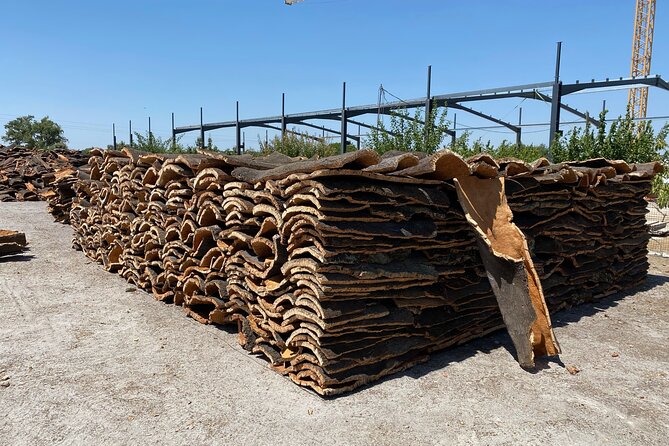
First is Corticarte for an escorted visit to a traditional cork factory. This is not just a souvenir stop. You learn about the cork tree itself, including the idea that cork bark grows back and the stripping cycle. Portugal produces a large share of global cork, and you hear how the material ends up in flooring, coatings, and even sports goods. If you like learning how countries make their industries, this is a smart and practical start.
Then you head to the Alentejo region with a personalized visit to Ervideira, a winery stop with cellar process explanations and wine tastings. The tasting includes white, rosé, and red. The food pairing is regional, with items like bread, sheep’s cheese, sausages, fruit compote, and toast with olive oil and oregano. This part helps the trip feel grown-up, because you are not only visiting monuments, you are learning a taste of where the grapes and climate create character.
Évora itself brings the drama. You visit the Chapel of Bones, an unusual memorial space lined with human bones and skulls from thousands of monks. It is unsettling in tone, but it also drives home the place of mortality in European religious art. You will likely walk through it faster than you expected, but you will also think about it longer on the way out.
You also see the Temple of Diana, a Roman structure connected to how Romans shaped and valued Évora. The plan mentions aqueduct lines outside the city and arches still visible in town. Then there is Praca do Giraldo, the central square feeling like a convergence point of Romans, Arabs, and later Portuguese kings.
Possible drawback: If you are squeamish about the Bones Chapel, this is the day where you will feel it most. If you are fine with it, the contrast between wine, cork craft, and the chapel makes the day memorable.
Another side of Lisbon for the same trip:
- Lisbon City Center Tour – The Unmissable Lisbon
★ 5.0 · 22,234 reviews - Lisbon: Sintra, Pena, Regaleira, Cabo da Roca & Cascais
★ 4.7 · 19,656 reviews - Lisbon: Jerónimos Monastery Entrance Ticket
★ 4.1 · 14,164 reviews - Lisbon: History, Stories and Lifestyle Walking Tour
★ 4.8 · 10,902 reviews
Obidos, Fátima, and Coimbra in one sweep: medieval walls, Marian shrines, and the Joanine Library
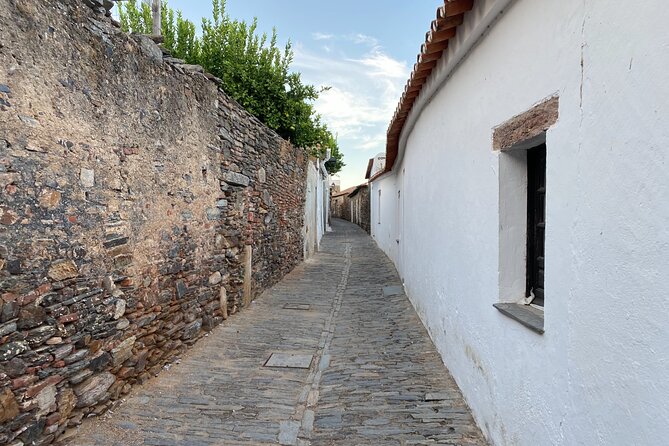
The day starts with Óbidos, a UNESCO listed medieval town known for its whitewashed lanes. It also has a specific historical thread: it belonged to the defensive system of the five castles and became a wedding gift for Queen Isabel, connected to royal finance and the House of the Queens. Even if you do not track every dynastic detail, the town’s walls and compact streets make the “back in time” feeling real.
Next is Fátima, a major Marian shrine. You visit the two basilicas, including Our Lady of the White Rosary and the Holy Trinity basilica, plus the Chapel of the Apparitions in Cova da Iria. If you are not religious, you can still appreciate the scale and the emotional pull. The tombs of the shepherd children are noted, as well as the tomb of Sister Lúcia.
Then you shift to Coimbra, starting with the University’s Biblioteca Joanina. This library is one of the standouts because it is baroque and theatrical in a way that feels made for learning, not for quiet corner study. The construction timeline and the baroque artists involved help you see why it looks like it does, from fresco work to gilded details.
You also visit Se Velha de Coimbra, the historic center split into “High” (nobility, clergy, and later students) and “Baixa” (commerce and crafts). That division gives you a simple way to understand why the city feels layered.
Possible drawback: This is a long cultural day with three different “moods.” If you want one place at a time, you might wish this were two days. The guide pacing helps, but the day is still full.
Aveiro and Costa Nova: canals, soft eggs, and striped beach houses
After Coimbra, you head toward Porto through Aveiro. Aveiro is called the Portuguese Venice for a reason: canals, boat culture, and a town designed around water. You see the cable stone streets and notice Art Nouveau and Art Deco influence. You also learn about Moliceiro boats, originally tied to salt transport and sea algae.
Food is part of the route. Aveiro is known for “soft eggs,” a sweet you may want to try, especially if you enjoy egg-based pastries. The plan includes optional boat ride time, so you can choose the amount of water time.
Then you go to Costa Nova, famous for its colorful striped haystack houses. These started as storage for fishing tools and evolved into summer residences. The beach scene is visually fun, and it gives you a break from palace architecture and stone monuments.
Possible drawback: If you get perfect weather here, it is great. If clouds roll in and the coast is windy, the vibe can shift from pleasant beach stroll to “bundle up and keep moving.”
Porto day six: Clerigos, Lello, São Bento tiles, and port wine in Gaia
Porto is where the tour really shows off. You start with a panoramic look at Boavista, including Casa da Música. That building’s angular design is a contrast to the city’s older stone look, and it sets the tone for Porto being both modern and traditional.
Next, Torre dos Clérigos gives you the vertical payoff, with the tower’s height and bells mentioned. Even if you do not love bells, the views from up there usually help you understand the city’s geography, especially the river shape.
You also visit Livraria Lello, often listed as one of the most beautiful bookstores in the world. The plan mentions that people visit because of its staircase and the creative link to Harry Potter inspiration. Just keep expectations grounded: it is still a functioning bookstore, so you will share the space with other sightseers.
A major visual stop is São Bento Railway Station. The 20 thousand tiles by Jorge Colaço tell stories through scenes tied to Portuguese history and Douro and Minho traditions. It is one of those “slow down and look” places, because you can keep finding new details in the tile scenes.
Then comes the religious and artistic stops. The plan includes visits connected to Igreja de São Francisco and Palácio da Bolsa. In São Francisco Church, there is mention of Romanesque roots and later transformations, plus golden carvings. In the Bolsa Palace, you get a neoclassical setting and the Arab Hall atmosphere.
The route crosses to Gaia for a port wine experience. After you reach Gaia, a boat trip is presented as a great option for seeing Porto differently. Then you visit a port wine cellar for aging and tasting. This is a practical “how it works” moment, and it is hard to replicate on your own without a plan.
You end with Miradouro Serra do Pilar, a viewpoint from a monastery area tied to UNESCO. There are steps, but the payoff is the classic Porto angle across the river.
Possible drawback: Porto packs in a lot of famous sites. If you hate crowds at indoor attractions, choose your patience and go with the guide’s timing. The overall route is strong, but you should be ready for tight transitions.
Guimarães, Braga, and Bom Jesus: Portugal’s beginnings and baroque stair power
This day starts in Guimarães, described as the first capital of the nation and a UNESCO site. You see the sacred hill where Afonso Henriques is represented, giving you a sense of where Portuguese identity begins.
Next is Paço dos Duques de Bragança, with the castle, church, and palace complex. After walking through medieval streets and squares, you end with time for pastries, including Pastel de Santa Clara.
Then you head to Braga. The plan points to Roman and medieval influences visible in walls and facades, and a baroque feel inside. You visit the city’s key areas, including the cathedral environment and Republic Square.
There is also time for the Cathedral Museum and related spaces in the cathedral complex, with mention of organs and mortuary chapels and tombs connected to early Portuguese kings.
Finally, you climb to Bom Jesus do Monte, known as a baroque sanctuary. You can climb its famous steps, or you can use the Bom Jesus funicular described as water-powered. Either way, the story is in the chapels along the Via Sacra route and the monumental staircase environment.
Possible drawback: Stairs and slopes are part of this day’s design. If your mobility is limited, you will want to plan around funicular use and request comfort options early with your guide.
Douro Valley day eight: Amarante, viewpoints, Pinhão tiles, and Quinta do Tedo tasting
This day turns the dial from cities to valleys and river life.
First is Amarante, with a stop tied to São Gonçalo de Amarante and its historical center. You pass Romanesque examples, medieval buildings, and you cross the Saint Gonçalo bridge to see key sites like the church and convent and the Amadeu de Souza-Cardoso Museum. It is the kind of town that feels local rather than staged.
Then you move to Casal de Loivos, a viewpoint stop overlooking mountains and valleys shaped by human presence. It is scenic in a quiet way, and it helps you understand why the Douro looks “engineered” by terraces and river routes.
Next is Pinhão Railway Station, where the tile panels show old winemaking scenes. The plan also notes UNESCO world heritage status for the Alto Douro wine region and highlights its long wine demarcation history tied to the Marquis de Pombal. Even if you do not care about dates, the visuals help connect geography to work.
Then you finish with Quinta do Tedo, a winemaker visit and tasting. You learn about cultivation, pruning, harvesting, and the process through to the final product. At the end, the tasting is the point, and it gives you a direct comparison to the earlier Alentejo wine stop.
Possible drawback: Douro days can feel time-consuming because you are moving through viewpoints and then settling into tasting mode. Bring water and a light layer for temperature swings near river edges.
Serra da Estrela and Monsanto: high country weather, cheese, and rock-built streets
You leave the Douro Valley and head to Serra da Estrela, the highest point of Continental Portugal at 1,993 meters. The plan notes snowfall and winter cold, and it even mentions a ski resort that works when conditions are right. Even in non-ski seasons, the height changes the air and the feel fast.
The tour includes time for typical foods associated with the region, especially Serra da Estrela cheese and sausages. The plan also suggests a big mountain restaurant meal style in Monsanto day planning, with a long list of appetizers, mains, desserts, and unlimited drinks, all homemade style. Even if you do not choose that restaurant, the idea matters: this region is about hearty comfort food.
Then you reach Monsanto, described as one of the most Portuguese villages, with houses built into rocks. You visit the castle and the historic center, where the fortification and cave-like structures give you a “how did they live here” moment. It is quirky in the best way, and it feels like a place that resists tourism oversimplification.
Possible drawback: Weather here can change quickly. If you get wind or fog, viewpoints may be muted. I’d pack for cold and unpredictable conditions, even if your trip is outside winter.
Tomar and Santarém: Templars, the Convent of Christ, and stone soup
On your final day, the trip turns toward the Order of the Knights Templar story. You start in Tomar, visiting the base of their order in Portugal. Tomar’s medieval core is organized with a cross-like layout and includes a convent at each extreme. You also see Republic Square and the Mother Church, plus the hill-side castle and Convent of Christ setting.
The plan mentions traditional commerce and local sweets, including almond and “chila” cheesecakes and the Tomar slices, a pastry made with egg yolks in a special saucepan. It is a fitting finale because it keeps the day grounded in everyday Portuguese food culture.
Then you visit the big one: Convento de Cristo in Tomar. The story here includes the shift after the extinction of the Templars in 1311, and then later damage from the 1755 earthquake and subsequent alterations. That timeline is useful because it explains why the complex does not look like one uniform style.
After that, you visit Igreja de Santa Maria dos Olivais, a 12th century church tied to the Templars and noted as an example of Gothic art. The plan includes that the city founder Gualdim Pais is buried here and that the church’s size and layout can feel different because of how it sits below ground.
Finally, you go to Santarém, described as a Portuguese baroque city. You visit Graca Church, where the tomb of Pedro Álvares Cabral is located. You also get a chance to try Soupa da Pedra, stone soup, a dish that blends local ingredients with the folklore feel of regional legends.
Possible drawback: The last day can feel like a rush because it wraps up so many core monuments and a food stop. Keep your energy up for the Convento de Cristo visit, because it is the centerpiece.
So, should you book this private tour?
I’d book this if you want a single guided thread through Portugal, from Lisbon’s earthquake-rebuilt grid and Alfama lanes to Porto’s river viewpoints and cellar culture, then on to Douro wine country and Templar power in Tomar. The private format, the airport pickup, onboard WiFi, bottled water, and guide explanations make it a strong value for time and comfort, even though hotels, meals, and admissions add extra cost.
I would hesitate if you want a very relaxed vacation with lots of unscheduled free time, or if you really dislike paying admission fees during the trip. Also, because this schedule includes hills, stairs, and cliff viewpoints, it helps to be comfortable walking for long periods.
If you like the idea of understanding Portugal as a living culture, not a list of monuments, this route fits. And with guides connected to real leadership on the ground, including people like Manuel da Silva and director Hugo, you are likely to feel looked after rather than herded.
FAQ
How long is the 10 Days Private Tour in Portugal?
The tour is about 10 days.
Where does the tour start and when?
The start time is 9:00 am.
Is airport pickup and drop-off included?
Yes. Transfer from and to the airport is included.
Is this tour private?
Yes. It is a private tour, only your group participates.
What is included in the price besides the guide?
Included items are airport transfers, personal accidents insurance, bottled water, and WiFi on board.
Are hotels and meals included?
No. Hotels and meals are not included.
Are admission fees included?
Admission fees are not included. Some specific stops in the plan are listed as free, but not all attractions are.
Is there a mobile ticket?
Yes. A mobile ticket is included.
What if the weather is poor?
The experience requires good weather. If it is canceled due to poor weather, you will be offered a different date or a full refund.
What is the cancellation window for a full refund?
You can cancel up to 3 days in advance for a full refund. If you cancel less than 3 days before the start time, you will not get a refund.
Newly reviewed in Lisbon
- Lisbon Hills secrets, soul and insights all in 1 TukTuk ride★ 5.0 · 55 reviews
- 4-hour Tuk Tuk Tour of Belém, City Center, and Lisbon’s Old Town★ 5.0 · 7 reviews
- 4 Hours Private Sailing Trip to Oeiras Beach★ 5.0 · 52 reviews
- Private tour Portugal 4 days from Lisbon★ 4.5 · 3 reviews
- Nazare,Obidos, and Batalha Monastery Private Tour★ 5.0 · 3 reviews
- 4 Hours Private Tuk Tuk Tour in Lisbon★ 5.0 · 15 reviews
- 3 Hours Private Tour of Lisbon’s Historic Center by Tuk Tuk★ 5.0 · 17 reviews
- 4-Day South Portugal Tour from Lisbon: Lagos, Algarve Coast, Sagres, Évora, Beja and Setúbal★ 3.5 · 8 reviews
Private, compared.
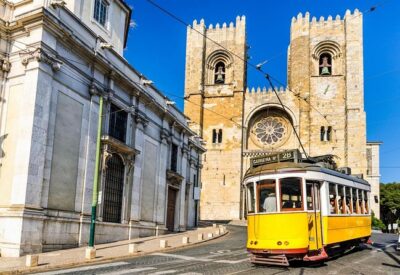
True 4Hour Private Tuk Tuk Tour: Discover Lisbon with a Local!
Read our review →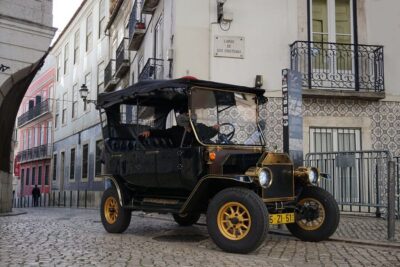
Private Guided Tuk-Tuk Tour with Hotel Pickup
Read our review →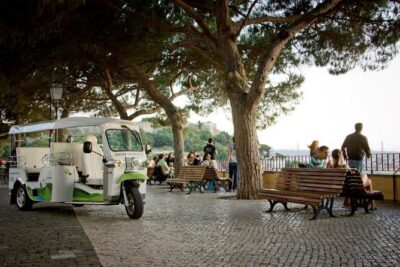
Private Lisbon Sightseeing Tuk-Tuk Tour: Alfama, Belém & More
Read our review →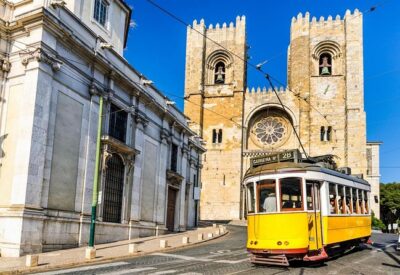
Lisbon Highlights: Private Tuk Tuk Tour Adventure Sightseeing
Read our review →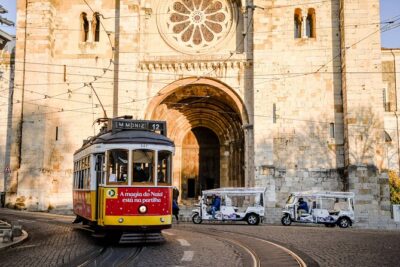
Welcome Lisbon Tour with Local Guide in Private Eco Tuk Tuk
Read our review →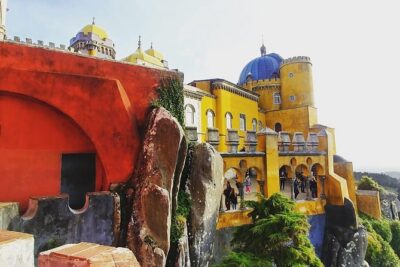
Sintra Full-Day Private Tour – A Journey through Wonderland
Read our review →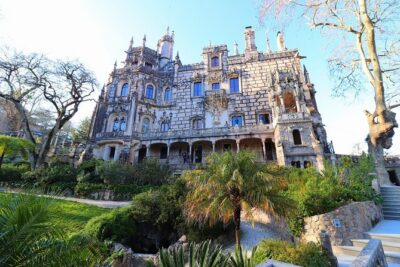
Sintra Private Trip from Lisbon Customizable Dreamlike Experience
Read our review →