
Reviewed · ÉVORA DAY TRIPS
4-Day South Portugal Tour from Lisbon: Lagos, Algarve Coast, Sagres, Évora, Beja and Setúbal
This 4-day south Portugal loop is interesting because you get big-name sights, but the pace still leaves room to breathe, snack, and wander. I like how the plan mixes UNESCO-listed Évora with hands-on time on the south coast, plus a comfy air-conditioned coach to connect it all. A key thing to consider is that you are on a group schedule, so the “free time” is helpful but not a full day off.
The other thing I like is the mix of guided moments and viewpoints that feel very Portugal, not just photo stops. Expect Cape Saint Vincent-level dramatic coastline, Roman and medieval architecture in Évora, and a scenic day in the Serra da Arrábida Natural Park. The possible drawback, based on how these trips tend to run in practice, is that the exact flow can shift a bit, so do not assume you will always get the same amount of solo time at every stop.
Key highlights to know before you go
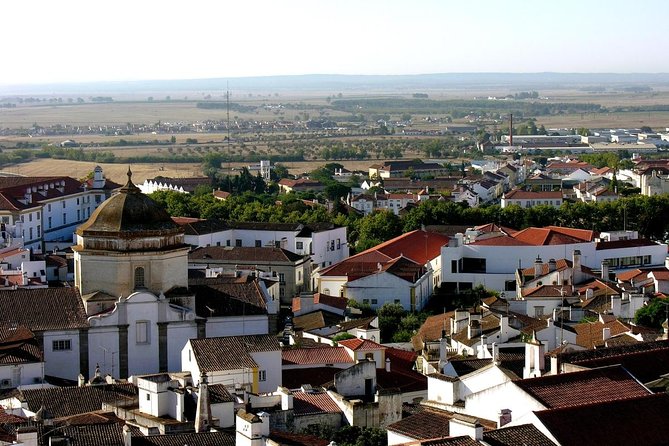
- UNESCO focus on Day 1 in Évora with stops at Sé de Évora Cathedral, Igreja de São Francisco, and the Chapel of Bones
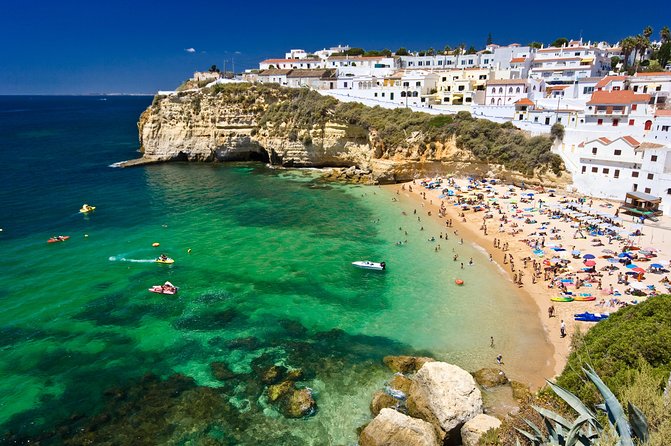
- Algarve viewpoints that do the talking at Ponta da Piedade and Praia da Rocha, plus the iconic Cabo de São Vicente area
- Sagres fortress visit with a guided stop at São Vicente Fortress (and the surrounding history you will hear on the coach)
- Day 2 castle towns including Beja and Silves, with Silves’s red sandstone castle as a visual anchor
- Setúbal + Serra da Arrábida pairing sea connections with scenic mountain views near Lisbon
- José Maria da Fonseca wine tasting stop in Azeitão, included as part of the program
Why this south Portugal route feels better than a rushed city sprint
Most Portugal trips zoom in on Lisbon and Porto, then tack on one or two “day trip” stops. This one stays in the south and does it in a way that feels calmer, mainly because the coach route is built around clusters. You are not constantly crossing the country just to check off a dot on a map.
You start in Lisbon and head out to Évora first, then move gradually into the Algarve. That matters because it helps you feel the change in terrain and mood, from interior stone towns to Atlantic coastline energy. The program also balances guided stops with time to walk at your own speed, which is a big deal in places like Évora, where you could easily wander for hours if the schedule allowed it.
One practical note: the tour involves a moderate amount of walking. You do not need to be an athlete, but comfortable shoes are non-negotiable, especially when you are stepping around historic centers.
More Évora day trips:
- Évora and Megaliths Full-Day Tour from Lisbon
★ 4.7 · 456 reviews - Évora and Monsaraz with Regional Wine Tasting from Lisbon
★ 4.5 · 229 reviews - Évora (with Sé & Bones), Evoramonte & Arraiolos: From Lisbon
★ 4.7 · 57 reviews
The coach, the group size, and the little logistics that affect your day
This is a coach tour with air-conditioned vehicle and a local guide. The maximum group size is 50 travelers, which usually keeps it manageable, but it is still a group. That means you will want to be ready when it is time to board, and you will not always have the last word on where to linger.
Two details you should plan around:
- There is no toilet on board the coach, so build small buffers into your timing before departure from major stops.
- A dress code is required for places of worship and selected museums: no shorts or sleeveless tops, and your knees and shoulders must be covered for both men and women. Bring a light layer. Smart casual is the idea.
You also get hotel pickup on day 1, and the tour ends back at the meeting point. That keeps things simple in Lisbon, but it also means your day starts by meeting your guide and settles into a set rhythm.
Day 1 in Évora: cathedrals, the Chapel of Bones, and time to wander
Évora is the kind of town where your first stroll sets the tone for the day. The old streets are tight, the buildings are made of stone that looks different in different light, and everything feels connected to eras layered on top of each other.
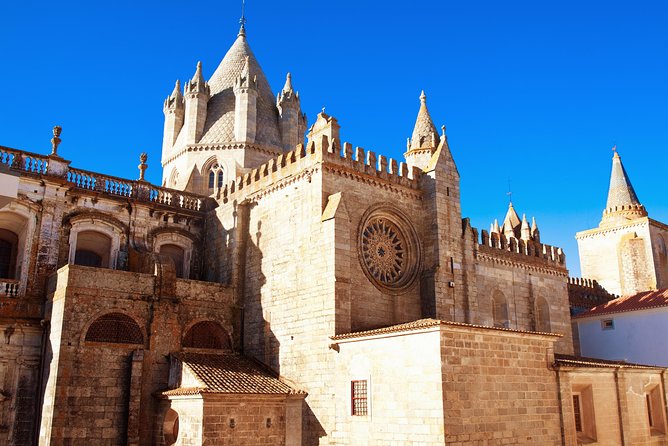
You visit multiple major sites, and the order is smart. You start with Sé de Évora Cathedral. This is Portugal’s largest medieval cathedral, built in granite, and known for the shift from Romanesque to Gothic styling. Even if you are not a “church person,” it is one of those places where you can see history in the architecture, not just in plaques.
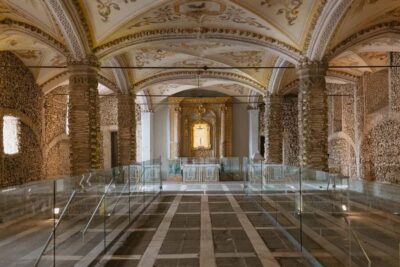
Next comes Igreja de São Francisco, often described as one of Portugal’s most beautiful grand churches. After that, the program includes the Chapel of Bones, a famous, unforgettable stop that is part of the Church of San Francisco. If you do not love morbid art, you might still appreciate it for how it fits its time and how it became such a recognizable monument.
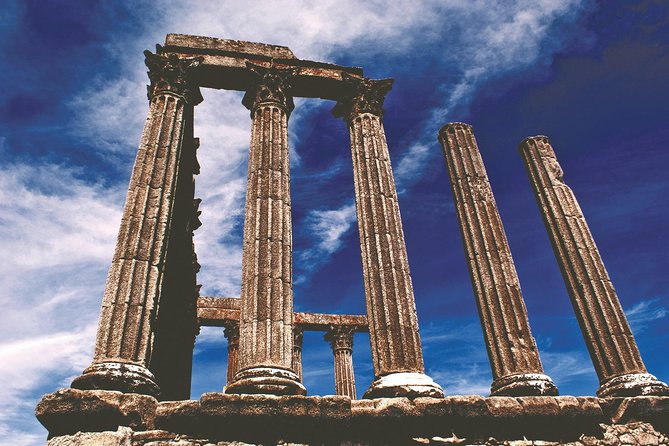
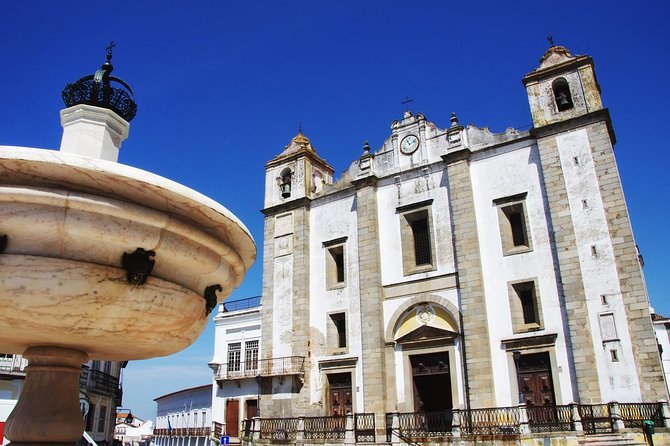
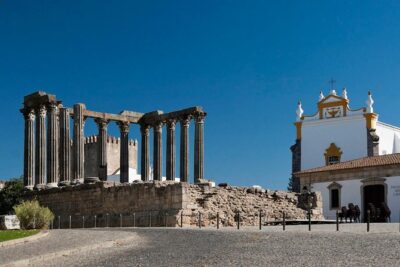
Then you move to the Templo Romano de Évora, also known as the Temple of Diana. Roman temples survive for a reason, and this is one of the better preserved ones you will see in Portugal’s interior. Your guided context here is what turns “a building” into a story you can remember later.
You also stop at Praca do Giraldo, a central square where you can grab a coffee and re-center after the major monuments. Finally, there is free time in the city center. That is your window to do the thing many people forget: sit down for a few minutes, look up at the facades, and let Évora’s scale and texture land.
Tip for this day: pack one outfit that meets the dress code. Since you are visiting multiple churches and museums, you do not want to play wardrobe chess at the last second.
Day 2: Beja and Silves, plus the Algarve transition toward Lagos
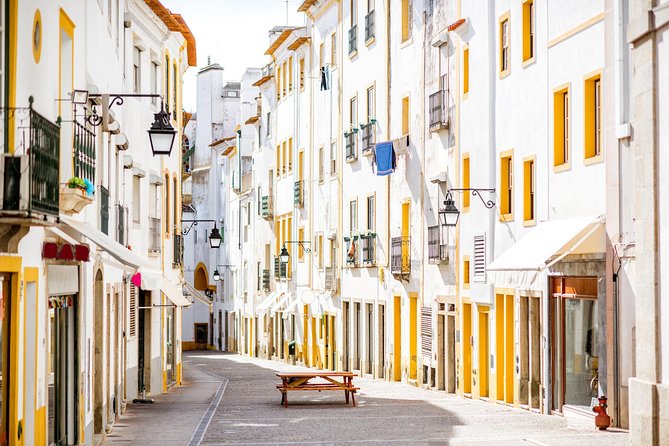
Day 2 is where you leave the interior feel of Évora and start moving toward the Atlantic edge. The route goes through Beja and then Silves, two towns that help you understand why Portugal’s south has always been a crossroads of power, trade, and land-based wealth.
In Beja, you get a photo-worthy view of the medieval castle tower dominating the town. The charm here is simple: you are not stuck in a museum. You are seeing how the medieval past still shapes the skyline.
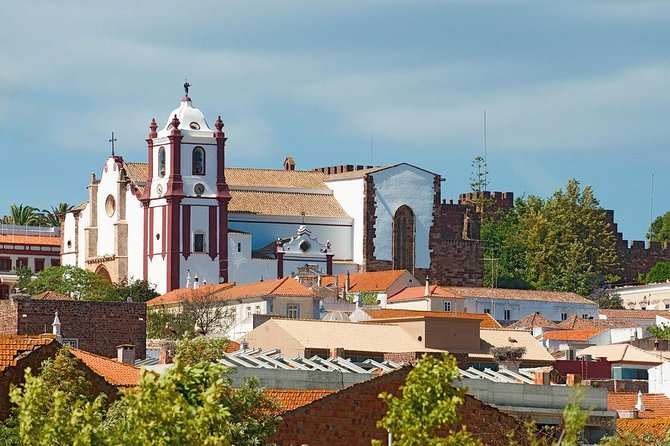
Then you reach Silves, a town dominated by its red sandstone castle. The guide context matters because the castle’s story links to Moorish influence and to later economic memories like cork. You get time to visit the village and the Castle of the city, which is the right length of stop if you want to see the architecture and still keep moving.
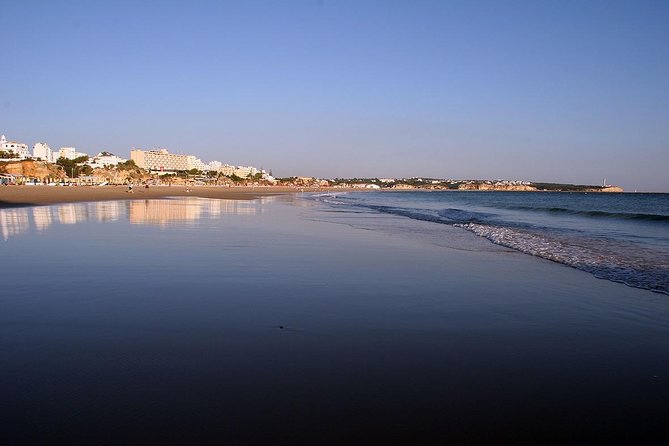
From Silves, you head toward the Algarve and continue along the route passing Praia da Rocha en route to Lagos. This is the moment where your eyes start changing. Interior stone gives way to sea air, and even short glimpses of coastline feel like a reward for the travel day.
In Lagos, you have time to explore and a bit of breathing room to choose your own pace. Lagos is all about sea life and old port energy. You can wander the marina area, watch daily rhythms connected to fishing, and find a meal when you are hungry instead of when the bus schedule says you should be.
More day trips out of Lisbon:
- Lisbon: Pena Palace, Sintra, Cabo da Roca, & Cascais Daytrip
★ 4.7 · 9,981 reviews - Sintra and Cascais Small-Group Day Trip from Lisbon
★ 5.0 · 7,018 reviews - Three Cities in One Day: Porto, Nazare and Obidos from Lisbon
★ 4.5 · 3,572 reviews - From Lisbon: Fátima, Nazaré, Batalha, and Óbidos Guided Tour
★ 4.7 · 3,060 reviews
Day 3: Ponta da Piedade and Sagres, then Cape Saint Vincent’s fortress views
Day 3 is the “coast does not wait” day. After breakfast at the hotel, you head first to Ponta da Piedade, then on to Sagres and the Cape Saint Vincent area.
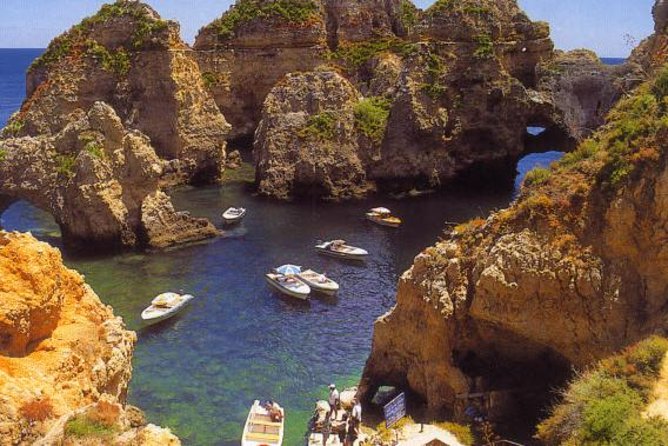
Ponta da Piedade is built for people who like dramatic edges and ocean textures. You get a stop at the lighthouse area, with views over the Atlantic and cliffs shaped by sea erosion over time. The big win here is that you are not just taking a single angle. The viewpoint setup gives you a chance to walk a little and see how the coastline changes as you shift position.
Then you head to Sagres. Sagres has that special south-west feeling, where wind and light seem more intense. The program includes time to explore Sagres and then a guided visit to Sagres Fortress, a National Monument linked to Infante D. Henrique’s era and later rebuilding after raids. Even with only one stop, you come away with a clear sense of why this area mattered for Portuguese exploration.
After Sagres, you reach Cape Saint Vincent, with its fortress and the legendary connection to St. Vincent. You will see the military structure layout and, inside, the São Vicente lighthouse built in 1904 and still operating. That is a striking combination: a defensive fortress plus a functioning beacon. The guide stories are what make this stop feel bigger than it looks on a postcard.
Practical tip: this is the day you should plan clothing for wind. Even when the sun is out, coastal air can feel chilly, especially in open fortress and cliff areas.
Day 4: Setúbal waterfront, Arrábida Natural Park, and included wine tasting in Azeitão
Day 4 starts with Lagos in the morning for the return toward Lisbon, but the day is not just a transfer. You get two major nature and culture stops, plus a wine tasting that is explicitly included.
First is Setúbal. The program highlights the city’s long sea connection, now centered around a rejuvenated waterfront with a colourful fishing harbour and the Troia Peninsula ferry terminal. You also get time in the historic center, with narrow lanes, small plazas, and shops, plus access to Portugal’s largest fish market. If you like watching daily life instead of only photographing monuments, this is the kind of place that rewards a slow stroll.
Next comes Serra da Arrábida Natural Park. This stop is about views and vegetation, with sweeping looks toward the Tróia Peninsula. It also gives you that “southern edge” feeling right near Lisbon, so you get a last dose of scenery before you head back.
Finally, you stop in Azeitão for wine tasting at José Maria da Fonseca. This is included and lasts about an hour. It is also a good final activity because it is structured, comfortable, and gives you something to take home besides photos.
If you are trying to pace the alcohol, plan for it to be your last “big activity” of the day. The tour ends back at the meeting point, and you will still need enough energy to handle the final return logistics.
Free time: how to use it in Lagos and Évora without getting stuck in your own schedule
The overall balance here is guided stops plus autonomy. That is a good mix for people who want context but also want control over their photos, coffee breaks, and walking pace.
Still, a group tour can quietly shrink your free time. In practice, the key is to treat free time like a checklist of small wins rather than a long plan.
Here is a simple approach that works well:
- In Évora, use the free time to find one viewpoint and one “slow street.” Do not try to cover every corner. Pick a direction from Praca do Giraldo and commit.
- In Lagos, use free time for the marina and nearby streets first, then decide what kind of meal you want. Lagos rewards the hungry plan, because sea food and simple local menus are everywhere around the harbor.
Also remember: the coach day is not built around long midday resets. If you snack and drink water between stops, you will feel better when you are moving again.
What this tour is really paying for, and where you should budget extra
Even if the listed price varies by date, the value pattern is clear from what is included.
You are paying for:
- Three nights of superior-class hotel accommodation
- Three breakfasts
- Local guide
- Air-conditioned coach transport
- Included admissions at selected sites like the Chapel of Bones and Sagres Fortress
- An included wine tasting at José Maria de Fonseca
Dinner and lunch are not included, so you should plan on spending here. The tour gives you free time in cities and towns, which makes it easy to eat out, but it also means you should budget for at least two lunches and three dinners, depending on how your timing lines up.
One more spending reality: you might want extra experiences in the Algarve area that are not part of the core program. For example, if you were hoping for a boat ride around Lagos sea caves, that kind of activity is not shown as included in the program steps you will follow.
So the value question is really this: do you want a guided route that handles the logistics for you, while you spend extra money on flexible meals and optional add-ons? If yes, this is a solid setup. If you want everything packaged with no personal choices, you might prefer a different style of tour.
Who this 4-day coach tour suits best
This trip is a good match if you:
- Want a packed but not insane south Portugal sampler
- Like guided context for major monuments, especially in Évora
- Enjoy coast-and-fortress scenery, and you do not mind walking a bit
- Want a simple base in the Algarve region with time to explore on your own
It may be less ideal if you:
- Are very sensitive to schedule changes and want maximum guaranteed solo time
- Expect a lot of “do whatever you want all day” moments, because the balance is guided stops plus partial autonomy
- Have difficulty with the stated dress code for churches and selected museums
Should you book this tour?
Book it if you want a practical route that connects the south’s biggest highlights in four days, while still giving you enough free time to enjoy places like Évora and Lagos at street level. The big selling point is the combination of guided monuments plus serious coastline, all without you driving.
Skip or rethink if you want a totally self-paced trip, or if you hate the idea of a dress code for worship sites. Also check your final travel details carefully so you know where your hotel nights will be, since the day-to-day flow can shift.
If you are the type who likes structure with room to wander, this is a worthwhile way to experience south Portugal without the hassle of planning every leg yourself.
FAQ
Where does the tour start in Lisbon?
The tour starts at Cityrama Gray Line Portugal, Alameda Edgar Cardoso, 1070-051 Lisboa, Portugal.
Does the tour include hotel pickup?
Yes, hotel pickup is offered on day 1.
Where does the tour end?
The tour ends back at the meeting point in Lisbon. Hotel drop-off on day 4 is not included.
What meals are included?
The tour includes three continental or buffet breakfasts. Dinner and lunch are not included unless specified.
Is there a toilet on board the coach?
No, there is no toilet on board the coach.
What sites are visited in Évora on day 1?
You visit Sé de Évora Cathedral, Igreja de São Francisco, the Chapel of Bones, and the Templo Romano de Evora (Templo de Diana). You also visit Praca do Giraldo and have free time in the city center.
Is wine tasting included?
Yes. On day 4 there is a stop for wine tasting at José Maria de Fonseca in Azeitão, and it is marked as included.
What are the fitness and group size limits?
The tour is described as involving a moderate amount of walking, and it’s recommended for moderate physical fitness. The maximum group size is 50 travelers.
What dress code is required?
For places of worship and selected museums, you cannot wear shorts or sleeveless tops. Knees and shoulders must be covered for both men and women.
Newly reviewed in Lisbon
- Lisbon Hills secrets, soul and insights all in 1 TukTuk ride★ 5.0 · 55 reviews
- 4-hour Tuk Tuk Tour of Belém, City Center, and Lisbon’s Old Town★ 5.0 · 7 reviews
- 4 Hours Private Sailing Trip to Oeiras Beach★ 5.0 · 52 reviews
- Private tour Portugal 4 days from Lisbon★ 4.5 · 3 reviews
- Nazare,Obidos, and Batalha Monastery Private Tour★ 5.0 · 3 reviews
- 4 Hours Private Tuk Tuk Tour in Lisbon★ 5.0 · 15 reviews
- 3 Hours Private Tour of Lisbon’s Historic Center by Tuk Tuk★ 5.0 · 17 reviews
- Tour TukTuk 3 hours Lisbon Free Pick-up★ 5.0 · 14 reviews
Évora Day Trips, compared.

Évora and Monsaraz with Regional Wine Tasting from Lisbon
Read our review →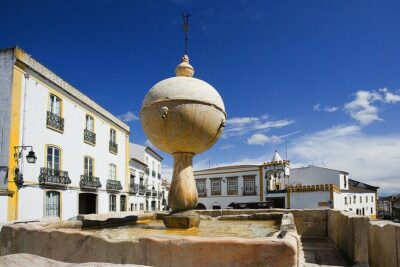
Private walking tour with tickets to main monuments
Read our review →
Private tour with entrance tickets to main monuments
Read our review →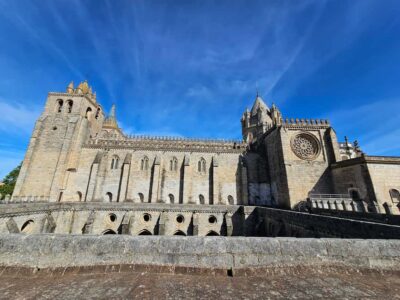
Évora (with Sé & Bones), Evoramonte & Arraiolos: From Lisbon
Read our review →
Browse the lists this tour appears in