
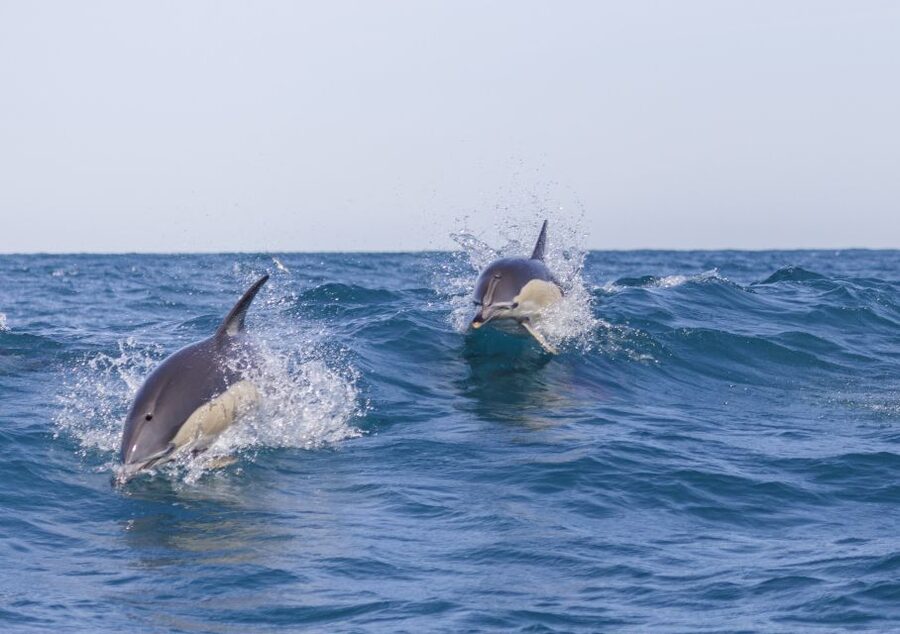
Reviewed · DOLPHIN WATCHING
Lisbon: Dolphin Watching with Marine Biologist
This Lisbon dolphin watch is interesting because you head out on a small fast RIB with a marine biologist on board, so the trip becomes a real life science lesson while you search near the city. I like that the crew sets the tone with a clear safety briefing, then keeps checking in so you can enjoy the ride.
I also love the searching style. You are not just drifting while hoping for the best. You scan, you learn what you are looking for, and when the dolphins show up, the guides help you read the behavior. Names like Sid, Bart, and Sarah come up often in the guide stories, which says a lot about how consistent the experience feels.
The one drawback is that dolphin sightings are wild and not guaranteed, even with a reported 97% chance. Also, because it is a small boat, if conditions turn choppy, it can feel bumpy, so pack a jacket and plan for a bit of Atlantic attitude.
Key things to know before you go
- Marine biologist onboard: expect species explanations that connect what you see to how dolphins, seabirds, and other marine life behave.
- RIB speedboat ride: quick access to better waters makes the trip feel like an active sea mission, not a slow cruise.
- Bugio Lighthouse area: Fort of São Lourenço do Bugio is part of the scenic, wildlife-focused route.
- Cascais region spotting: you fan out in search of dolphins and seabirds beyond the harbor.
- Wild sightings, respectful distance: you watch cetaceans in their natural habitat, with rules designed to keep disturbance low.
- Sea can be cold: bring a jacket even if Lisbon is warm on land.
Doca de Santo Amaro, Gate 3: getting on the RIB without stress
Your trip starts in Doca de Santo Amaro, at Gate 3 of SeaEO Tours, with the best reference point being the dock under the big red bridge. You are in Alcântara, right on the riverfront, which is convenient for a Lisbon city stay because you can get there without a rental car.
Boarding on a fast rigid inflatable boat is part of the fun. It feels like you are joining an expedition right away: lifejackets on, faces forward, and then you get briefed before you hit open water. The small-boat setup matters because it helps you move to where the action is likely to be, instead of wasting time.
Practical tip: wear comfortable clothes you can move in quickly. There is a lot of standing around when you are looking for wildlife, then you are back seated for the next run. If you show up in stiff shoes or something that cramps your feet, the whole experience gets less enjoyable.
More dolphin trips from Lisbon:
- Lisbon: Tagus River Cruise to the Ocean & Dolphin Watching
★ 4.0 · 3,019 reviews - Lisbon: Dolphin Watching with Marine Biologist – Small Group
★ 4.9 · 867 reviews - Lisbon: Dolphin Watching with a Marine Biologist – Ocean Safari
★ 5.0 · 812 reviews
Marine biologist briefing: safety first, then you start spotting like a pro
Once you are out on the water, the key difference here is the marine biologist-led focus. You do not just get a generic dolphin talk. You get a safety briefing up front, then a running explanation of what you might be seeing, why it is there, and how to interpret signs on the surface.
From what you get on board, the guides help you notice more than just the big reveal. You learn to look for patterns: seabirds circling, fish activity, sudden changes in surface behavior, and the types of movement that suggest a pod is nearby.
And yes, the ride itself is quick and energetic. Guests describe the boat as safe and comfortable when it is running well, and the crew is attentive about how people are feeling. One recurring theme is that guides keep things organized so you can enjoy the sea instead of worrying about the logistics.
If you easily get seasick, this is not the time to tough it out on an empty stomach. The advice is simple: have a good breakfast, but avoid milk, cream, or yogurt. That can make a noticeable difference once you are bouncing on waves.
Fort of São Lourenço do Bugio and Bugio Lighthouse: scenic water, built-in context
A big chunk of the “wow” happens before you even reach the far scanning zones. The route takes you past the Fort of São Lourenço do Bugio, tied to the Bugio Lighthouse area highlighted on the tour.
This stop works for two reasons. First, it gives you a dramatic frame for what you are doing, because you see Lisbon from the water instead of just postcard angles from land. Second, it sets you up for wildlife spotting in a practical way: your eyes learn how the coastline and shipping lanes sit relative to where you will later search.
When you are watching for marine life, your brain needs reference points. Seeing forts, lighthouses, and coastline features on the way out helps you orient quickly, which makes scanning feel less random. Even when you are just starting, the guide context turns the trip into something you can actively follow.
A note on timing: the trip is only about 3 hours, so you want your attention switched on from the beginning. If you are the type who spends the first half distracted by your phone camera settings, you will miss part of the educational momentum.
Cascais to the open Atlantic: how the dolphin search actually feels
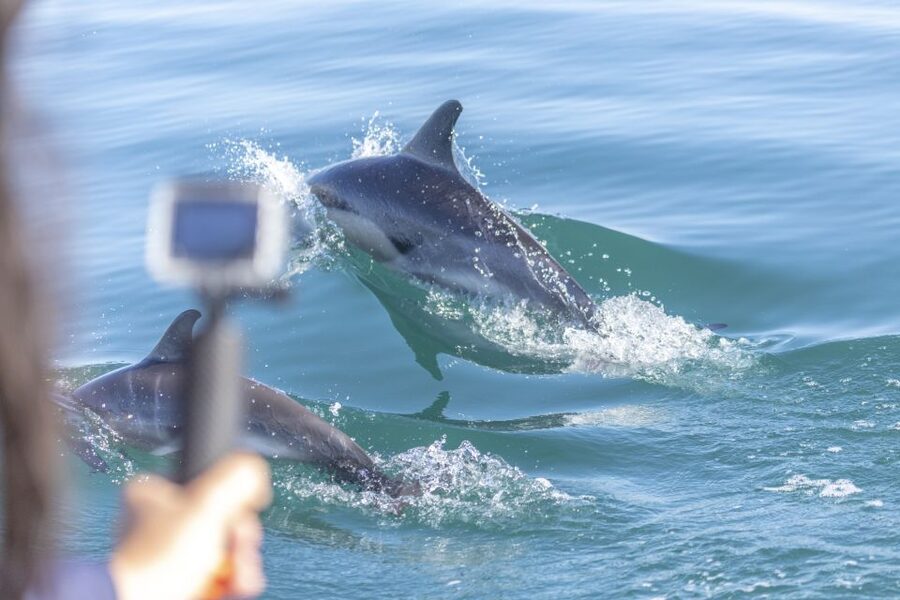
The heart of the experience is up in the open water where you scan for dolphins and seabirds. Your boat becomes a moving observation platform, and the marine biologist helps you track what is likely to be worth following.
In real life, this kind of search can take time. Sometimes dolphins are quick to show up, and sometimes you spend longer running between likely zones while keeping watch. The good news is that the tour is built for that reality. You are not just waiting. You are learning what to look for as you go.
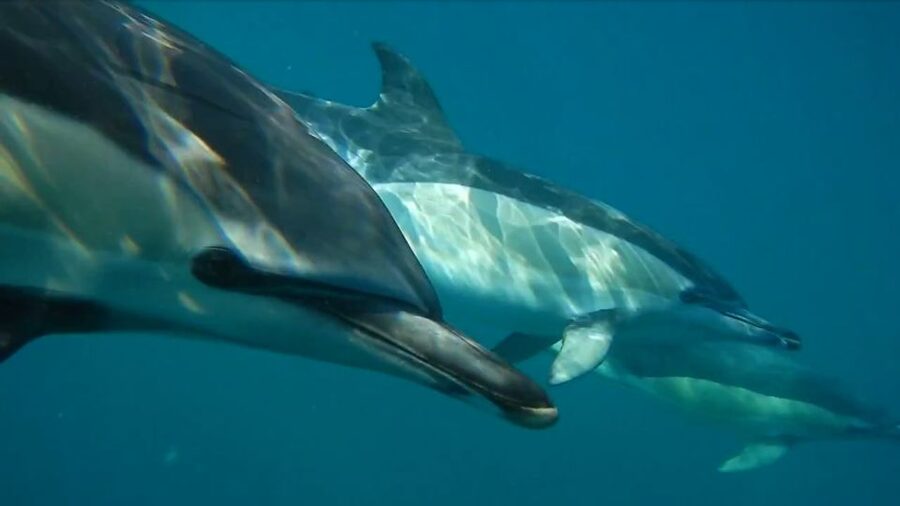
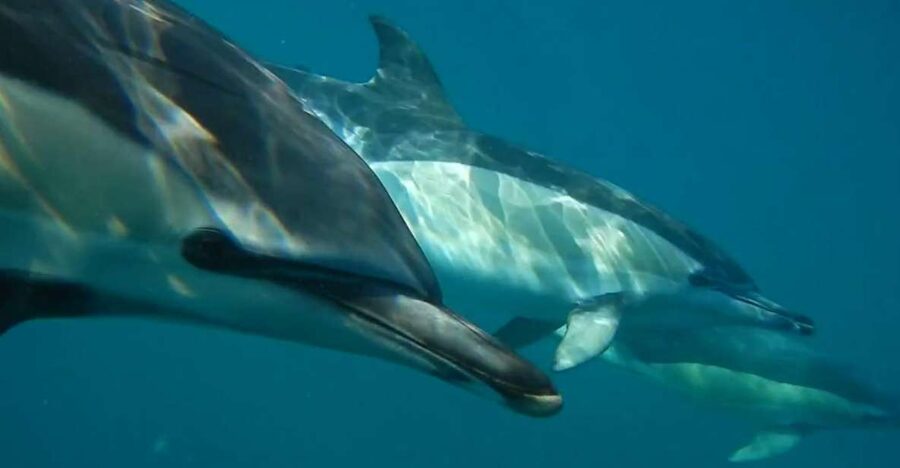
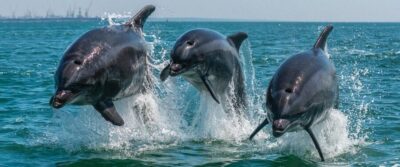
When sightings happen, the experience can feel almost immediate. Many accounts highlight dolphins approaching the boat, swimming close, and showing playful surface behavior. The key detail is that you are not supposed to treat dolphins like a carnival attraction. The observation rules are designed to keep a respectful distance, so the dolphins can come to you out of curiosity rather than stress.
Another small but real benefit: the fast boat lets you check multiple areas within the tour window. That matters because dolphins move, and the crew’s job is to position you where the odds improve. If you are doing dolphin watching because you want a real chance at seeing multiple species, this is the kind of tour that prioritizes active searching.
Another side of Lisbon for the same trip:
- Lisbon City Center Tour – The Unmissable Lisbon
★ 5.0 · 22,234 reviews - Lisbon: Sintra, Pena, Regaleira, Cabo da Roca & Cascais
★ 4.7 · 19,656 reviews - Lisbon: Jerónimos Monastery Entrance Ticket
★ 4.1 · 14,164 reviews - Lisbon: History, Stories and Lifestyle Walking Tour
★ 4.8 · 10,902 reviews
More than dolphins: seabirds and other marine life you might spot
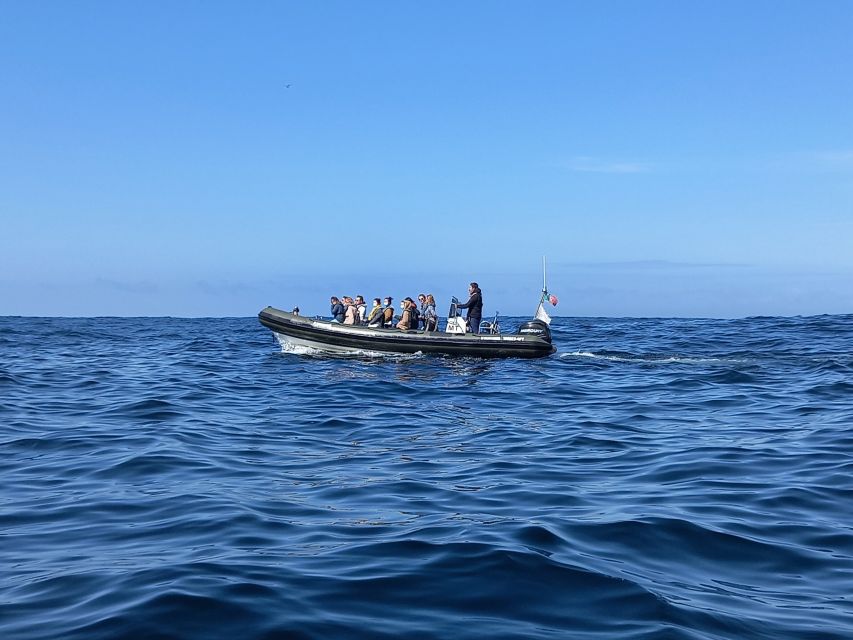
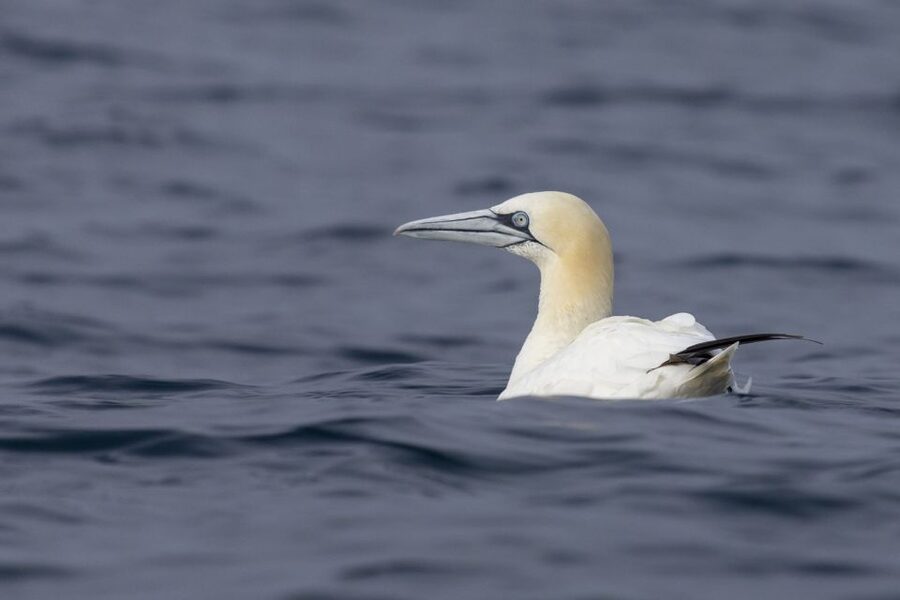
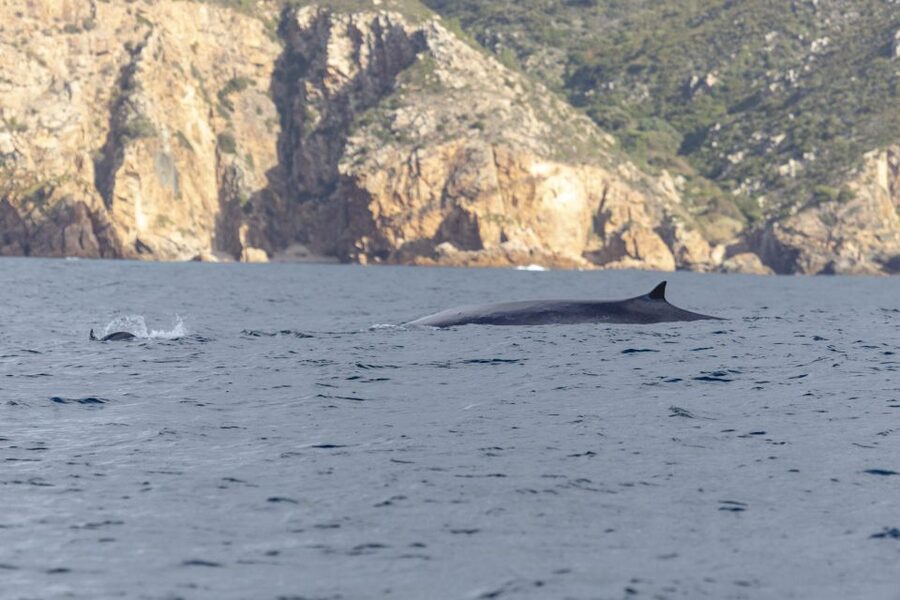
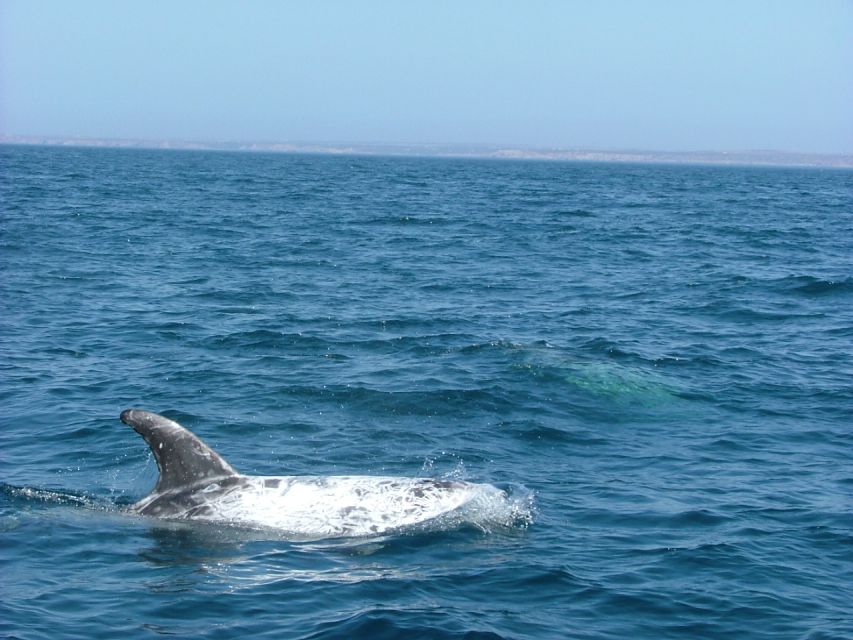
Even though dolphins are the headline, the trip is framed as a broader marine life hunt. You might see seabirds and sea fish, and on some trips there are reports of sharks, jellyfish, and sea turtles. You should go with the right expectations: wild animals are unpredictable, so you are really signing up for a better chance to encounter marine life, not a guaranteed checklist.
What I like about this approach is that it changes how you experience the water. If you see only dolphins, great. If dolphins take a while, you still have something to focus on: birds, fish activity, sudden changes in the water. That prevents the trip from feeling like a long wait for one moment.
It also helps you understand why the marine biologist matters. When you know how different species use the same waters, you can connect the dots instead of just reacting. The stories on board often include why dolphins may be feeding, what you are seeing with their movement, and how the local area supports marine life.
One theme that comes through strongly is respect. People talk about the guides keeping disturbance low and staying mindful about the dolphins’ comfort. That is not just feel-good wording. It shapes how you behave as a passenger too, and it makes the encounter feel more authentic.
Belém backtrack: Tower views, Monuments for the Discoveries, and a quick land moment
On the return, you get the classic Lisbon payoff from the water: views of Belém landmarks as the boat heads back along the river. You can spot major monuments like the Monument to the Discoveries and views connected to the Jerónimos Monastery and the Tower of Belém.
There is also a short stop at the Belem Tower area, listed as a brief visit with guided context. It is only about 5 minutes, so think of it as a quick refresh for photos and orientation, not a museum time slot.
What makes this part work is timing and mood. You finish the wildlife search, then shift to scenic landmarks while the sea ride slows into sightseeing mode. Even if your dolphin sightings were limited, the river views plus the education you got on the water usually land as a complete experience.
If you want extra comfort on the way back, grab a spot where you can see forward. That helps because you will likely be scanning for anything else in the water, and you also get the best angles for the river monuments.
Price, what to pack, and who should book this dolphin safari
At $76 per person for about 3 hours, you are paying for a specific mix: a fast boat, a marine biologist guide, and the logistics that make dolphin watching realistic from Lisbon. What you get is not just transportation. You get equipment support (lifejackets), insurance, and fuel, plus the taxes included in the price.
Not included: hotel transfer, and food or water. That is the one planning gap I would handle before you go. If you are prone to seasickness, eating strategically matters more than you think, but still avoid milk, cream, or yogurt.
What to pack is straightforward:
- comfortable shoes (you will be on a dock and moving to spots on the boat)
- a camera
- sunscreen
- a jacket (yes, even in Lisbon, the sea air can cool you fast)
- comfortable clothes
And follow the rules: no smoking, no alcohol or drugs, no littering, and do not feed or touch marine life. If you are bringing kids, double-check suitability. This tour is not set up for children under 5, and it is not suitable for pregnant women, people with severe back problems, or guests with mobility impairments or wheelchair users.
My call: should you book? If your goal is to see wild cetaceans with an expert onboard and you want a more active, smaller-boat style than a big crowd cruise, this is a strong choice. If you cannot handle bumpy water, or if your trip plan depends on guaranteed dolphin sightings, consider a flexible day and pack for chills.
FAQ
FAQ
How long is the Lisbon dolphin watching tour?
The tour duration is 3 hours.
Where is the meeting point in Lisbon?
You meet at SeaEO Tours, Sea & Estuary Odyssey, at Doca de Santo Amaro, Gate 3. The dock under the big red bridge is the best reference point, with Alcântara in front of the riverside.
Are dolphin sightings guaranteed?
No. Dolphins are wild animals, so sightings cannot be guaranteed. The local partner reports a 97% chance of sightings.
What is included in the price?
The tour includes a marine biologist tour guide, crew members, lifejackets, insurance, taxes, and fuel.
What should I bring with me?
Bring comfortable shoes, a camera, sunscreen, a jacket, and comfortable clothes.
What should I do if I get seasick easily?
If you easily get seasick, the advice is to have a good breakfast but without milk, cream, or yogurts.
Who is the tour not suitable for?
The tour is not suitable for children under 5, pregnant women, people with severe back problems, people with mobility impairments, or wheelchair users.
What languages are available on the tour?
The live tour guide is available in Portuguese, English, French, Italian, and Spanish.
Newly reviewed in Lisbon
- Lisbon: Private Food Tour – 10 Tastings with Locals★ 4.8 · 73 reviews
- Lisbon: Private Custom Tour with a Local Guide★ 5.0 · 6 reviews
- Lisbon: 2 hours Private City Highlights Tuk-Tuk Tour for two★ 5.0 · 5 reviews
- Lisbon: City Sightseeing Tour★ 4.9 · 13 reviews
- Lisbon: Private Christmas Lights Tour by Eco Tuk Tuk★ 4.9 · 51 reviews
- Lisbon: Private Catamaran Charter for up to 18-People★ 5.0 · 7 reviews
- Lisbon: Private Boutique Boat Tour – Sail in Style★ 5.0 · 87 reviews
- Lisbon: Private Boat Trip, Guided Walking Tour, Bike & Tram★ 4.8 · 116 reviews
Dolphin Watching, compared.

Tagus River Cruise to the Ocean & Dolphin Watching
Read our review →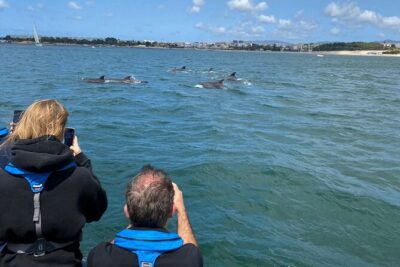
Dolphin Watching with Marine Biologist – Small Group
Read our review →
Dolphin Watching with a Marine Biologist – Ocean Safari
Read our review →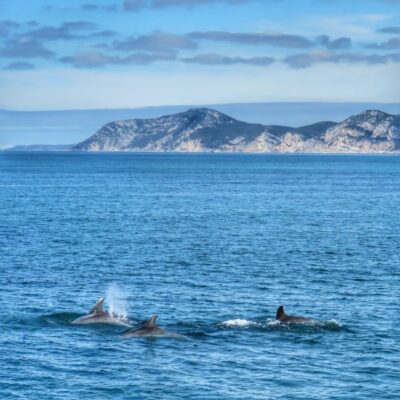
Arrábida Dolphin and Whale Watching tour with biologist
Read our review →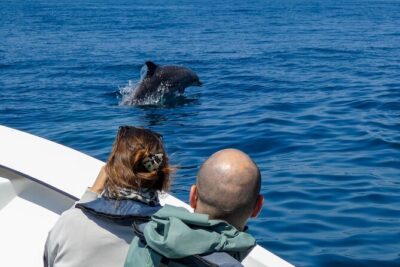
Observation of Dolphins and Whales with Marine Biologist in Arrábida
Read our review →Browse the lists this tour appears in