

Reviewed · 3-HOUR EXPERIENCES
Lisbon: 3-Hour The Slave Trade – An Historical Walking Tour
Lisbon shows off its charm fast. This tour slows you down and points at something most mass sightseeing skips, the way the Atlantic slave trade shaped Portugal and left traces you can still read in the city.
I love that it is led by African guide Rui Fernandes, with a background in history, political science, and economics. I also love the small-group format, limited to just a handful of people, which makes questions feel normal instead of rushed.
One consideration: the subject is heavy. You are walking through a story of human cruelty and long-lasting racism, so if you want only light, feel-good sightseeing, this may be emotionally intense.
Key highlights you will actually feel
- A licensed local guide who brings politics, economics, and history into the same conversation
- Rui Fernandes pacing that leaves room for questions and clarifies details without lecturing
- Small-group size that keeps the walk interactive, with names remembered and attention shared
- Lisbon streets as evidence, using street names, building features, churches, and squares to make connections
- A mid-tour coffee and restroom break so you can keep your energy for the second half
- Mostly flat walking, which recent groups note is manageable for a wide range of ages
Starting in Alfama: Largo do Chafariz de Dentro and What You See First
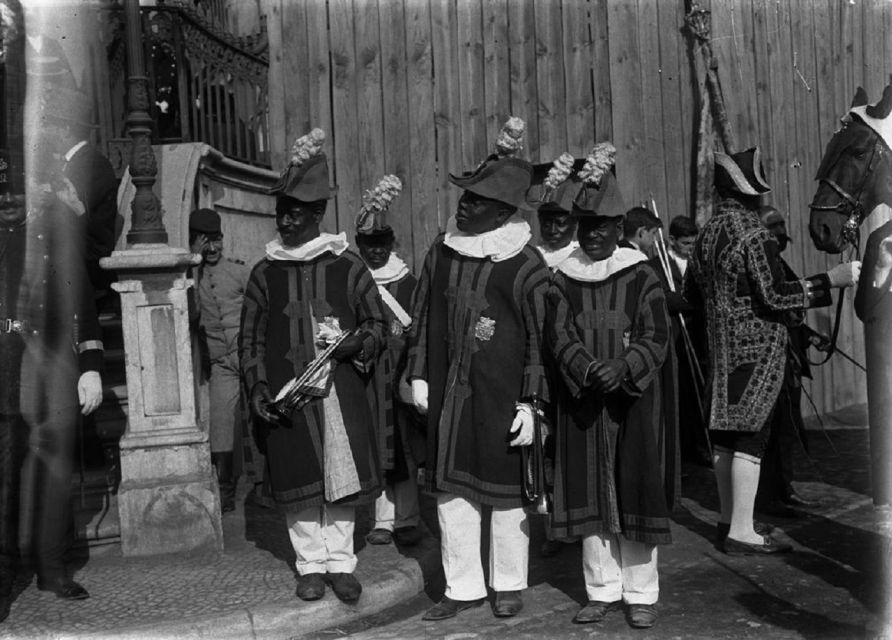
The tour meets at Largo do Chafariz de Dentro, an easy anchor point for starting an honest history walk in Lisbon’s older layers. You’ll be guided through back streets and main avenues, and the vibe from the start is not casual sightseeing, it is careful looking.
What I like about beginning here is that Alfama is not a blank stage. You immediately get cobblestones, steep-but-short local street patterns, and the kind of street texture that makes it easier to imagine earlier Lisbon lives. Even before you get to the deeper parts of the story, you start learning how to spot clues in plain sight: street names, older building uses, and the way grand structures can hide earlier realities.
Your feet will do the work, so come ready for a real walk day. Comfortable shoes matter more than you’d think, especially if you’re visiting in warmer months.
More walking tours in Lisbon:
- Lisbon: History, Stories and Lifestyle Walking Tour
★ 4.8 · 10,902 reviews - Best of Lisbon Small-Group Guided Walking Tour
★ 5.0 · 4,869 reviews - Lisbon: Food and Wine Small Group Walking Tour
★ 4.9 · 4,082 reviews
A 3-Hour Walking Tour That Stays Practical, Not Just Historical

This is a 3-hour walking tour, and you should plan it like an active city block, not like a museum visit you can slow down at will. The route is designed to move through the center and hit locations connected to slavery, including monuments, churches, and public squares.
The pacing is a big part of why people rate this tour so highly. Multiple groups mention a relaxed rhythm, with time to ask questions and absorb what you’re seeing. Recent comments also highlight that the walking is largely left to flatter stretches or minimal inclines, which makes it feel more accessible than many Lisbon walking plans.
Expect one coffee break and one restroom break during the tour. That matters because the subject is emotionally draining for some people, and a short pause helps you keep focus for the remaining stops.
And because it is limited to a very small group, you can ask direct questions without waiting for a lull in a large crowd. If you like learning in a real back-and-forth way, this setup is built for you.
Prince Henry to the Atlantic Slave Trade: How Lisbon Gets Reframed
The tour’s core idea is simple and powerful: Portugal’s development is tied to the Atlantic slave trade. The story starts in the early 15th century, when the Portuguese crown, under Prince Henry the Navigator, encouraged what is now called the Atlantic slave trade.
You’ll hear how millions of Africans were sold into slavery and transported across the ocean, and how this system lasted for centuries. The numbers shared on the tour are stark: between 12 to 14 million, and a four-century span. Even when you think you know the broad outlines, putting this history into Lisbon’s streets changes how it lands.
This is where you’ll see the tour move beyond slogans. Instead of only naming events, the guide connects them to institutions and daily mechanisms. You learn about how slavery took root in the Iberian peninsula, how the Atlantic trade developed, and how a European city benefited from human suffering in ways that were legal, economic, and political.
The effect is that Lisbon stops being only a pretty backdrop. You start seeing it as a place where global systems were engineered and financed, and where the built environment can reflect that history.
Lisbon’s Streets as Evidence: Monuments, Churches, and Public Squares
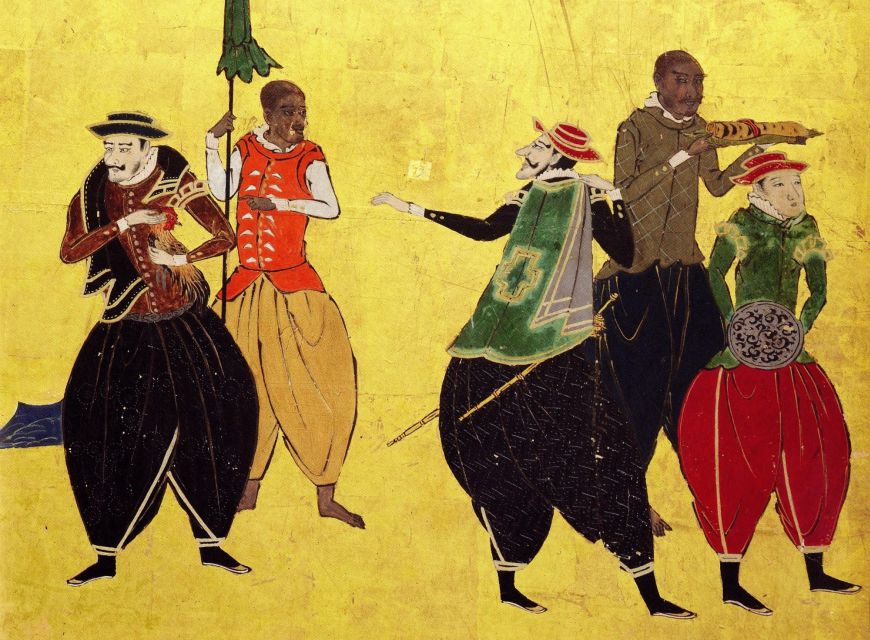
One of the most useful parts of this tour is the method. You are not just hearing a timeline. You are learning how to read Lisbon.
As you walk, the guide points out places tied to the story and uses visual context, including pictures, to help you picture what you might otherwise miss. Reviews often mention how these visuals help without overwhelming the group, which is exactly the right balance for a complex topic.
You’ll likely spend time on:
- Monuments and public spaces that help explain how power was displayed
- Churches that anchor religion, politics, and social control in the same frame
- Streets and building features that show past uses and hidden layers
This approach is valuable because it trains you. After the tour, you’ll be better at asking questions while you’re exploring on your own. Instead of a single guided narrative, you gain a lens for the city.
A few other ways to do Lisbon
- Lisbon: Live Fado Show with Port Wine in Historic Center
★ 4.7 · 4,166 reviews - Lisbon: Fado Show with Wine in a Historic Venue
★ 4.8 · 1,294 reviews - Explore Lisbon by Tuk Tuk: History and Viewpoints
★ 5.0 · 840 reviews - Lisbon: Daytime or Sunset Boat Cruise with History and Wine
★ 4.9 · 819 reviews
Brazil, Portuguese Colonies in Africa, and the Long Chain of Consequences
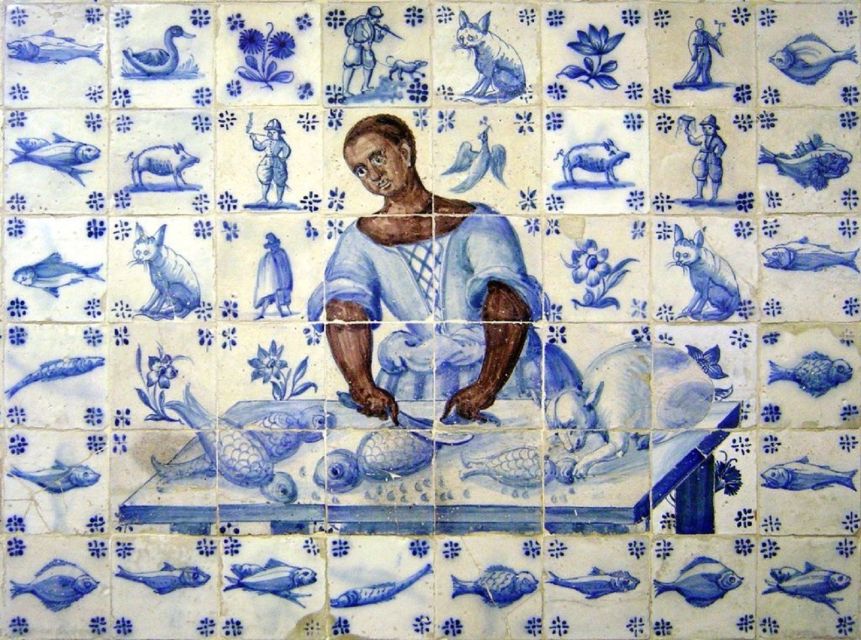
The tour does not treat the Atlantic slave trade as a one-way trip. It keeps stretching the connection across regions, which is where it becomes especially relevant.
Brazil is a major part of the story you hear about, because it was central to how enslaved people were exploited and how profits moved. You’ll also learn about the Portuguese colonies in Africa and how those networks supported the trade.
Then the tour moves toward a later, harder truth: abolition did not mean the end of struggle. You’ll cover the abolition of slave trade in Portugal and the struggle for liberation by African nationalists. The message here is not only historical, it is political and human, and it connects the past to ongoing realities.
Even if you already know that Portugal played a role, the tour’s strength is in linking the economic reasons, the governing logic, and the lived consequences. That is the difference between knowing a fact and understanding a system.
Your Guide, Rui Fernandes: Clear Answers and Room for Questions
The experience is guided by a licensed local guide, and the standout name in recent departures is Rui Fernandes. Multiple reviews praise him for research and for presenting the material in an even, clear way, with patience and a steady pace.
If you care about questions, this is a good tour to choose. Reviews describe an atmosphere where questions are welcomed throughout the walk, not saved for a single end-of-tour segment. Rui also appears to remember names and keep the group included, which is not a small detail in a small group experience.
Another practical point: the guide seems to manage the walk in the real world. People mention shade on hot days and a mid-tour break that actually helps. That makes the tour feel thoughtfully run, not just academically impressive.
In plain terms, Rui’s role is to turn a difficult topic into something you can process. He connects it to Lisbon’s physical landmarks so you can leave with more than guilt or sadness. You leave with context, the kind that helps you make sense of what you’re seeing when you go back out into the city.
What You’ll Learn About Day-to-Day Life in Historical Lisbon
The tour includes topics that go beyond big events. It covers what the day-to-day aspects of the life of an enslaved person in historical Lisbon looked like.
That matters because slavery is easy to treat as an abstract horror. When a guide brings it down to how life functioned in a city, it becomes harder to reduce the past to numbers alone. You also start understanding how institutions worked to normalize cruelty, and how that normalization supported economic growth.
This is one reason people rate the tour as a highlight of their trip. You stop thinking of Lisbon as a single story and start thinking of it as a system with visible effects.
The Emotional Side: A Heavy Topic You Should Choose on Purpose
This tour is not designed to be comfortable in the cheerful, postcard sense. You are learning about the foundations of an Atlantic system built on forced labor and the selling of human beings.
If you’re sensitive to heavy subject matter, plan for it. Bring a mindset that is ready for realism, not just facts. A coffee break helps, but it does not change the nature of the subject.
On the flip side, if you want Lisbon to make full sense, this is exactly the kind of missing context you’ll appreciate. Portugal’s prosperity in later centuries makes more sense once you understand what it was tied to. The tour gives you that connecting tissue.
Price and Value: Why $35 for 3 Hours Can Be a Smart Trade
At $35 per person for a 3-hour walking tour, you’re paying for focus and expert guidance, not for a pile of optional add-ons. You get a licensed local guide, a small group format, and the practical inclusion of one coffee and one WC break.
Is it a bargain? It is not priced like a budget “good deal” experience. But in Lisbon, where many tours are either generic or take place in larger groups, small-group learning time can be worth paying for. The real value here is the ability to ask questions and get clear answers on a topic most sightseeing ignores.
Also, this tour can change how you spend the rest of your trip. If you plan to visit museums, neighborhoods, or monuments tied to Portugal’s global role, this walk helps you see more than you would otherwise.
Who This Tour Fits Best (And Who Might Prefer Something Else)
I think this tour suits you if you want:
- A direct look at Portugal’s role in the Atlantic slave trade, told through Lisbon’s actual places
- An opportunity to ask questions and get clear, steady explanations
- A small-group experience that feels like a conversation, not a microphone lecture
- A better understanding of how history shows up in present-day identity and memory
You might reconsider if you want only light sightseeing, or if you know you struggle with difficult historical topics for long periods. The walk is manageable for many people, but the content is intense.
If you’re traveling with a partner or friend, this is one of those shared experiences that sparks real conversation afterward. And if you’re traveling alone, the small group helps you feel included.
Tips for Getting the Most Out of Your Walk
A few practical moves will help you leave feeling satisfied, not just overwhelmed.
First, come with one question you want answered. It could be about how the trade worked, what abolition meant in practice, or how Lisbon’s built environment reflects what happened.
Second, take advantage of the guide’s willingness to answer. In a small group, you do not need to wait your turn for every question. If something feels confusing, ask it.
Third, expect to do real reading with your eyes. Look at street names, building details, and how space is used. The guide’s method trains you to notice these things, and that skill lasts beyond the tour.
Finally, wear comfortable shoes and keep some patience for emotions. The coffee break gives you a rhythm reset, but you will still be carrying a serious story.
Should You Book the Lisbon Slave Trade Historical Walking Tour?
If you want Lisbon with context, this tour is a strong choice. The subject is difficult, but the format is practical, the group is small, and the guide, often Rui Fernandes, is praised for clear explanations and time for questions.
I’d book it if you care about Portuguese history, international affairs, or you want to understand how Lisbon’s prosperity connects to darker systems. You will leave with a sharper lens for the city, and that often makes the rest of your Lisbon days feel more meaningful.
If you want only upbeat sightseeing with minimal emotional weight, you might choose a different route. But if you want the truth behind the streets, this is exactly the kind of focused, street-level history walk that earns its reputation.
FAQ
Where does the tour meet?
The meeting point is Largo do Chafariz de Dentro.
How long is the walking tour?
The tour duration is 3 hours.
What language is the tour guide?
The live tour guide speaks English.
Is it a small group tour?
Yes, it is a small group experience. It is limited to a maximum of 8 participants, and some departures are noted as having a maximum of 6 participants.
Does the tour include a break?
Yes. The tour includes one coffee break and one WC break.
What should I bring, and is anything not allowed?
Bring comfortable shoes for the walking. Pets are not allowed.
Newly reviewed in Lisbon
- Lisbon: Private Food Tour – 10 Tastings with Locals★ 4.8 · 73 reviews
- Lisbon: Private Custom Tour with a Local Guide★ 5.0 · 6 reviews
- Lisbon: 2 hours Private City Highlights Tuk-Tuk Tour for two★ 5.0 · 5 reviews
- Lisbon: City Sightseeing Tour★ 4.9 · 13 reviews
- Lisbon: Private Christmas Lights Tour by Eco Tuk Tuk★ 4.9 · 51 reviews
- Lisbon: Private Catamaran Charter for up to 18-People★ 5.0 · 7 reviews
- Lisbon: Private Boutique Boat Tour – Sail in Style★ 5.0 · 87 reviews
- Lisbon: Private Boat Trip, Guided Walking Tour, Bike & Tram★ 4.8 · 116 reviews
3-Hour Experiences, compared.


3-Hour Guided Street Art Walking Tour of Lisbon
Read our review →




Browse the lists this tour appears in