
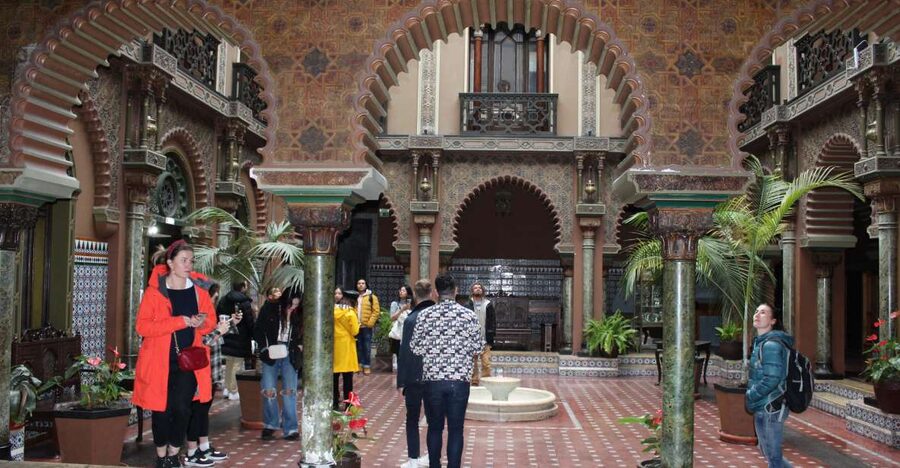
Reviewed · HISTORICAL TOURS
Lisbon: African History and Heritage Walking Tour
Lisbon can feel like it was built for postcards, but this African History and Heritage walking tour makes the city’s African connections impossible to ignore. I love how it links Alfama’s Moorish beginnings to later chapters of Portuguese life, and I also like the way stops like Chafariz D’El Rei turn social history into something you can literally see. The main drawback is practical, it is a 3.5-hour walk with hills, so come with solid shoes and skip it if you have mobility limits.
You meet your guide at A Padaria Portuguesa, then you head through the old heart of Lisbon: Campo das Cebolas, Praça do Comércio, Baixa, and Rossio. In different groups, I heard names like Jose and Al, plus Alcides and Alfie, and the consistent theme is clear, kind, thorough storytelling plus real answers to questions. You will leave with a sharper sense of how African presence shaped Lisbon, not just in one era, but across centuries.
Key highlights you will actually notice
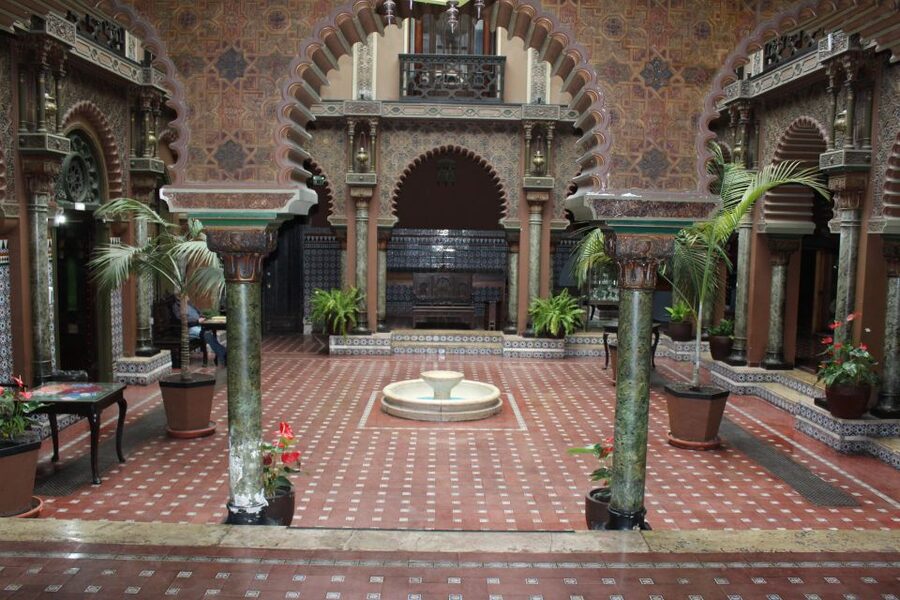
- Alfama’s Moorish start: the neighborhood that helps explain early North African influence in Lisbon
- Chafariz D’El Rei and social class: a fountain used to explain how hierarchy was built into daily life
- Campo das Cebolas and early slave arrivals: the port area tied to the start of the transatlantic slave route
- Praça do Comércio’s role in the slave trade: a landmark square turned into a history lesson
- Rua Cor de Rosa and lived integration: African women and society, discussed directly and respectfully
- Rossio station and colonial-era symbolism: Manueline architecture connected to European colonial thinking
Why Lisbon’s African story fits best on foot
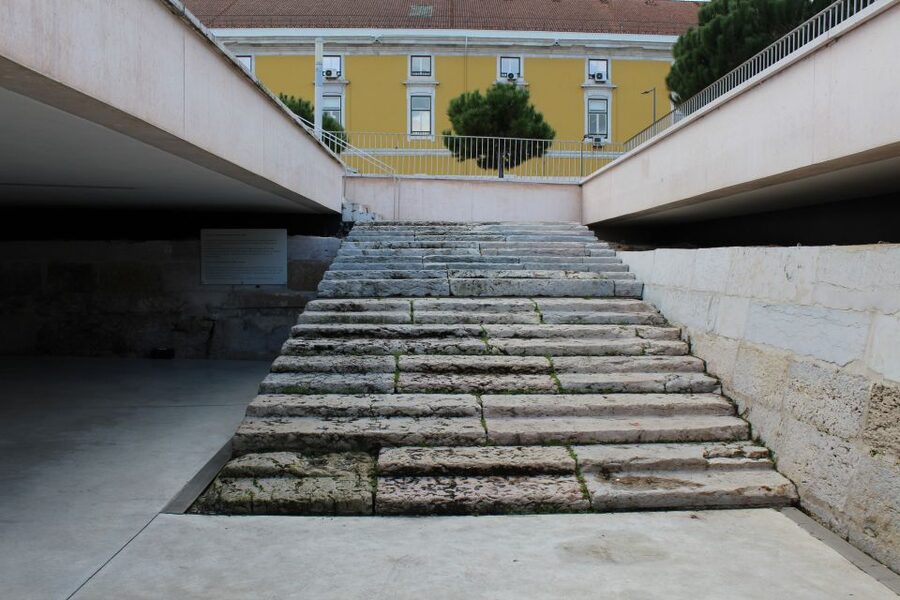
Lisbon rewards slow walking. This tour uses that fact in a smart way. Instead of treating African history as a separate topic, you see it threaded through the city’s key places, from street-level details to major public squares and religious sites.
It also tackles something important: the difference between knowing dates and understanding people. Here, you are not just learning that Portuguese-African connections happened. You learn why they shaped neighborhoods, architecture, religion, and everyday power. That matters, because you can’t really grasp Portuguese history without looking at African presence and legacy.
At $176 per person for a 3.5-hour walking tour, you are paying for something more focused than a general sightseeing loop. You get a live guide, plus a bottle of water, and you use the whole time to connect the dots. Food is not included, so plan to handle that on your own. And yes, you should expect some uphill walking, so take that seriously.
If you prefer tours that feel honest and direct, with real context, this one is a strong match. The subject matter includes slavery and social hierarchy, so keep your expectations aligned, this is a history walk, not a casual stroll.
More walking tours in Lisbon:
- Lisbon: History, Stories and Lifestyle Walking Tour
★ 4.8 · 10,902 reviews - Best of Lisbon Small-Group Guided Walking Tour
★ 5.0 · 4,869 reviews - Lisbon: Food and Wine Small Group Walking Tour
★ 4.9 · 4,082 reviews
Starting at A Padaria Portuguesa, then into Alfama’s Moorish roots
You meet at A Padaria Portuguesa, and from there the tour quickly grounds you in Lisbon’s oldest neighborhood, Alfama. Alfama is the kind of place where the stone and the slopes tell a story. The Moors founded the area, and that early North African influence becomes your first anchor.
This is not just a geography lesson. It helps you understand how connections between Portugal and Africa were not always about later colonial power. In Alfama, you get a framework for roots, movement, and long-term contact. The guide uses the neighborhood to set the tone for what follows: African presence as part of Lisbon’s foundation, not a footnote.
Practical tip: this is a walking tour, so you will be moving between stops on real streets. If you get sore feet easily, think about arriving with time to settle after. Comfortable shoes are not optional here.
Chafariz D’El Rei: when a fountain shows social class
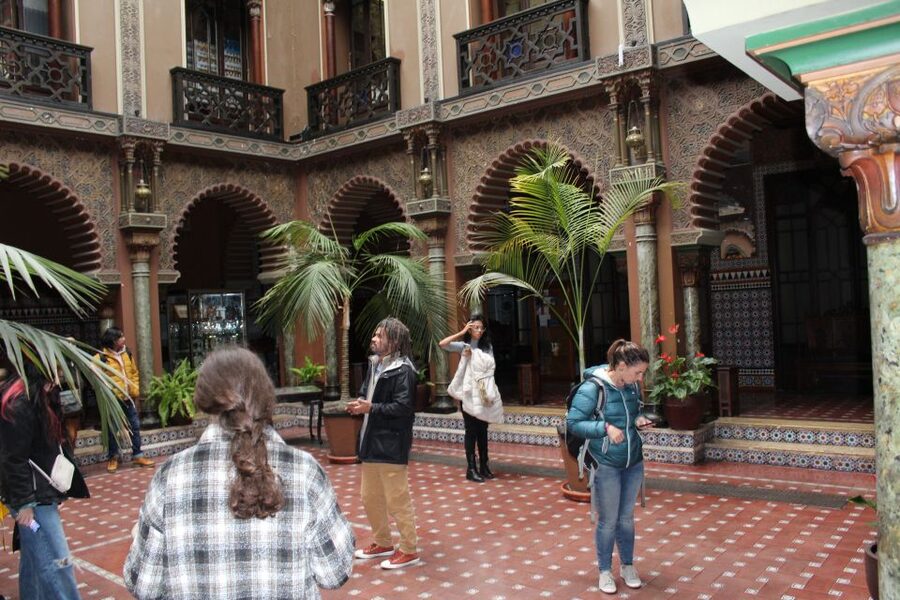
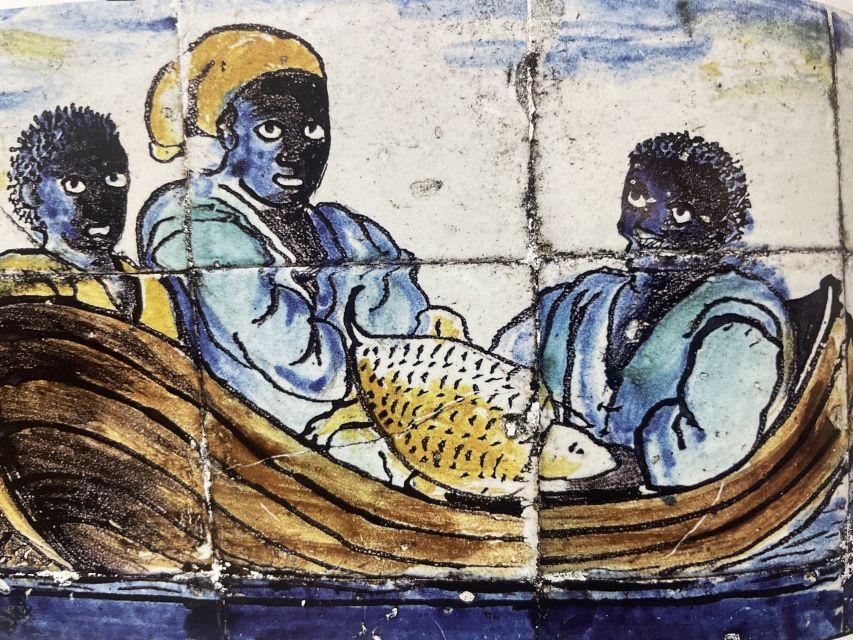
One of the tour’s most memorable teaching tools is Chafariz D’El Rei. A fountain might sound like a random stop until the guide explains what it symbolizes. The point is how social classes were represented in the built environment, and how Africans were included in that picture.
This is where the tour’s style clicks. You are not being shown a plaque and sent away. You are getting a way to read Lisbon. Once you understand the fountain as a social marker, you start noticing similar patterns around the city: who is seen, who is served, who gets space, and who gets pushed to the margins.
This part also sets up the later story of the slave route. You are learning to connect economics and power to physical places. That makes the next stops hit harder, in a good way.
Campo das Cebolas and the port story behind the transatlantic slave route
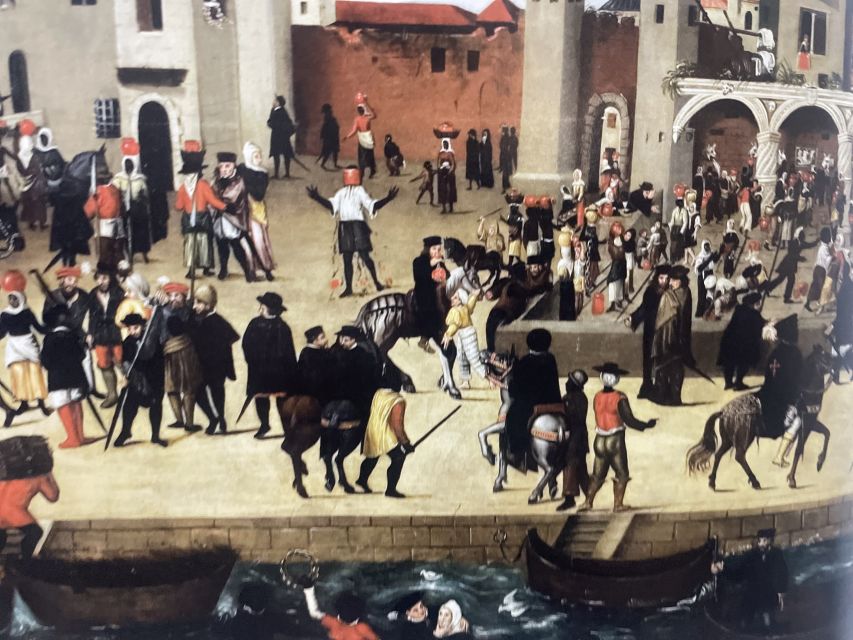
Then you move to Campo das Cebolas, a former port area. This stop is tied to one of the most consequential movements in Atlantic history: the arrival of enslaved Africans in Europe, and the beginning of the transatlantic slave route in Lisbon.
You do not just hear the headline. You connect the port setting to the bigger mechanism: trade routes, ships, and a system that depended on human lives. The guide frames the port area as a crossroads where Lisbon’s economy and African suffering became directly linked.
This is also where you might notice a shift in emotional weight. Some tours stay abstract when talking about slavery. This one keeps the link to specific places, which can feel intense. If you want history with substance, this is that. If you prefer everything light and fluffy, you may find it a lot.
A few other ways to do Lisbon
- Lisbon: Live Fado Show with Port Wine in Historic Center
★ 4.7 · 4,166 reviews - Lisbon: Fado Show with Wine in a Historic Venue
★ 4.8 · 1,294 reviews - Explore Lisbon by Tuk Tuk: History and Viewpoints
★ 5.0 · 840 reviews - Lisbon: Daytime or Sunset Boat Cruise with History and Wine
★ 4.9 · 819 reviews
Praça do Comércio and Baixa: where major events and forced commerce meet
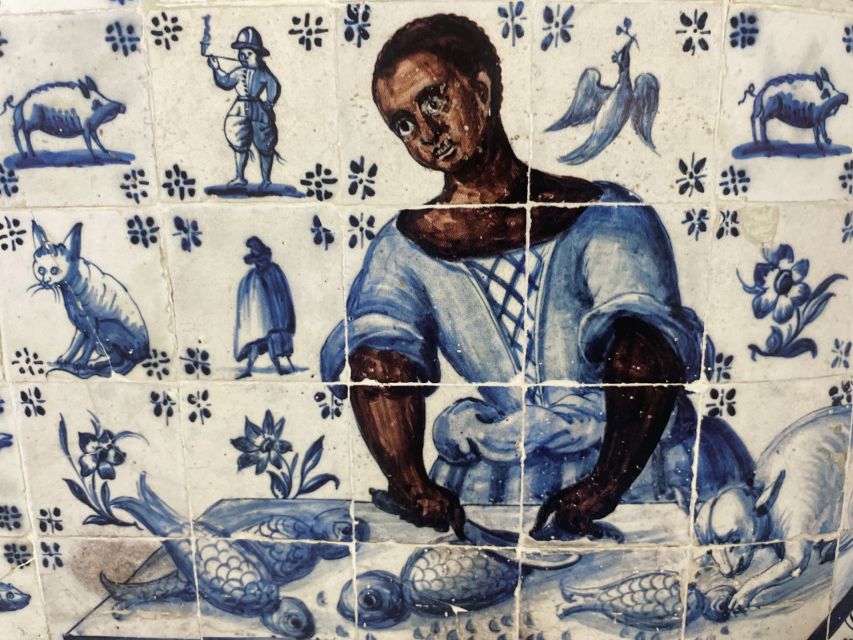
Next comes Praça do Comércio, one of Lisbon’s most emblematic squares. The guide uses it as a history stage, including its importance in the slave trade. Standing in a grand public space, you get a jarring contrast: Lisbon’s monumental image versus the reality of commerce built on exploitation.
After that, you spend time in Baixa, Lisbon’s central district. Baixa was destroyed by the 1755 earthquake, which gives the guide a useful entry point. Reconstruction and power always follow catastrophe, and Lisbon’s rebuilding becomes part of the story of how people and ideas reorganized.
For your understanding, Baixa also works because it is a place of mixing. You talk about interaction of Africans in Portuguese society, and how integration did not happen in a single clean line. It was shaped by law, work, religion, class, and proximity. You start seeing Portuguese society as something made by contact and conflict.
Rua Cor de Rosa: African women and the realities of service and survival
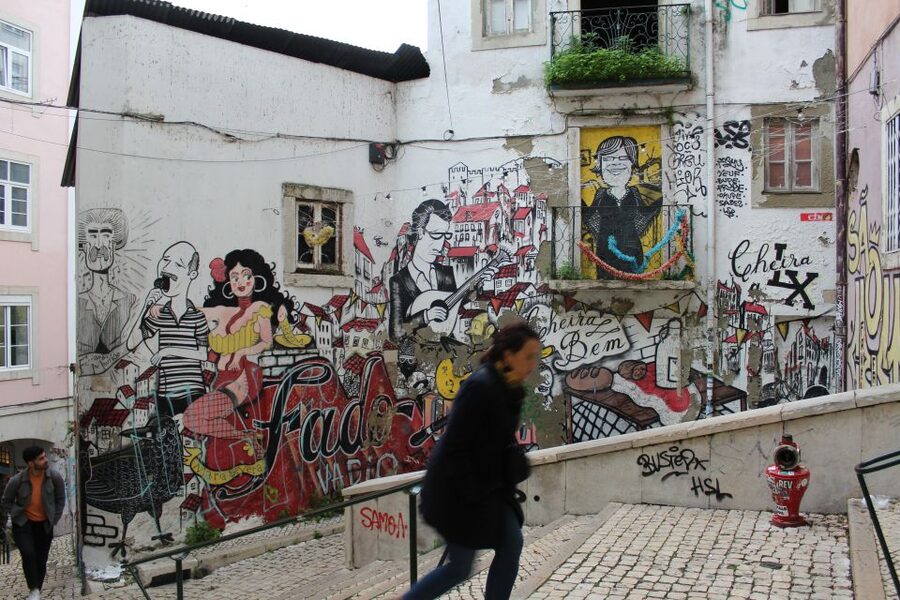
Rua Cor de Rosa comes up for a reason. This is the stop where the tour addresses African women providing services. It is not framed as sensational gossip. It is used to explain how African people were present in Lisbon’s social and economic life, in ways shaped by the constraints of the era.
If you care about understanding how history plays out in ordinary streets, this is a valuable segment. It takes African presence out of the realm of distant power politics and puts it into the realm of daily life. That makes the whole tour feel more complete.
You may also find this stop emotionally difficult depending on your comfort level. The tour does not sugarcoat the past, and it does not try to protect you from the truth. That honesty is part of why people rate it so highly.
Rossio and S. Domingos: Catholic integration and the 19th-century symbolism of colonial Europe
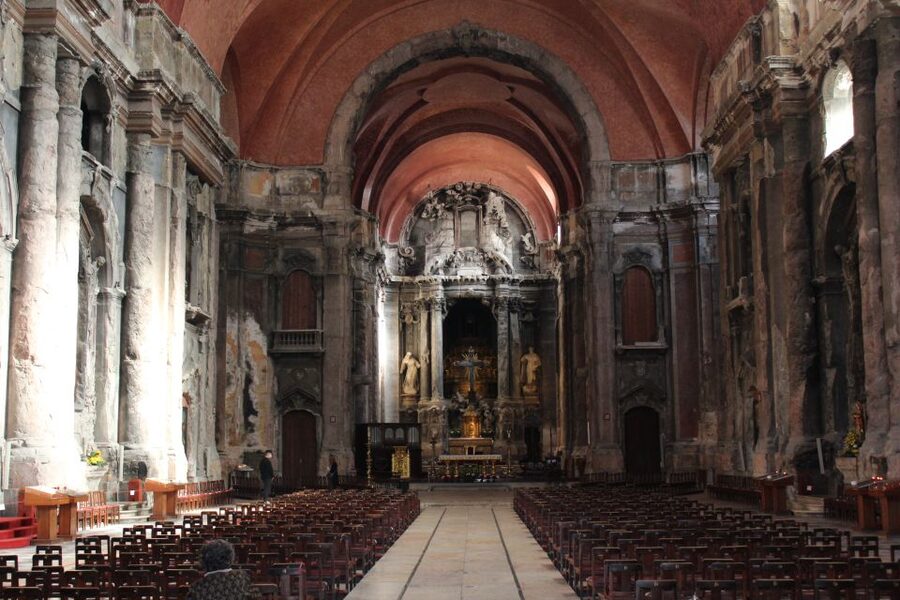
The route culminates around Rossio and Church of S. Domingos. Rossio is central and busy by nature, and the tour uses that setting to talk about integration and the creation of colonies. The key idea is that Portuguese interaction with Africa was never only geographic. It became institutional, political, and tied to European strategies for domination.
At Church of S. Domingos, you get the religious side of integration. The guide explains how Africans were integrated into Catholicism and points to achievements within that system. It is a careful way to talk about faith without pretending conversion was simple or equal.
Then you look at the Rossio train station, built in the 19th century with Manueline architecture. The guide connects this style to Portugal’s golden-time claims among European powers, especially in relation to colonial thinking after events like the Berlin Conference of 1884. It is a strange connection on the surface, until you realize what the station represents: prestige, state identity, and the era when European powers carved up Africa.
The best part is how the guide keeps it grounded in place. You are not just hearing about colonial logic, you are seeing a symbol of it.
Price, walking pace, and who this tour fits best
Let’s talk value. At $176 per person for 3.5 hours, you are paying for a focused route with a live guide and a bottle of water. What you do not get is food, and there is no hotel pickup. In other words, you should treat this as a history appointment, not a drop-in attraction.
If you are the kind of traveler who likes context, you will appreciate how the tour uses architecture, squares, fountains, and churches to tell a coherent story. The guides also tend to handle questions well. Several people highlighted that their guides answered thoroughly and filled in gaps that a standard sightseeing tour would skip.
You should book this if you:
- want a route built around African heritage across multiple eras
- like tours that make you read the city like a document
- prefer direct, respectful historical honesty
- don’t mind walking uphill on real Lisbon streets
You should think twice if you:
- have mobility impairments, since the tour is not suitable
- prefer very light, entertainment-style content
- get uncomfortable with topics tied to slavery and social hierarchy
Also, take seriously the comfort factor. One practical tip from past participants is simple, wear comfortable shoes and be ready for uphill walking.
Should you book this Lisbon African Heritage tour?
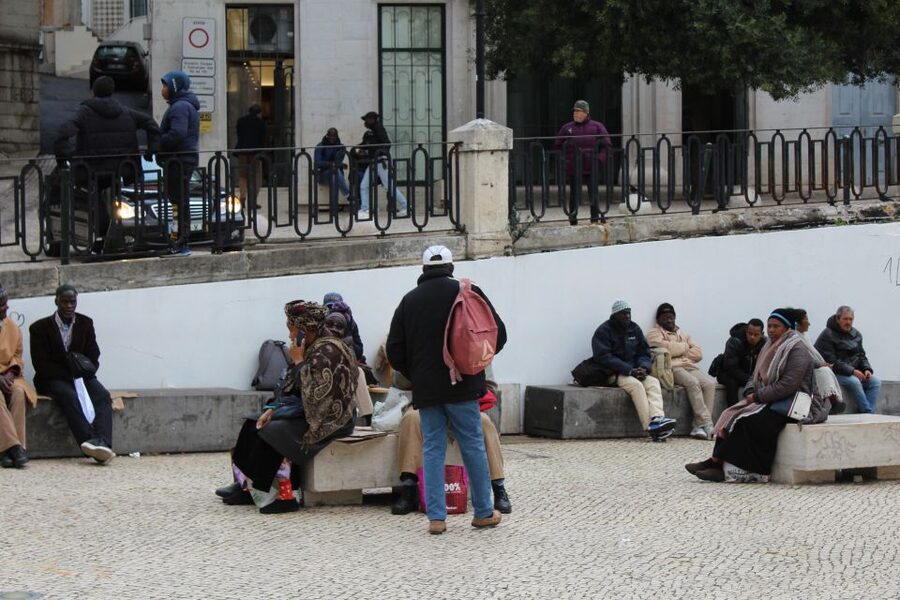
I think it is a strong yes if you want Lisbon history that includes African people as central, not accidental. The route links key sites, from Alfama to Rossio, into a single story about roots, trade, religion, and power. And the guide-driven format matters here, because the meaning of many stops is not obvious until someone explains it.
Book it if you want to leave Lisbon with more than views. You will come away with better city-reading skills and a clearer sense of how African legacy shaped Portugal in ways you can still see.
Skip it if you cannot do uphill walking, or if you are looking for a casual overview rather than an honest, place-based history walk.
FAQ
How long is the Lisbon African History and Heritage Walking Tour?
The tour lasts 3.5 hours.
Where do I meet the guide?
Meet your guide at A Padaria Portuguesa.
What’s included with the tour price?
The tour includes a live guide, a walking tour, and a bottle of water.
Is hotel pickup or drop-off included?
No. Hotel pickup and drop-off are not included.
What languages are available for the guided tour?
The tour is offered with a live guide in English, Spanish, and Portuguese.
Can I cancel, and is the tour suitable for mobility impairments?
You can cancel up to 24 hours in advance for a full refund. The tour is not suitable for people with mobility impairments.
Newly reviewed in Lisbon
- Lisbon: Private Food Tour – 10 Tastings with Locals★ 4.8 · 73 reviews
- Lisbon: Private Custom Tour with a Local Guide★ 5.0 · 6 reviews
- Lisbon: 2 hours Private City Highlights Tuk-Tuk Tour for two★ 5.0 · 5 reviews
- Lisbon: City Sightseeing Tour★ 4.9 · 13 reviews
- Lisbon: Private Christmas Lights Tour by Eco Tuk Tuk★ 4.9 · 51 reviews
- Lisbon: Private Catamaran Charter for up to 18-People★ 5.0 · 7 reviews
- Lisbon: Private Boutique Boat Tour – Sail in Style★ 5.0 · 87 reviews
- Lisbon: Private Boat Trip, Guided Walking Tour, Bike & Tram★ 4.8 · 116 reviews
Historical Tours, compared.

Live Fado Show with Port Wine in Historic Center
Read our review →
Explore Lisbon by Tuk Tuk: History and Viewpoints
Read our review →
Daytime or Sunset Boat Cruise with History and Wine
Read our review →
Private Tuk Tuk Tour Through Lisbon’s Historical Streets
Read our review →
Lisbon Sunset Sailing with Portuguese Wine and History
Read our review →
Guided Tuk-Tuk Tour Along the Historic Tram Line 28
Read our review →Browse the lists this tour appears in