
Reviewed · LISBON
Lisbon Awakens: A Culinary Crossroads, Reborn.
Lisbon Awakens is interesting because it treats food like a map. You taste your way through neighborhoods and landmarks, with guides connecting what’s on your plate to trade, religion, and daily life. I especially like the small-group feel (max 7), and I love the history-to-food stories that make pastries and spices feel personal. One drawback to consider: you should come ready to eat, since you’ll sample a lot and the day can be a bit of a walk.
This is a 5.5 hour, English-language tour that starts and ends at Jardim da Estrela. You’ll visit Basilica da Estrela, Mercado de Campo de Ourique, Jardim da Parada, and Igreja do Santo Condestável, with the stops timed so you get a generous meal’s worth of bites along the way.
Key things to look forward to
- Max 7 travelers, so your guide can actually answer questions
- Sweet-to-savoury tastings that add up to a real meal, not “one bite per stop”
- Tour stops chosen for local context, from churches to neighborhood markets
- Custard tart focus at Jardim da Parada, framed with visual details like 19th-century tiles
- Culinary stories with named guides, including Kika, Inês, Gisela, Laura, Celia, and Martim in the rotation
A Lisbon Food Tour That Connects Past and Pastry
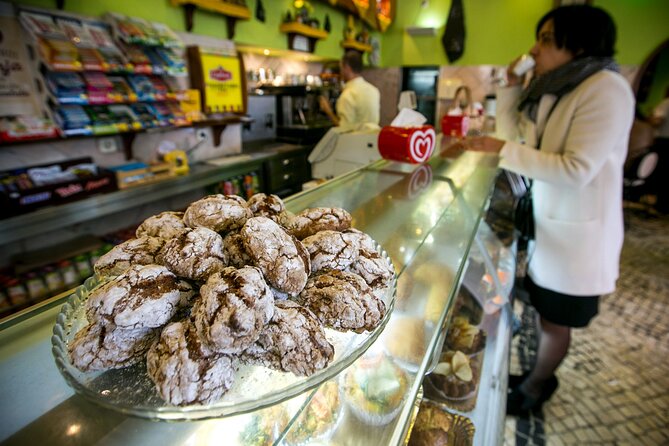
Lisbon can feel like a collection of viewpoints. This tour flips that. Instead of selling you postcard order, it guides you through a lived-in route where convent traditions, local markets, and modern neighborhood life all show up in what you eat.
You’ll notice the pacing is built around appetite. The tastings move from earlier, often lighter bites into bigger, more satisfying samples. That’s why I think this works best early in your stay: you learn the food logic of the city, then you can shop and order with confidence later.
I also like how the experience is structured around specific places, not a generic “food crawl.” Basilica da Estrela and the nearby green spaces put you in a setting where Portuguese pastry culture and religious heritage naturally connect. Then the market stop at Campo de Ourique grounds everything back to everyday buying and eating.
One more thing: the tour is designed for conversation. People often mention guides like Kika (also known as Francesca), Inês, Gisela, Laura, and Celia for storytelling. Even if your guide isn’t one of those exact names, the format stays the same, and it’s the stories that tie the flavors together.
Keep exploring Lisbon — readers rate these highly:
- Lisbon City Center Tour – The Unmissable Lisbon
★ 5.0 · 22,234 reviews - Lisbon: Sintra, Pena, Regaleira, Cabo da Roca & Cascais
★ 4.7 · 19,656 reviews - Lisbon: Jerónimos Monastery Entrance Ticket
★ 4.1 · 14,164 reviews
How the Small-Group Walk Works (and why it matters)
This is capped at 7 travelers, which changes the vibe. In a big group, you hear snippets and keep moving. Here, you tend to get follow-up questions and more tailored explanations, especially around Portuguese cuisine and why certain ingredients show up again and again.
You’re also on a route that’s close to public transportation, so it’s easier to fit into a day than a tour that starts across town. And because the tour starts at Jardim da Estrela and returns there, you’re not scrambling for a plan after the final bite.
The route is mostly about tasting and stopping, not sprinting. Still, this is a walking tour. If your mobility is limited, you should take that seriously, even though the experience states that most travelers can participate. I’d plan simple shoes and a water bottle just in case.
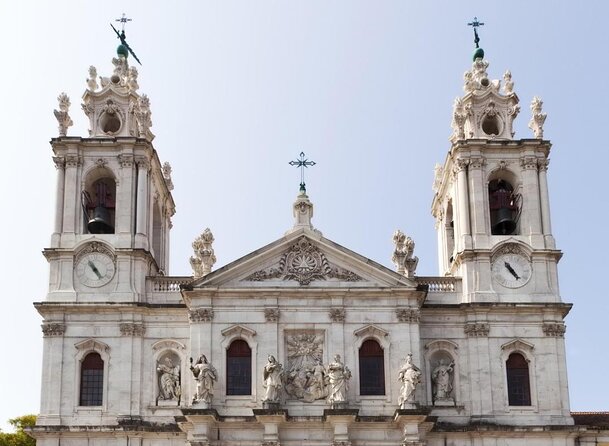
Stop 1 at Basilica da Estrela: Pastry, spices, and the religious side of Lisbon
Your first anchor is Basilica da Estrela, with a focus on how food traditions grew alongside convent life and church culture. The tour frames this as history you can taste, not history you memorize.
What you’ll do here is less about rushing inside for a quick photo, and more about connecting the setting to ingredients and habits. Portuguese pastries and spice blends are part of the story, because they didn’t appear in a vacuum. Lisbon has long traded, borrowed, and reworked flavors, and religious institutions played a big role in how certain desserts became known.
Practical tip: give yourself enough time for this start. If you arrive tense or rushed, you’ll miss the early “setup” part of the day, which is when your guide often gives the food roadmap. Several guides in the rotation, including Kika and Inês, are praised for pacing the information so it lands while you taste.
Admission for this stop is listed as free, so you’re not hit with an extra ticket just to begin.
Stop 2 at Mercado de Campo de Ourique: A neighborhood market where locals shop
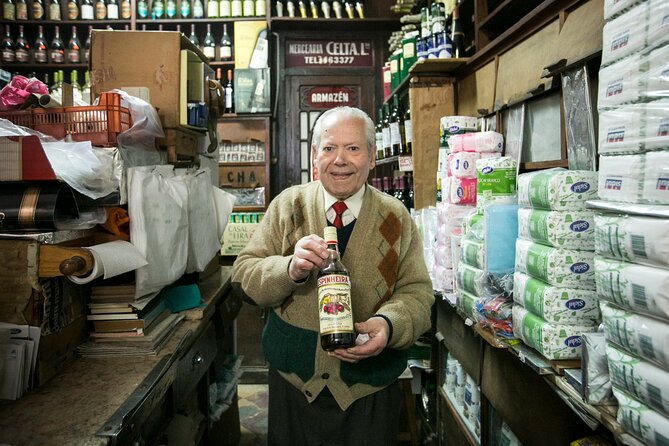
Next comes Mercado de Campo de Ourique, in the neighborhood of Campo de Ourique. This isn’t presented as a “big tourist market.” It’s smaller, and that’s the point. You get a more local view of how food shops function and how variety shows up in everyday purchasing.
Here, you’ll explore stalls and sample items tied to the market environment. The value is in the contrast. After Basilica da Estrela, you shift from heritage storytelling to daily buying, where you can see how the same flavors show up in different forms.
One reason people love this stop is how it turns the tasting into discovery. You’re not just handed items. You’re shown the context of why those items are there and what role they play in Portuguese eating culture.
A personal-sounding detail that keeps showing up in the guide style is the “small interactions” moment. In one example, the market stop includes meeting someone at a stall and sampling from there. Even if your tour doesn’t include the exact same person, you can expect a market experience that feels human, not scripted.
Another side of Lisbon for the same trip:
- Lisbon: History, Stories and Lifestyle Walking Tour
★ 4.8 · 10,902 reviews - Lisbon: Sunset Boat Party Cruise with DJ and Open Bar
★ 4.5 · 10,378 reviews - Lisbon: Pena Palace, Sintra, Cabo da Roca, & Cascais Daytrip
★ 4.7 · 9,981 reviews - Lisbon: Oceanário de Lisboa Entrance Ticket
★ 4.6 · 9,943 reviews
Stop 3 at Jardim da Parada: Custard tarts with tiles and trees as the backdrop
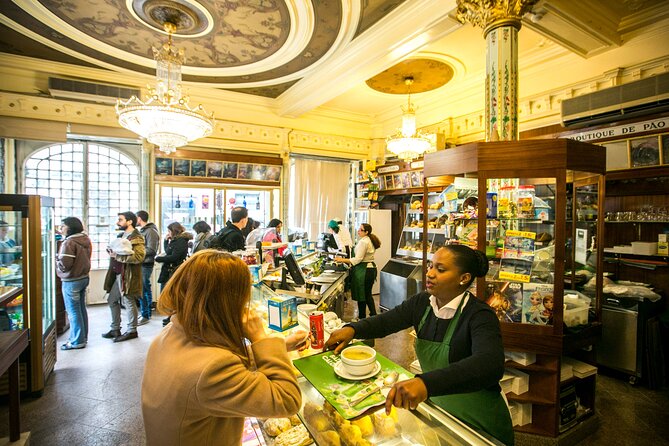
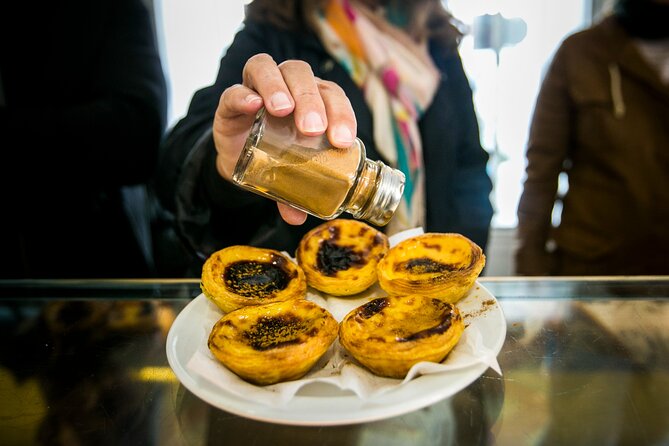
Then you reach Jardim da Parada, and this is where the day often turns into a full reset for your senses. This stop is built around tasting some of the best custard tarts in the city, with the visual backdrop of 19th-century tiles and trees.
Why this works: custard tarts are one of those foods that carry a story in every bite. They’re delicate, specific, and strongly associated with Portuguese pastry identity. When you pair them with a garden setting and decorative details, the sweetness feels less like a sugar hit and more like a cultural marker.
You’ll likely get a chance to sit, slow down, and ask questions. The tour time here is enough that you’re not just standing in a line. You’re tasting in place, which also helps you pace yourself before the final church stop.
If you have a sweet tooth, this is your payoff moment. If you don’t, you can still enjoy it because the guide framing helps you understand the ingredient logic and why the tart texture matters.
Stop 4 at Igreja do Santo Condestável: New Gothic, artist-writer Lisbon
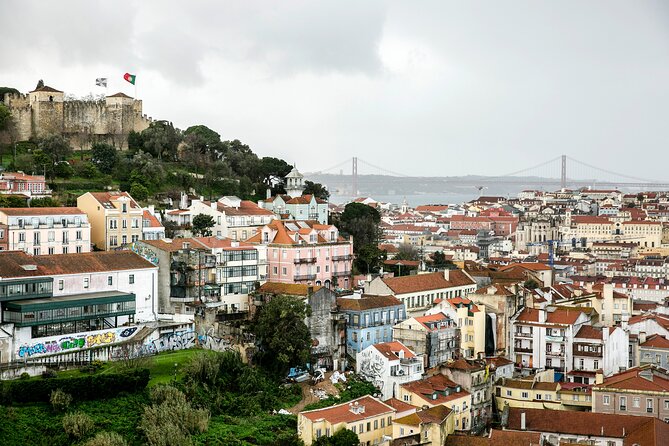
The last stop is Igreja do Santo Condestável, a newer Gothic church in a neighborhood linked with artists and writers. The tour keeps the story moving from food origins to modern city life.
This stop is shorter, and that’s fine. It acts like a closing chapter. You’ve already learned how traditions form, and you end with a sense of how Lisbon continues to generate culture in its neighborhoods.
The practical benefit is that it gives you a final landmark to connect with the day’s ideas. You’ll walk away with the feeling that Lisbon isn’t just “old buildings and viewpoints.” It’s a working cultural system, and food is part of it.
What You Actually Eat and Drink on the Lisbon Awakens Route
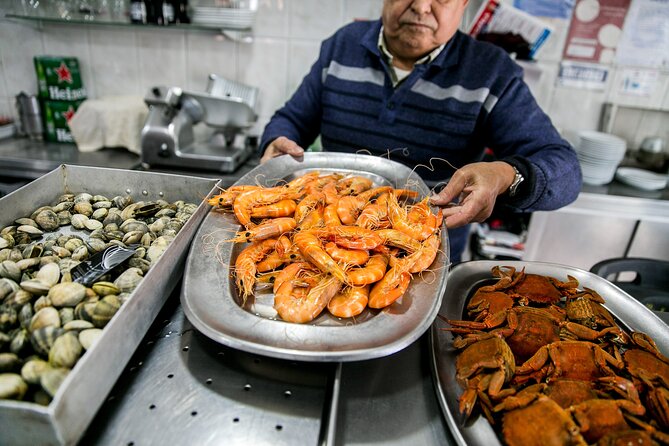
The highlight promise is that you’ll try enough bites and samples to add up to a generous meal. You’ll also notice the tastings are usually set up with balance in mind, often starting on the sweeter side and moving toward savory finishes.
From the guide approach described in the experience, you should expect more than one type of food. The day is designed to cover a spread, with samples connected to Portugal’s culinary traditions and the city’s global influences.
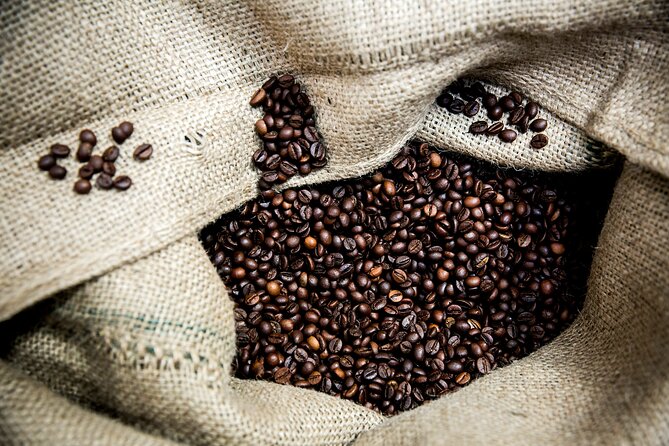
You may also encounter coffee and other Portuguese drinks as part of the tasting rhythm. In examples of how different guides run the day, you’ll see mention of coffee, wines, and spirits paired with the food samples. That’s a good sign for value because it means you’re not paying for a tour that just hands you food without context.
Important prep note, repeated in real advice: don’t eat a big meal right before you start. The tour is built for appetite. If you show up full, you’ll miss the “everything clicks” feeling that makes the day memorable.
Price and value: Is $150 worth a 5.5-hour food day?
At $150 per person, you’re paying for three things at once:
- A guided route that links food to place and story
- Multiple tasting stops, not just a single bite here and there
- A small-group format that makes the experience feel personal
What helps justify the price is the structure. It’s long enough to feel like a real outing, around 5 hours 30 minutes, and it ends back where you started, which saves you time planning transport afterward.
Also, since the stop admissions are listed as free for the main sites, you’re less likely to run into surprise add-ons just to access the landmarks. The real cost is the guidance and the tasting program, and that’s exactly where the day’s reputation comes from.
If you’re trying to choose between squeezing in one food tour or doing lots of small self-guided stops, I think this one has an advantage. You get a guided framework plus enough tasting volume to replace a normal meal.
Pace, walking comfort, and how to plan your day
The tour is a walking experience, and while it says most travelers can participate, you should plan realistically. Your total time is 5.5 hours, and there are four stops. That means you’re on your feet for much of the day, with short breaks for tastings.
Your best strategy is to build the rest of your day around this experience. If you can, treat it as your main event. Many people advise putting it early in the trip so you can use what you learn as your guide for the rest of your Lisbon stay. It’s also fine later on as a “finishing touch,” because it can help you spot what you missed and order more confidently.
Food-wise, I’d plan:
- a light breakfast or none at all, if you can
- water before you meet, and then let the tour do the rest
If you have dietary restrictions, the tour requests that you send them ahead of time. That’s the right move so the guide and partners can plan tastings accordingly.
Who should book Lisbon Awakens, and who might not
Book this if you want a Lisbon food tour that feels like it has a point. It’s great for first-time visitors who want to understand why Portuguese pastries, spices, and market foods are the way they are. It’s also a strong choice if you like talking with your guide and getting explanations that help you order better later.
It’s especially suited to people who enjoy history when it’s practical, not just dates. The day ties church settings, market habits, and pastry culture together, so the “why” stays connected to what you’re eating.
Skip it or reconsider if:
- you hate walking, even short hops between stops
- you prefer restaurant meals over sampling and standing
- you arrive already full and aren’t willing to adjust your timing
Should You Book Lisbon Awakens: A Culinary Crossroads, Reborn?
Yes, if you want a small-group Lisbon food experience that combines meaningful storytelling with enough tastings to feel like a proper meal. The strongest reason to book is the way the day links food to real places, from Basilica da Estrela to Jardim da Parada, without turning it into a rushed checklist.
Also, pick the day that fits your energy. If you can place it early in your trip, you’ll likely feel it most because you’ll carry the food context into your next meals. If you’re a planner, plan to arrive hungry but not cranky, wear comfortable shoes, and send your allergies or dietary needs ahead.
If that sounds like you, Lisbon Awakens is one of the better ways to get beyond the surface of Lisbon’s food scene and understand the city through what it chooses to taste and share.
FAQ
How much does Lisbon Awakens cost?
It costs $150.00 per person.
How long is the tour?
It runs about 5 hours 30 minutes.
Where do you meet, and where does the tour end?
You meet at Jardim da Estrela, Praça da Estrela 1200-667 Lisboa, Portugal, and the tour ends back at the meeting point.
What language is the tour offered in?
The tour is offered in English.
How big is the group?
The group size is limited to a maximum of 7 travelers.
Are there any entry fees for the stops?
The listed admissions for the stops are free.
What should I do if I have allergies or dietary restrictions?
You should send your allergies or dietary restrictions when booking, so the team can accommodate you.
Does weather affect the tour?
Yes. The experience requires good weather, and if it’s canceled due to poor weather, you will be offered a different date or a full refund.
Newly reviewed in Lisbon
- Lisbon: Private Food Tour – 10 Tastings with Locals★ 4.8 · 73 reviews
- Lisbon: Private Custom Tour with a Local Guide★ 5.0 · 6 reviews
- Lisbon: 2 hours Private City Highlights Tuk-Tuk Tour for two★ 5.0 · 5 reviews
- Lisbon: City Sightseeing Tour★ 4.9 · 13 reviews
- Lisbon: Private Christmas Lights Tour by Eco Tuk Tuk★ 4.9 · 51 reviews
- Lisbon: Private Catamaran Charter for up to 18-People★ 5.0 · 7 reviews
- Lisbon: Private Boutique Boat Tour – Sail in Style★ 5.0 · 87 reviews
- Lisbon: Private Boat Trip, Guided Walking Tour, Bike & Tram★ 4.8 · 116 reviews