
Reviewed · WINE TOURS
Lisbon: Cultural Food and Wine Walking Tour
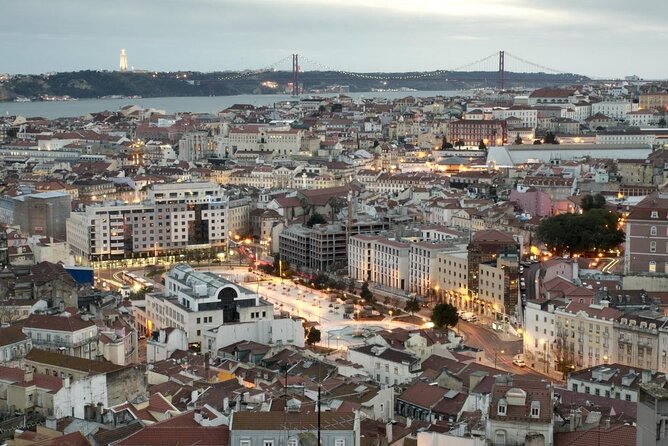
This Lisbon walking tour is interesting because it turns a simple stroll into a lesson in Portuguese food and wine, moving from Rossio Square into Lisbon’s more traditional Mouraria area. You’re not just eating, you’re also hearing the stories behind the classics as you hop between local stops.
I especially like the way the tour tackles real favorites, starting with codfish cake paired with green wine and then moving to comfort food like bifana with a cold beer. I also like that the guide energy matters, with past guides such as David and Julia praised for pacing and for tailoring the experience to different tastes.
One possible drawback to plan around: this is a walking food tour with many short photo and sightseeing breaks plus a lot of tastings. If you get full fast, or you prefer slow, sit-down dining, you might find the pace a bit intense.
Key highlights you will feel on the walk
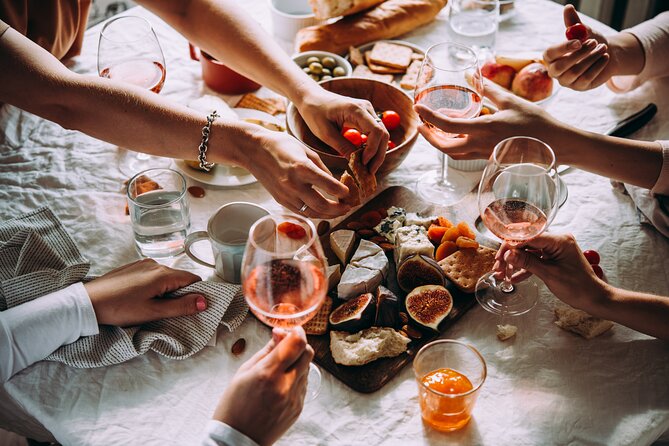
- 14 different tastings of food and drinks spread across the 3 hours
- Petiscos style stops so you eat like locals, not like a set menu
- Classic pairings including codfish cake with green wine, bifana with beer, and port wine moments
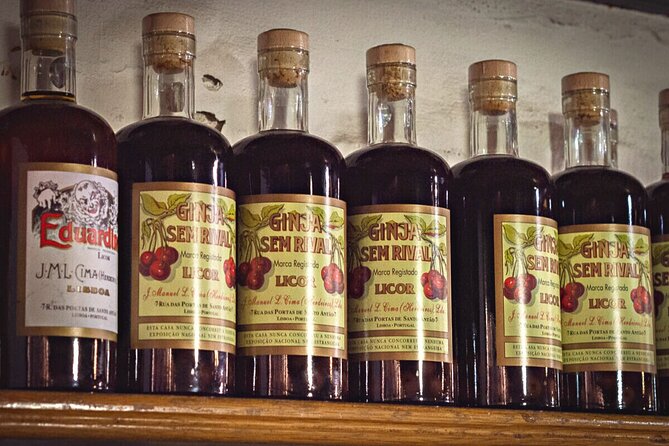
- Ginjinha in an old bar for a very Lisbon kind of toast
- Small group limit of 10 for easier chatting with the guide and other food lovers
- Rossio Square to Mouraria for both downtown landmarks and older, more local streets
Why Rossio to Mouraria works for Lisbon food
Lisbon food is easiest to understand when you experience it in the places where it actually happens. This tour does that by linking the central starting point at Rossio Square with the more traditional Mouraria district, where you tend to find older bars, small counters, and straightforward, unfussy eating.
The result is that you get two kinds of Lisbon in one half day. You get the scenic, landmark part that helps you get your bearings, and you also get the neighborhood energy where Portuguese gastronomy feels everyday, not staged. For me, that combination is the sweet spot.
And because the tour is built around tastings, you learn by doing. You can connect the dots between stories, ingredients, and local habits, like why codfish cake is such a durable tradition or how port wine became part of Portuguese identity.
More wine tastings and vineyard trips:
- Winner 2025 Undiscovered Lisbon Food & Wine Tour by Eating Europe
★ 5.0 · 6,390 reviews - Lisbon: Live Fado Show with Port Wine in Historic Center
★ 4.7 · 4,166 reviews - Lisbon: Food and Wine Small Group Walking Tour
★ 4.9 · 4,082 reviews
What you will taste: from petiscos to dessert
This tour is designed for people who want more than a snack. You should expect a sequence of stops that adds up to a real meal experience, roughly 14 different tastings between food and drinks.
Here are the big categories you’ll run into.
Petiscos style food you can actually learn from
Portuguese petiscos are like tapas in spirit, but the details are local. You’ll try four typical petiscos with paired local drinks and wines, which is the tour’s core idea: you taste, then you understand the why behind it.
If you’re the type who likes to order small things so you can sample more, you’ll feel at home here. If you prefer one big dish, you might need to shift your mindset and treat this as a guided sampler.
Codfish cake and green wine: a Lisbon combo
One of the most specific moments on the tour is the Portuguese codfish cake paired with green wine. You’ll also hear the historical reason behind the tradition, which helps turn a familiar comfort food into something with context.
Green wine is typically served chilled and made for easy sipping, which works well in a walking format. It also acts like a palate reset between richer bites.
A few other ways to do Lisbon
- Lisbon Small-Group Food Tour with 18 Tastings in Alfama District
★ 5.0 · 1,967 reviews - Lisbon: Baixa District Food Tour with Dinner and Drinks
★ 4.9 · 1,870 reviews - Devour Lisbon: The Ultimate Portuguese Food Tour
★ 5.0 · 1,782 reviews - Lisbon Food Tour with 10+ Tastings of Local Delicacies & Wines
★ 5.0 · 1,339 reviews
Bifana with beer, plus the classic bar staples
Next comes a very Lisbon kind of grab-and-go: bifana, a pork sandwich you’ll pair with a cold beer. This part feels simple, but that’s the point. You’ll see how Portuguese casual food can be satisfying and deeply rooted.
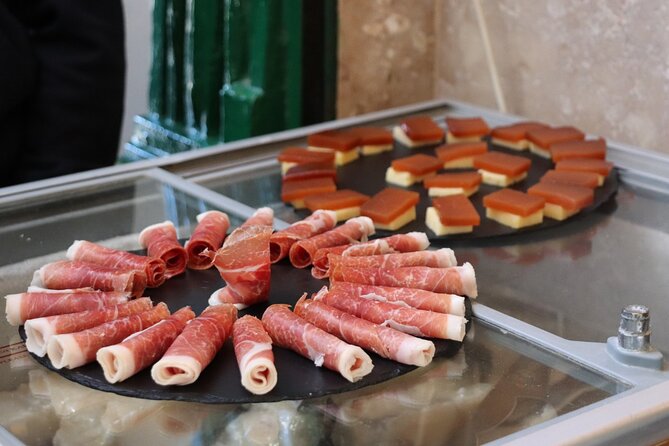
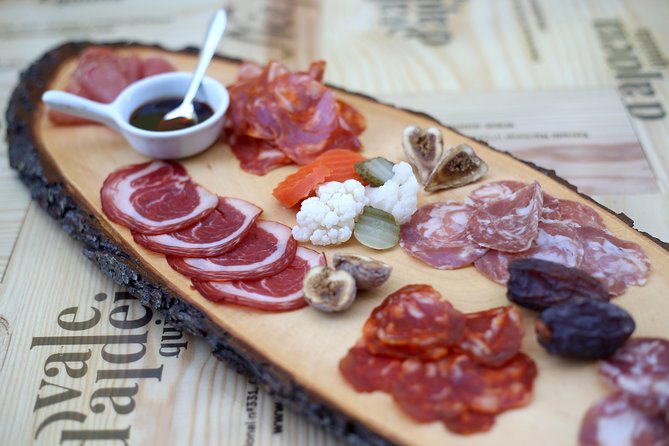
You’ll also taste port wine along with other traditional items like marmelada, broa, ham, and cheese. That spread matters because it shows you how Portuguese flavors often move between sweet, savory, and bread-based comfort.
Ginjinha, and a sweet ending
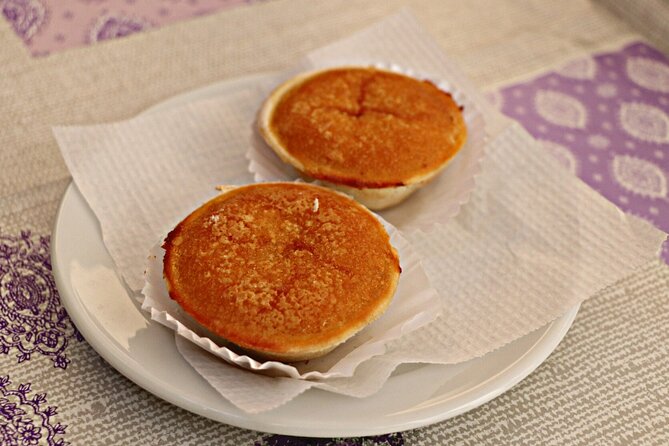
The tour includes ginjinha liquor, a Lisbon signature usually enjoyed in traditional bars. You’ll also get coffee and pastry at the end, plus an extra savory moment with an exotic snack and then something sweet to close things out.
So you’re not only tasting the heavy hitters. You’re getting the arc most locals would recognize: savory starts, wine and spirits mid-walk, coffee and pastry at the finish.
Walking itinerary, with Rossio orientation and Mouraria flavor stops
You meet at Rossio Square, in front of the D. Pedro IV statue. That location is a practical anchor because it’s in the heart of Lisbon, easy to reach, and a good starting point for a walking tour without long transit.
From there, the tour alternates between short sightseeing/photo moments and time at traditional eating spots. The photo breaks include several quick stops, including Praça da Figueira. Expect the walk to feel guided rather than rushed.
The first sightseeing breaks: get your bearings fast
Early on, you’ll have a photo stop and sightseeing time that helps you map the area. Even if you’ve seen Lisbon photos online, these small stops usually help you understand where streets curve, where squares sit, and why the city feels the way it does.
A small group matters here. You can look, ask questions, and then move on without the group line feeling like a conveyor belt.
Praça da Figueira: a useful mid-route landmark
At Praça da Figueira, you get another short photo stop and sightseeing time. This gives you a sense of how the central area connects to the older neighborhoods you’ll reach later.
The drawback is that you can’t treat these breaks like a museum visit. They are quick, meant for orientation and context, not deep sightseeing.
Into traditional streets: Mouraria’s story-led stops
The description of the tour calls out the move from downtown into very traditional Mouraria. That’s where the tastings start to feel most local, with fewer tourist patterns and more everyday bar and snack culture.
This part is also where the guide’s storytelling earns its keep. You’ll learn historical reasons behind traditions and hear the story behind port wine. Even if you already know port as a drink, you’ll likely hear a more local explanation tied to Portuguese routines.
Photo stops toward the end, then back to Rossio
Near the finish, you’ll have more photo/sightseeing stops, then you return to Rossio Square. If you want to keep the day going, you’ll end in a location that’s easy to branch out from, whether that means heading to another neighborhood or finding a late lunch or dinner.
Drinks and pairings you should pay attention to
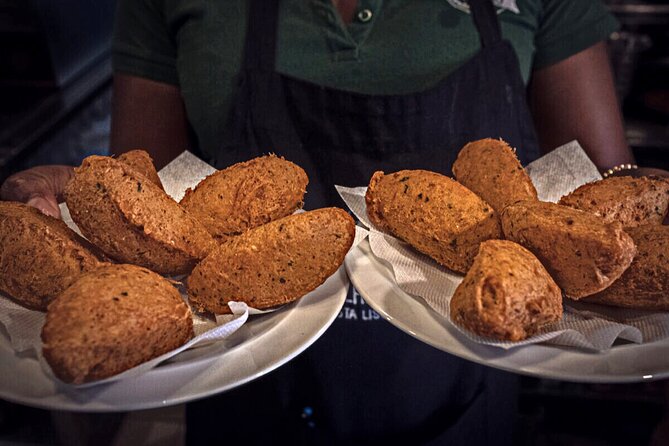
Lisbon’s food culture makes more sense when you notice how drink choices match the bites. This tour leans into that with local drinks and wine pairings at multiple stops.
Green wine and beer: easy sips for a walking schedule
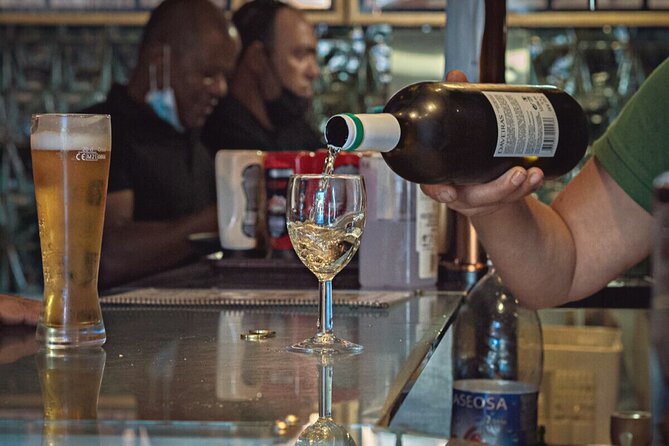
Green wine appears early with codfish cake, and beer shows up alongside bifana. These are practical picks for a 3-hour walk. They keep things refreshing, and they don’t require you to slow down too much between tastings.
Port wine with the savory spread
You’ll also taste port wine, paired with items like ham, cheese, and other traditional components. Pairings like this help you understand how Portuguese dining often flips between savory richness and sweet notes.
Ginjinha: a small ritual with a big identity
Ginjinha liquor is included too. This is less about being fancy and more about tasting something that feels like Lisbon culture, often tied to old bars and local habits. It’s a good moment to pay attention to how it’s served and discussed because the tour explicitly frames it as a toast.
Ask for adjustments if you have needs
One positive detail from past experiences is that guides have gone out of their way to adjust the tour to match different tastes and requirements. If you avoid certain ingredients, or you prefer to limit alcohol, it’s smart to ask about options before you book so the guide can plan the tastings accordingly.
Small group energy: why the guide can make or break it
This is a small-group tour, limited to 10 participants, led in English by a live guide. In practice, that small size changes the feel of the tour.
You’re more likely to get direct answers to questions, and the guide can keep a steady flow without losing people at every turn. That matters a lot on a food tour, because you want everyone to hear the context before you take the first bite.
Past guides such as David and Julia have been praised for local knowledge, great pacing, and for keeping the group engaged. David in particular is described as adjusting to everyone’s tastes, which is exactly what you want on a guided tasting route.
One thing to keep in mind: because the guide drives the timing, it’s best to arrive on time at the D. Pedro IV statue. On walking tours, being late can mean missing the early tastings that set the tone.
Price and value: $104 makes sense if you eat like this
At $104 per person for about 3 hours, you’re paying for far more than a walking route. You’re paying for a full guided food and drink sequence, including multiple tastings and pairings.
What you get is not just one meal. The included items list includes petiscos with paired drinks and wines, codfish cake with green wine, bifana with beer, port wine plus marmelada, broa, ham, and cheese, ginjinha liquor, coffee and pastry, and even an extra snack with red and green wine mentioned as part of the tastings.
So the value equation is this: if you would normally spend money on multiple snacks, drinks, and a coffee-and-sweet stop anyway, this package gives you structure and local context. If you only want one or two bites, or you prefer to drink water and skip alcohol, you may feel the price is heavier than the actual benefit.
Practical tips before you go
This tour is a walking experience, so treat it like one. Wear comfortable shoes because the route is designed to move between squares and traditional streets.
Plan for a full tasting meal. Even though it lasts just 3 hours, the number of food and drink moments adds up, including a sweet finish.
If you have questions about what you’ll eat and drink, use the early part of the tour to ask. The guides who run this well tend to adjust to the group’s needs, and the small group size makes it easier to get a straight answer.
Also, since the tour includes alcohol like beer, green wine, port wine, and ginjinha, decide ahead of time where you stand. You can still enjoy the stories and food without getting hammered, but you should be realistic about how many drinks are part of the structure.
Who this Lisbon food and wine walk is best for
You’ll probably love this tour if you:
- want Portuguese food explained in context, not just listed
- enjoy tasting lots of small things like petiscos
- like pairing food with drinks and learning why
- prefer a small group size over crowded bus energy
You might want to skip or look for a different format if you:
- dislike walking, or want long sit-down restaurant time
- can’t handle alcohol tastings included as part of the flow
- prefer deep sightseeing only, not food-first pacing
Should you book this Lisbon Cultural Food and Wine Walking Tour?
Book it if you want an efficient, local-feeling way to eat your way through Lisbon in just 3 hours. The combination of 14 tastings, the Rossio-to-Mouraria route, and guide-led stories like the historical reason behind codfish cake and the story behind port wine make it more than a food crawl.
Skip it if your ideal day is slow and seated, or if you want a minimal drinking plan. In that case, the structure and included drinks might feel like too much.
If you do book, show up at the D. Pedro IV statue on time, go in hungry, and treat each stop like a mini lesson. That’s when the tour delivers the most value.
More Walking Tours in Lisbon
- Lisbon: History, Stories and Lifestyle Walking Tour
★ 4.8 · 10,902 reviews - Best of Lisbon Small-Group Guided Walking Tour
★ 5.0 · 4,869 reviews - Best of Lisbon Walking Tour: Rossio, Chiado & Alfama
★ 4.9 · 2,700 reviews - Age of Discoveries Walking Tour in Belém
★ 5.0 · 1,513 reviews
Newly reviewed in Lisbon
- Lisbon: Private Food Tour – 10 Tastings with Locals★ 4.8 · 73 reviews
- Lisbon: Private Custom Tour with a Local Guide★ 5.0 · 6 reviews
- Lisbon: 2 hours Private City Highlights Tuk-Tuk Tour for two★ 5.0 · 5 reviews
- Lisbon: City Sightseeing Tour★ 4.9 · 13 reviews
- Lisbon: Private Christmas Lights Tour by Eco Tuk Tuk★ 4.9 · 51 reviews
- Lisbon: Private Catamaran Charter for up to 18-People★ 5.0 · 7 reviews
- Lisbon: Private Boutique Boat Tour – Sail in Style★ 5.0 · 87 reviews
- Lisbon: Private Boat Trip, Guided Walking Tour, Bike & Tram★ 4.8 · 116 reviews
Wine Tours, compared.
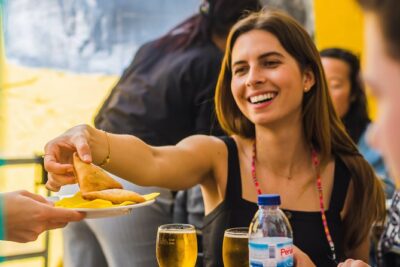
Winner 2025 Undiscovered Lisbon Food & Wine Tour by Eating Europe
Read our review →
Live Fado Show with Port Wine in Historic Center
Read our review →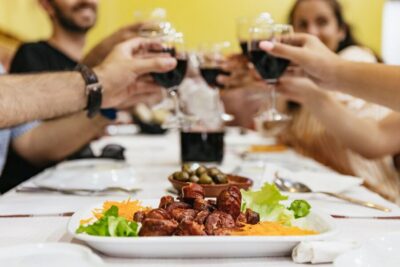

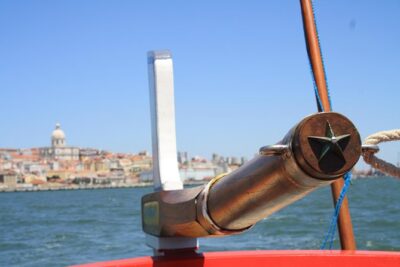
2-Hour Lisbon Traditional Boats Sunset Cruise with White Wine
Read our review →
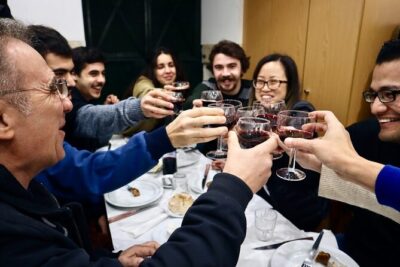
Lisbon Food Tour with 10+ Tastings of Local Delicacies & Wines
Read our review →
Browse the lists this tour appears in