Reviewed · TOURS
Lisbon: Highlights and Hidden Gems Tour
What makes this Lisbon walking tour interesting is how it links the city’s layers, Romans to Moors, monarchy to dictatorship, disaster to rebuilding, in a route you can actually follow on foot. I love the story-driven route that turns landmarks into cause-and-effect, and I like the small group size that keeps the pace human when you’re stepping into tight corners. The one drawback is that it’s very history-focused, so if you mainly want modern neighborhoods, food tours, or music-and-nightlife vibes, this may feel a bit academic.
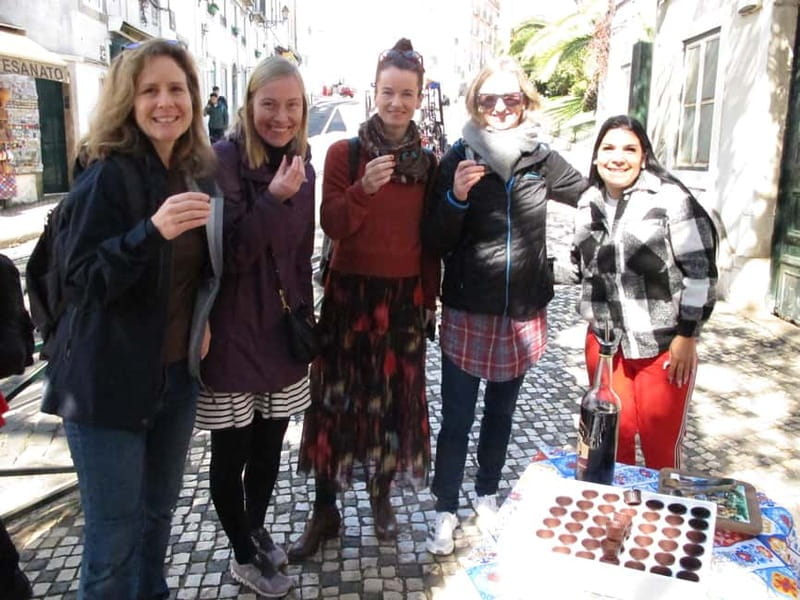
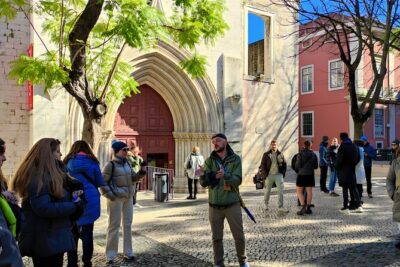
You’ll cover a big chunk of central Lisbon in just 2.5 hours, starting in Graça and working up toward the Castle area before finishing in Praça do Comércio, the former Royal Palace site. Along the way, you get street art (including a portrait of fado singer Amália Rodrigues), plus a taste of a Lisbon classic, pastel de nata or ginginha, depending on what’s available.
Key Things You’ll Notice on This Lisbon Walk
- Graça first, not last, so you get the feel of Lisbon’s hillside life early.
- São Vicente monastery as a quiet anchor point with royal burials and royal England connections.
- Street art stops that match the history theme, not random photo stops.
- 1755 earthquake damage you can see directly, including a buried street and earthquake-resistant rebuilding in Baixa.
- Castle area highlights like medieval walls and the Roman theatre zone.
- Finish at Praça do Comércio, where the Royal Palace story and statue meanings land clearly.
Walking From Graça to the Castle: Lisbon’s Layers, Made Simple
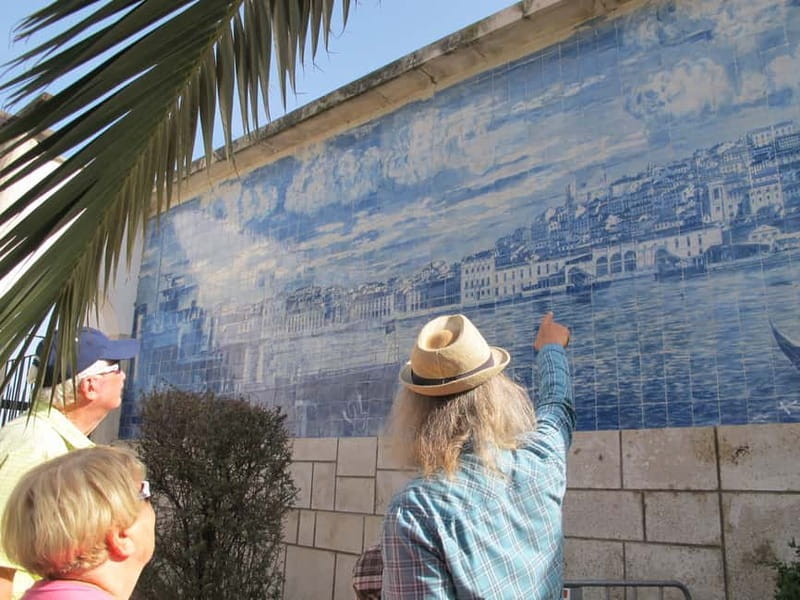
If Lisbon can feel like a blur of viewpoints and pastel buildings, this tour is built to slow you down. Instead of jumping from sight to sight, it gives you a storyline. That matters here, because Lisbon’s landmarks only make sense when you know what came before them.
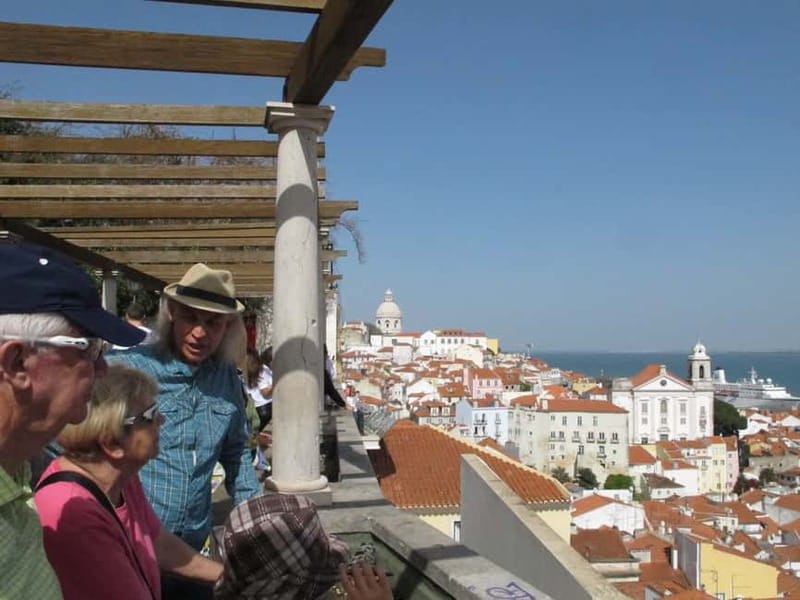
The walk starts in the Graça area, where you’ll visit a church and old workers’ housing. This is a good choice for your first views of Lisbon because it grounds you in daily life, not just big monuments. Even if you’ve seen photos of Lisbon’s tiles and rooftops, this part helps you understand why the city grew the way it did, and how ordinary neighborhoods sit next to major historic sites.
As you move along, you’ll also be pointed toward Lisbon’s street art. One standout is a portrait connected to fado, specifically Amália Rodrigues. The tour uses art as a kind of cultural map, linking music, identity, and public memory. It’s a reminder that history here is not only in stone. It’s on walls, too.
Practical tip: wear shoes that can handle uneven pavement. You’ll be walking for about 2.5 hours, and the route includes hilly segments and narrow lanes, the kind where you stop, look up, and then keep going.
Keep exploring Lisbon — readers rate these highly:
- Lisbon City Center Tour – The Unmissable Lisbon
★ 5.0 · 22,234 reviews - Lisbon: Sintra, Pena, Regaleira, Cabo da Roca & Cascais
★ 4.7 · 19,656 reviews - Lisbon: Jerónimos Monastery Entrance Ticket
★ 4.1 · 14,164 reviews
Graça Side Streets: Old Workers’ Housing and Church Stops That Set the Stage
Graça is where Lisbon’s story feels lived-in. The route begins with a church and old workers’ housing, and that pairing is more helpful than it sounds. Churches show belief and power. Workers’ housing shows who built the city’s energy, who served it, and who lived through change.
You’ll also get the sense that Lisbon’s history didn’t unfold in one timeline. It stacked. Each new era left marks on what came later. That’s why the tour keeps connecting periods, Celts, Romans, Visigoths, Arabs, and then the Portuguese chapters. The guide helps you connect the dots without turning it into a textbook.
One thing I appreciate about this approach is that you don’t have to be a history buff to follow it. The story stays focused on what you can see. So when the tour later points out earthquake damage, it doesn’t feel random. It feels like a consequence.
São Vicente Monastery: Royal Burials and a Real Sense of Scale
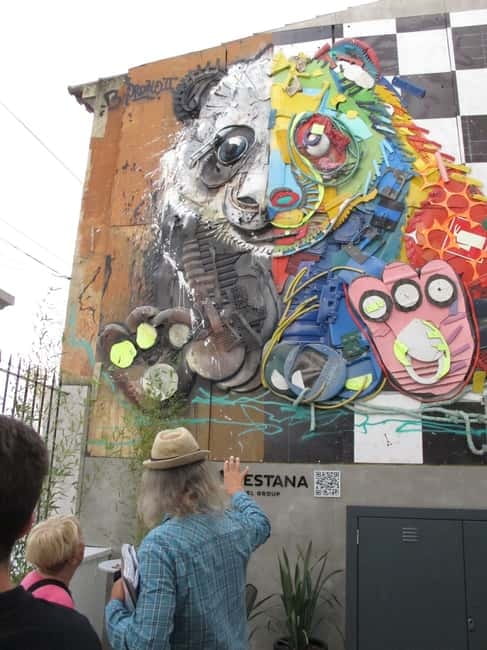
Next comes one of the most meaningful stops: the São Vicente monastery. This is where the tour shifts from street-level Lisbon to a more reflective, ordered space.
You’ll learn about burials connected to the Portuguese royal family and also the Queen of England. That detail gives you a wider lens on Lisbon’s role in European connections. It’s not just a local city story. It’s connected to courts and politics beyond Portugal’s borders.
This is also one of the best moments to catch your breath. Monasteries tend to slow the world down. You can watch how the guide frames the site, then take a quiet moment to absorb the atmosphere before you move back into the busy stone-and-stairs rhythm of the hills.
If you like tours that make you pay attention to symbolism, this is a strong stop. The monastery becomes a kind of anchor. Later, when you hear about political shifts and disasters, you’ll feel them as part of a bigger timeline.
The Castle Area Walls: Medieval Lisbon and the Big View Factor
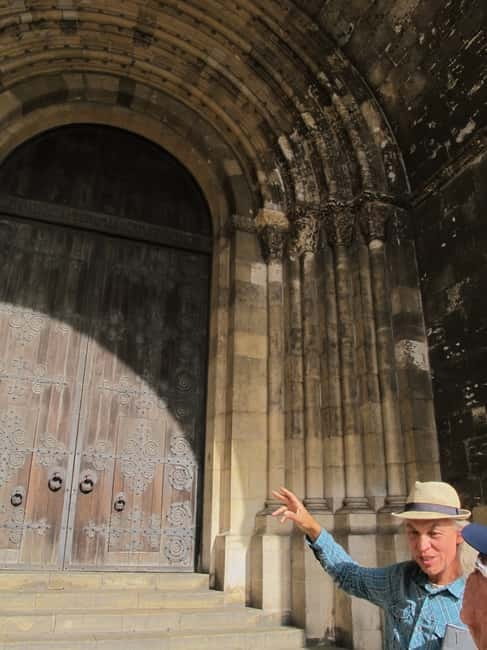
After the monastery, the tour heads toward the Castle area. This part is where you really start to feel the physical geography of Lisbon.
You’ll explore the old city walls and medieval walls, which gives you a clear picture of how Lisbon protected itself. Walls are not just scenery. They’re engineering, strategy, and fear management. Seeing them in person helps the history click.
From here, you’ll also encounter key sights tied to different eras. The tour includes the Roman theatre area, which is one of those Lisbon surprises that makes you pause. Roman ruins in a city that later became a hub of explorers is not a small coincidence. It’s proof that the same hills kept being valuable for thousands of years.
Then there’s the cathedral and its stables. That combination is useful. Cathedrals often get all the attention, but stables hint at the day-to-day reality behind religious and royal power. You’re learning how the site functioned, not just how it looked.
Practical tip: the Castle area can mean more sun and more steps depending on the season. Bring water, and aim to visit earlier in the day if you want easier walking.
Another side of Lisbon for the same trip:
- Lisbon: History, Stories and Lifestyle Walking Tour
★ 4.8 · 10,902 reviews - Lisbon: Sunset Boat Party Cruise with DJ and Open Bar
★ 4.5 · 10,378 reviews - Lisbon: Pena Palace, Sintra, Cabo da Roca, & Cascais Daytrip
★ 4.7 · 9,981 reviews - Lisbon: Oceanário de Lisboa Entrance Ticket
★ 4.6 · 9,943 reviews
Dictatorship-Era Prison and Earthquake Damage: Why 1755 Still Matters
This tour’s most unforgettable section is the earthquake trail. Lisbon’s 1755 disaster is not treated like a vague historical event. It’s shown as physical damage you can still recognize in the city fabric.
You’ll see damage from the earthquake of 1755, including a buried street. Standing near a spot like that makes the scale of destruction feel real. It’s one thing to read about earthquakes. It’s another to see how later Lisbon absorbed the impact, and how the city’s layers preserve disaster in plain sight.
You’ll also learn about earthquake-resistant building approaches in Baixa. That part matters because it turns tragedy into a story of adaptation. Lisbon rebuilt with lessons learned, and you can see the results in how the Baixa district evolved.
Then there’s the prison from the dictatorship. This stop shifts the focus from natural disaster to political violence and control. It’s a reminder that Lisbon’s history isn’t only about wars and earthquakes. It’s also about who had power, who used it, and what people endured.
If you’re the type of traveler who likes history that explains behavior, not just dates, you’ll enjoy how these stops are connected. Disaster and dictatorship are shown as forces that changed the city and the lives inside it.
Baixa Lessons and the Meaning of Lisbon’s Rebuilding
As the tour transitions toward Baixa, it keeps returning to the theme of “how the past shapes the streets.” The earthquake-resistant buildings are part of that. They represent choices made after catastrophe, and those choices still influence what you see today.
Even if you’ve walked around Baixa on your own, this tour gives you the missing context. You stop thinking of Baixa as simply central and pretty. You start thinking of it as a living record of risk management and recovery.
That changes your whole perspective. Instead of treating streets as fixed backdrops, you read them like evidence.
Street Art, Fado, and Lisbon Culture You Can Spot in Plain Sight
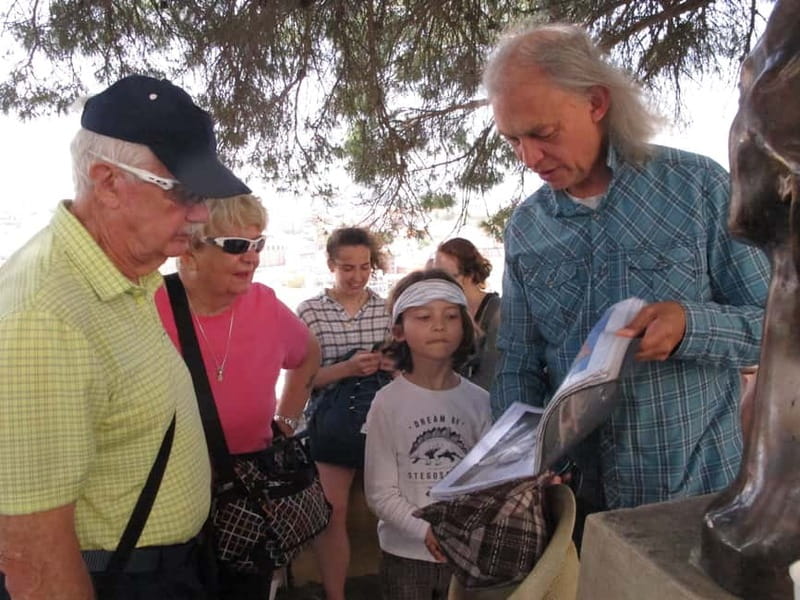
One of the tour’s strengths is that it doesn’t treat culture as an optional extra. It treats it as part of the same story.
You’ll see street art with a portrait of Amália Rodrigues, a major fado figure. This isn’t random. Fado is one of Lisbon’s most recognizable cultural exports, and a portrait like that works as a bridge between the city’s public face and its deep emotional traditions.
You’ll also notice how the guide uses these stops to help you connect Portuguese identity across time. That’s the real value of mixing street art into a history walk. It keeps Lisbon from becoming a museum. It stays a living city.
If you love taking photos, you’ll naturally have plenty of opportunities. But the best photos come when you pause first and let the story land.
Ending at Praça do Comércio: Royal Palace Memories and Statues Explained
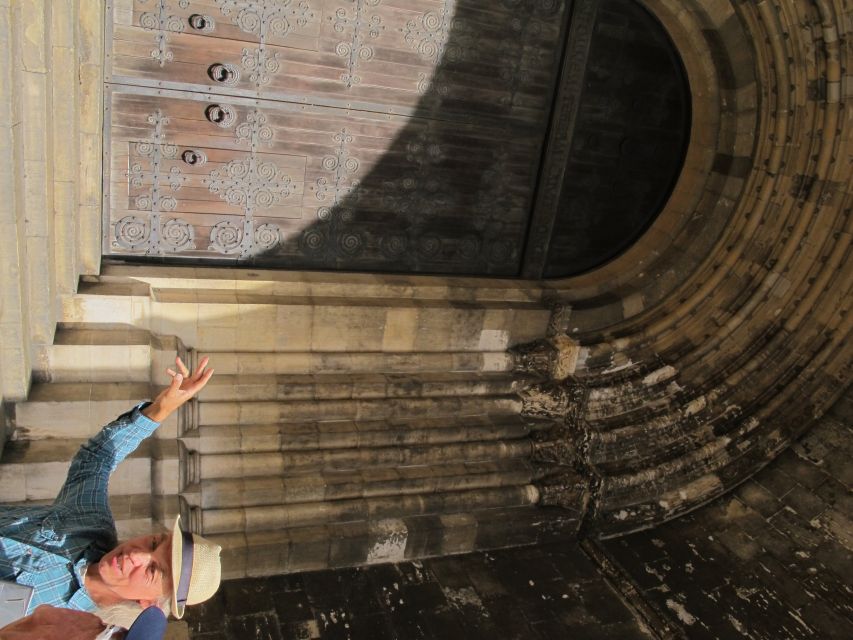
The tour finishes at Praça do Comércio, one of the most impressive squares in Europe. This is a smart end point because it’s open, bright, and easy to orient yourself afterward.
You’ll learn about what happened there over the centuries, including the fact that a Royal Palace used to sit here. That single detail helps you understand why the square feels ceremonial even when you’re just there for a stroll.
You’ll also get help with the meaning of the statues. That might sound small, but it changes how you look at the space. Instead of statues being background decoration, you see them as part of a political and historical message built into the design.
Practical tip: after the tour, use the square as your map. From here, you can branch out for viewpoints, river walks, and exploring the nearby streets at your own pace, now that you understand what you’re looking at.
Price, Pace, and Value for Money
At $40 per person for a 2.5-hour small group walk, this sits in the “good value” zone for Lisbon. You’re not just paying for walking. You’re paying for guided interpretation across a lot of different eras and multiple major zones: Graça, the monastery area, the Castle zone, and the Praça do Comércio finish.
Two things push the value up:
- Small group size (max 8) keeps the tour easy to follow, especially in tighter spaces.
- The tour includes a tasting, either pastel de nata or ginginha, which gives you something Lisbon-specific to anchor the experience.
You should think about the pace, too. This is not a long, slow meander. It’s a structured walk with stops and explanations. If you enjoy learning by walking, it’s a great deal. If you prefer to lounge and drift, you may find 2.5 hours brisk.
Also note the language options: French and English. And while the guide’s style can be story-driven, the tour is clearly built around history and city evolution, not current events or modern pop culture.
Who Should Book This Lisbon History Tour
This is a great fit if you want:
- A history-focused walk that still feels practical and visible.
- The chance to connect earthquake-era Lisbon to later rebuilding in Baixa.
- Street art plus cultural identity, not just monuments.
- A guided route that helps you read Lisbon without getting lost in trivia.
Skip it if you mainly want:
- A contemporary food and nightlife tour.
- Minimal walking, or you need step-free access.
Should You Book This Lisbon Highlights and Hidden Gems Tour?
Yes, if you’re in Lisbon for a few days and you want to get your bearings fast using real, visible history. The combination of Graça, São Vicente monastery, Castle area walls and Roman theatre, earthquake damage, and a finish at Praça do Comércio makes this one of those walks that gives you context for the rest of your trip.
Book it early in your visit if you like the idea of understanding Lisbon first, then exploring more confidently on your own afterward. Just come with comfortable shoes and the right mindset. This is a tour that rewards attention. If you’re ready for that, you’ll come away feeling like Lisbon’s past is not far away at all. It’s right there under your feet and on the walls around you.
FAQ
How long is the Lisbon Highlights and Hidden Gems Tour?
It lasts about 2.5 hours.
What is the price per person?
The price is listed at $40 per person.
Where does the tour meet and end?
The meeting point can vary depending on the option booked. The tour ends back at the meeting point.
What’s included to taste during the tour?
The tour includes either pastel de nata (cream tart) or ginginha (cherry liqueur).
What languages are the tour guides?
The live guide offers French and English.
Is the tour suitable for wheelchair users?
No. It is not suitable for wheelchair users or people with mobility impairments.
Newly reviewed in Lisbon
- Lisbon: Private Food Tour – 10 Tastings with Locals★ 4.8 · 73 reviews
- Lisbon: Private Custom Tour with a Local Guide★ 5.0 · 6 reviews
- Lisbon: 2 hours Private City Highlights Tuk-Tuk Tour for two★ 5.0 · 5 reviews
- Lisbon: City Sightseeing Tour★ 4.9 · 13 reviews
- Lisbon: Private Christmas Lights Tour by Eco Tuk Tuk★ 4.9 · 51 reviews
- Lisbon: Private Catamaran Charter for up to 18-People★ 5.0 · 7 reviews
- Lisbon: Private Boutique Boat Tour – Sail in Style★ 5.0 · 87 reviews
- Lisbon: Private Boat Trip, Guided Walking Tour, Bike & Tram★ 4.8 · 116 reviews
Tours, compared.
Lisbon City Center Tour – The Unmissable Lisbon
Read our review →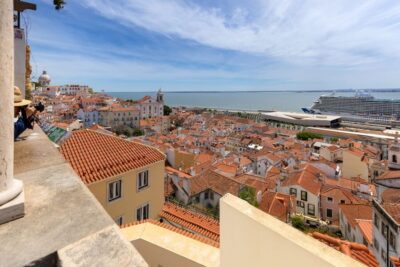

True 4Hour Private Tuk Tuk Tour: Discover Lisbon with a Local!
Read our review →
Winner 2025 Undiscovered Lisbon Food & Wine Tour by Eating Europe
Read our review →
Sintra, Pena, Cabo da Roca, Cascais Tour with Pickup
Read our review →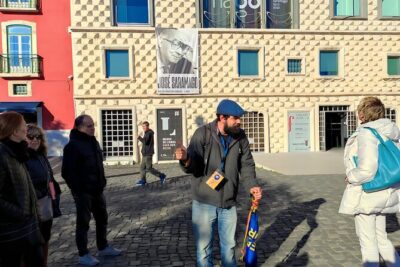

Best of Lisbon Small-Group Guided Walking Tour
Read our review →