
Reviewed · LISBON
Lisbon: Pastel de Nata Masterclass at a Real Bakery
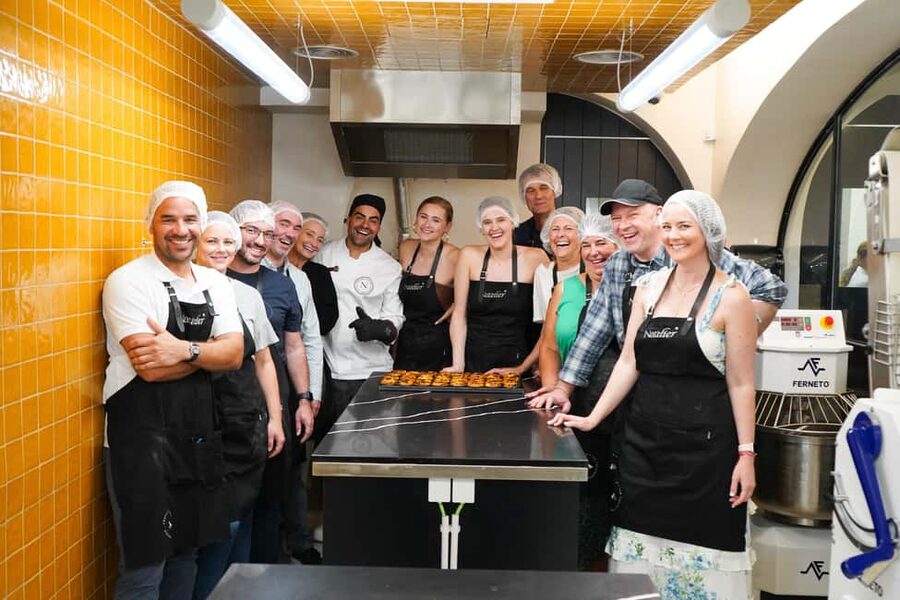
If you want a Lisbon food experience that feels real and hands-on, this Pastel de Nata masterclass is a smart pick. You work inside a real bakery kitchen and learn the custard tart technique from pros, not from a demo. The main catch is it is not for everyone, since the class is not suitable for people with mobility impairments, and the work is hands-on.
What I like most is how you get practical repetition, not just watching. Each person makes multiple tarts, and the class includes everything from aprons and hair nets to the pro setup, so you can focus on doing it right. One thing to consider is language and communication, since the workshop is in English and Portuguese, and that can affect the experience if you are not comfortable with either.
Key highlights you should care about
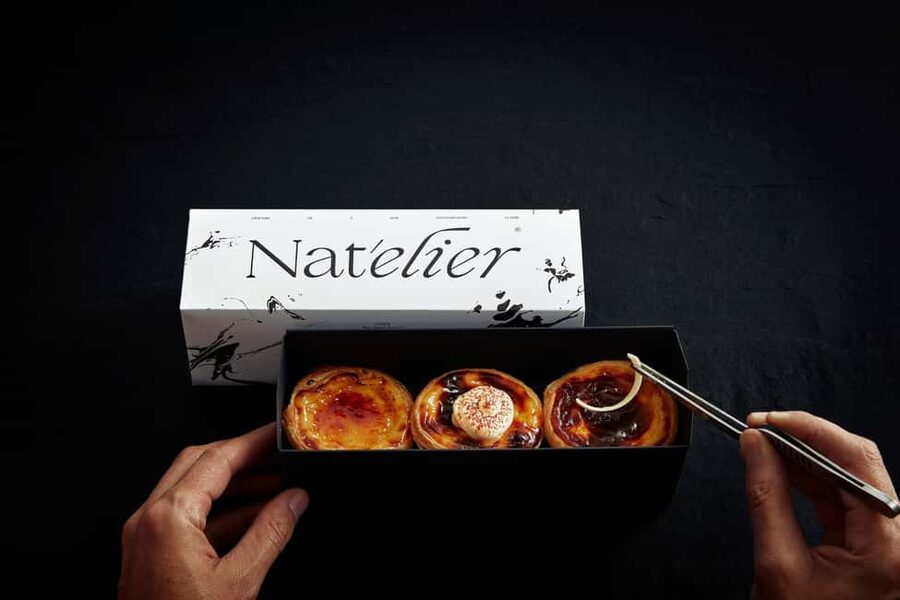
- Only Pastel de Nata class inside a real bakery kitchen in Portugal, since 2018
- Small group, max 12, with team work but plenty of hands-on time
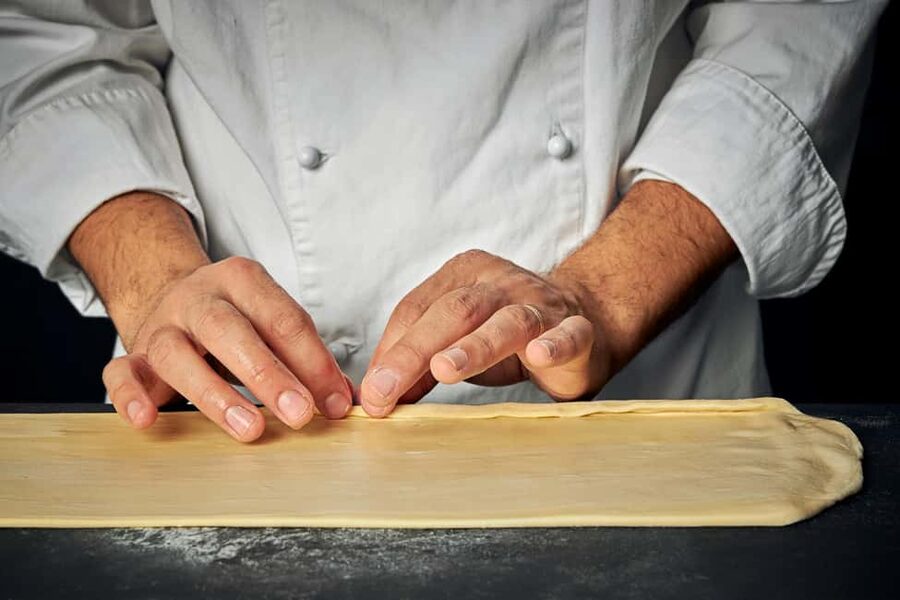
- Puff pastry from zero, including lamination steps, even if you have no experience
- You make at least 3 tarts by hand, then bake them in a professional oven
- Barista-made drink with warm pastries, plus water during the class
- Chef-taught by professionals, including João Batalha, Silvia Sousa, and Adriano Cardoso (depending on the day)
A Real Bakery Kitchen, Real Skills: Pastel de Nata the way locals do it

This is the kind of food class I trust because it is built around the actual production environment. Instead of a kitchen corner with a couple tools, you get access to a working bakery setup, where the timing and workflow make sense. That matters because pastel de nata is not just a recipe, it is technique, temperature, and the right dough behavior.
The lesson is designed so you can follow along without prior baking skill. You start with an introduction, then move straight to the pro kitchen where you learn to build the pastry and fill the custard. If you have ever eaten a perfect pastel and wondered why it tastes different from homemade, this is the course that starts to explain the difference.
Keep exploring Lisbon — readers rate these highly:
- Lisbon City Center Tour – The Unmissable Lisbon
★ 5.0 · 22,234 reviews - Lisbon: Sintra, Pena, Regaleira, Cabo da Roca & Cascais
★ 4.7 · 19,656 reviews - Lisbon: Jerónimos Monastery Entrance Ticket
★ 4.1 · 14,164 reviews
Nat’elier and Baixa-Chiado: where you meet and what to look for
You meet at the pastry store Nat’elier, right by the Baixa-Chiado metro station on the blue line. The shop is outside the metro station area, so take a moment to orient yourself before you walk in. If you have GPS, use the provided map link so you do not waste time circling the same block.
This meeting point is useful because it puts the class in a central part of Lisbon. You can pair it with a morning or afternoon exploring nearby streets, then come back to a warm, structured experience. The workshop ends back at the meeting point, so you keep your day simple.
The 2-hour flow: from pastry history to apron-up practice
The class runs about 2 hours, so it fits neatly into a travel day. The pace is not rushed, but it is also not a long lecture. You spend real time working, which is exactly what you want when the goal is to make pastel de nata and feel confident doing it again later.
It starts with an overview and a bit of Pastel de Nata history, then you gear up. You are given aprons and hair nets, and you move into the kitchen where the practical part begins. That transition, from story to station work, is part of why the class feels focused rather than chaotic.
Inside the pro kitchen: learning puff pastry from zero
Here is the part that most beginners worry about, and it is handled on purpose. You learn puff pastry from scratch, including lamination steps that help create those signature layers. Even if you have never rolled dough before, the setup is built to get you through the motions step by step.
This matters because pastel de nata has two stars, the dough and the custard. If the pastry is off, you can still make custard, but the final tart won’t have the right texture. Working in a pro kitchen also means you are using proper tools and a real oven, so your dough gets a chance to behave correctly.
Another side of Lisbon for the same trip:
- Lisbon: History, Stories and Lifestyle Walking Tour
★ 4.8 · 10,902 reviews - Lisbon: Sunset Boat Party Cruise with DJ and Open Bar
★ 4.5 · 10,378 reviews - Lisbon: Pena Palace, Sintra, Cabo da Roca, & Cascais Daytrip
★ 4.7 · 9,981 reviews - Lisbon: Oceanário de Lisboa Entrance Ticket
★ 4.6 · 9,943 reviews
The pastel technique you actually practice with your hands
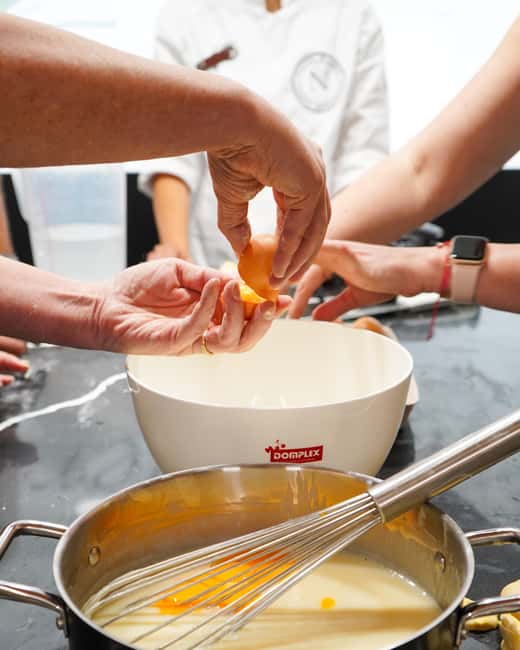
Once you have the pastry elements, you move into the core shaping and assembly. In class, everyone works together, and the goal is not to sit passively at one station. It is a “do it, then adjust” format.
A key detail is the way you handle the pastry to form individual tart shells. You learn a specific pastel de nata technique for spreading and shaping the dough. Then you fill with custard using the method your pastry chef teaches, not guesswork.
Groups are kept small, with max 12 participants, so you are not lost in a crowd. One common theme in the vibe is patience, meaning when you fumble a step, you get a correction and a clear next action. That is what turns a fun class into a skill-building one.
Custard mixing and filling: what makes it taste like Portugal
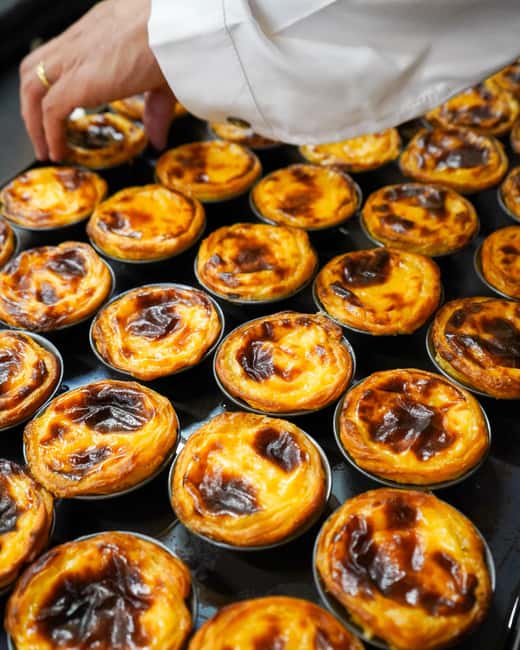
Custard is where your senses start paying attention. The course walks you through making the custard and then filling the tart shells. You do this as part of the group workflow, but you still have hands-on time so you leave with more than a memory of flavor.
The class is structured so you are not only doing steps, you are doing the right steps at the right time. That is important, because custard texture matters, and the way it bakes depends on the oven and the tart shell. The pro setting helps you learn what is realistic at home and what depends on equipment.
Baking in a real professional oven, and timing that clicks
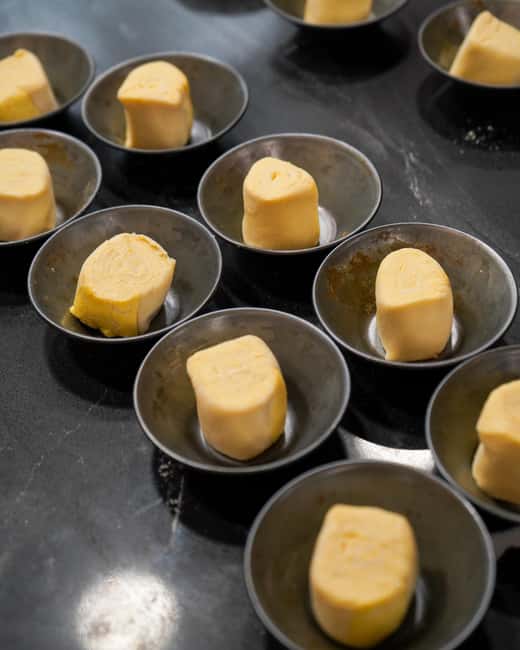
After custard goes in, the tarts go into a professional oven. This is one of the biggest reasons the class feels like more than a cooking demo. Home ovens are inconsistent, and pastel de nata depends on heat behavior. Here, you get a controlled environment where your work can actually transform.
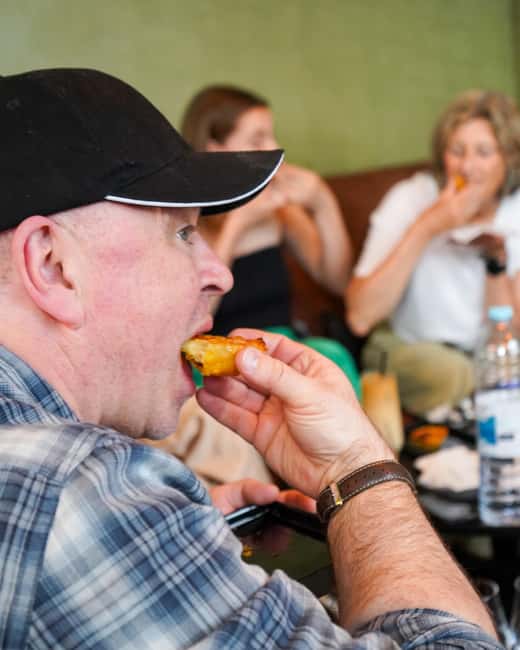
You all bake together inside the bakery setting, then you move into tasting. The payoff is immediate: warm pastries with the custard set and the pastry layers working as they should. It is the kind of result that makes you understand why people get passionate about this tart.
What you get at the end: 3 tarts, a drink, certificate, and a recipe
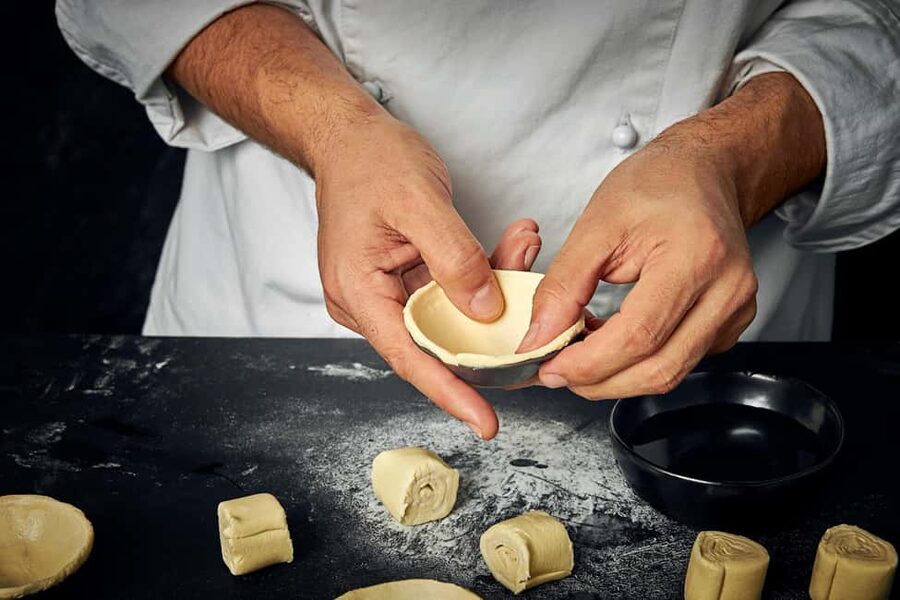
You get to take home value in real form, not just photos. The included experience includes 3 Pastéis de Nata, and you also taste warm tarts during the class. That means you get to evaluate your effort while it is fresh and then again later when you can compare texture and flavor after it cools.
You also receive a certificate of participation, which is a nice touch if you like tangible keepsakes. And many people like the added step where you receive a recipe afterward by email, so you have a starting point to recreate your batch.
The drink is included too. You get a barista crafted beverage, hot or cold, and the list of exclusions is specific: it excludes alcohol, milkshakes, and hot chocolate. Either way, it pairs well with the warm tart, and it helps turn the class into a true break in your day.
Who teaches it: professional pastry chefs and the vibe in the room
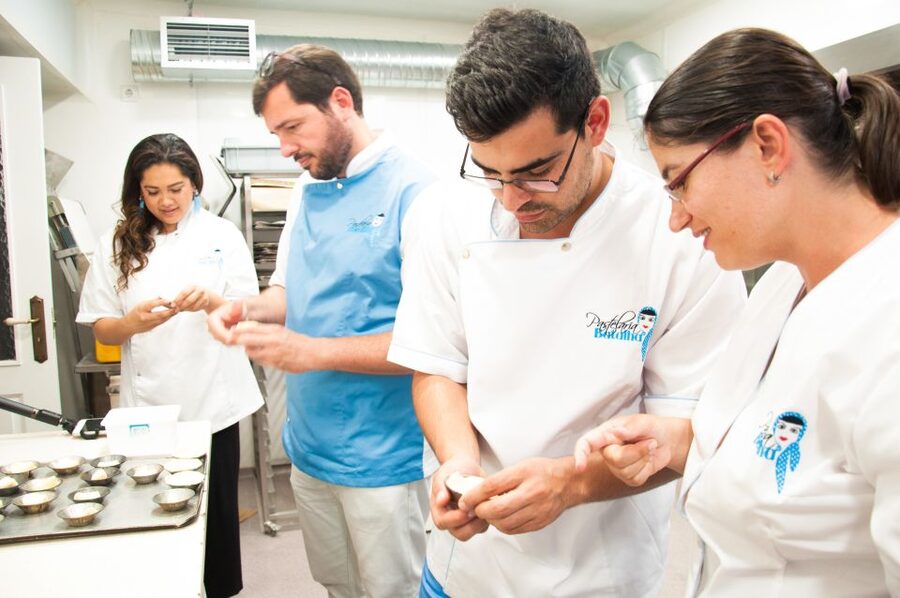
This masterclass is hosted by professional chefs, and the chef can vary by date. Depending on the day, you might work with award-winning chef João Batalha, co-founder of the Nat’elier concept store. Other in-house pastry chefs you might meet include Silvia Sousa or Adriano Cardoso.
In reviews, the teaching style comes through as patient, fun, and very practical. Names you may hear mentioned include Silvia, João, Juan, Miguel, Manuel, and Valeria, which reflects the fact that different chefs can guide the class. What stays consistent is the friendly energy, the clear step-by-step instruction, and the feeling that beginners are genuinely welcome.
Price and value: is $74 per person a fair deal?
At $74 per person, this is not a budget activity. But when you look at what you get, it starts to feel more reasonable. You are paying for a working bakery environment, a small group, pro oven access, and chef-guided instruction, all in a two-hour class.
You also get enough output to justify the price: multiple tarts you make by hand, plus a tasting experience. Add the included drink and the included equipment setup, and the class stops feeling like you are only paying for ingredients. You are paying for technique, guidance, and the chance to practice in a professional setting.
If you love Lisbon food experiences, this is the type that can pay back later. You will likely want to try baking again at home, and the course is built to give you repeatable steps, not just one-time entertainment.
Practical tips before you go
Come with the mindset that this is a hands-on lesson, not a sit-and-watch event. Wear comfortable clothes you do not mind getting a little flour or kitchen residue on. You are given aprons, but you still want to dress like you are going to work with dough.
Plan your day so you can eat after, too. The class includes tarts and a drink, so you probably will not need a big meal immediately afterward, but you will want time to cool down and enjoy your own results. Also, double check your language comfort since instruction is English and Portuguese.
If you are traveling with kids, the class welcomes ages 8 and up, and private options exist for younger children. If French or Spanish are your main languages, you may need to send a message before reserving, since the class notes that request.
Should you book this Pastel de Nata masterclass in Lisbon?
Book it if you want a Pastel de Nata experience that feels like a real bakery day, with hands-on practice, a pro chef, and a tangible result you can taste while it is warm. The small group setup, the chance to make multiple tarts by hand, and the inclusion of pastry equipment and a beverage make it feel like a skill workshop, not a snack stop.
Skip it if you have mobility needs that could make kitchen work difficult, or if you strongly prefer to watch rather than participate. Also consider whether you are comfortable with English or Portuguese, since that will affect how much you enjoy the explanations while you work.
If those points fit you, this is one of the best ways to understand why Lisbon pastel de nata tastes the way it does, and how to chase that flavor at home.
FAQ
How long is the Pastel de Nata masterclass?
The class lasts about 2 hours, and starting times vary, so you should check availability for the schedule.
Where do I meet for the class?
You meet at the Nat’elier pastry store, outside the Baixa-Chiado metro station on the blue line.
How many people are in the group?
The experience is limited to a maximum of 12 participants.
What will I make during the workshop?
You learn to make Portuguese Pastel de Nata from scratch, including puff pastry and custard, and you make at least 3 tarts by hand.
What is included in the price?
Included items are 3 Pastéis de Nata, a barista crafted hot or cold beverage (no alcohol, milkshakes, or hot chocolate), a certificate of participation, ingredients, all baking equipment, aprons, hair nets, and water.
Are kids allowed?
Yes. Adults and kids aged 8 and up are welcome. For younger kids, private experiences are available.
What languages are used in the class?
Instruction is available in English and Portuguese.
Newly reviewed in Lisbon
- Lisbon: Private Food Tour – 10 Tastings with Locals★ 4.8 · 73 reviews
- Lisbon: Private Custom Tour with a Local Guide★ 5.0 · 6 reviews
- Lisbon: 2 hours Private City Highlights Tuk-Tuk Tour for two★ 5.0 · 5 reviews
- Lisbon: City Sightseeing Tour★ 4.9 · 13 reviews
- Lisbon: Private Christmas Lights Tour by Eco Tuk Tuk★ 4.9 · 51 reviews
- Lisbon: Private Catamaran Charter for up to 18-People★ 5.0 · 7 reviews
- Lisbon: Private Boutique Boat Tour – Sail in Style★ 5.0 · 87 reviews
- Lisbon: Private Boat Trip, Guided Walking Tour, Bike & Tram★ 4.8 · 116 reviews