
Reviewed · WINE TOURS
The Roman Tour & Wine tasting.
Évora’s Roman footprint is the star here, but the way this tour connects it to clay-pot wine production and an old water system is what makes it feel more personal than a standard history walk. I love how guides like Paulo bring the story to life with talk that reaches back thousands of years, and I also like that the tour ends with a real wine tasting instead of a quick stop. The main drawback is simple: you’ll cover a lot of cobblestones, so it’s not a fit if you have mobility issues.
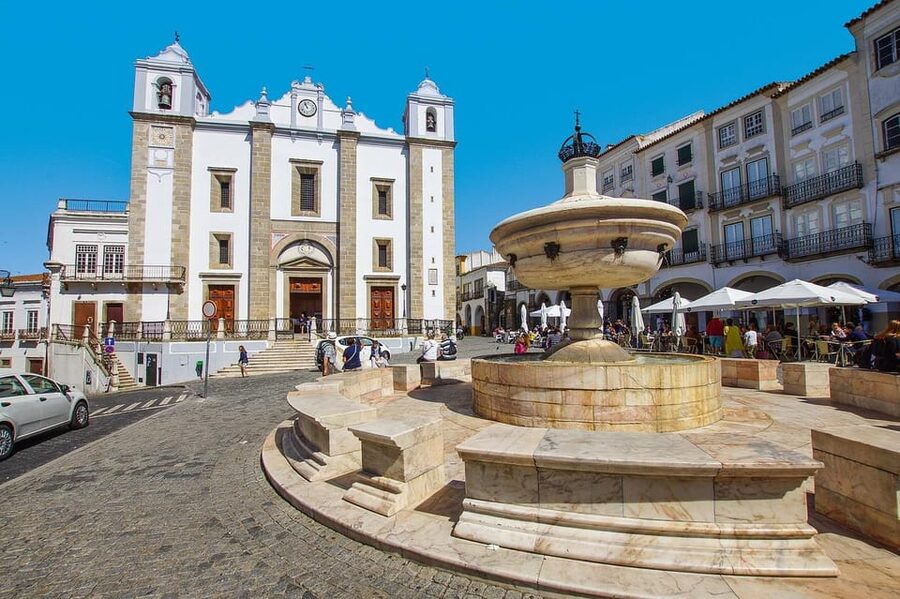
You start in the old center near Praça do Giraldo and meet up by the Church of Santo Antão. If you’re using GPS, do a quick check ahead of time, since the exact meeting point can be a little different from what maps show.
Key points to know before you go
- Clay-pot wine production stories linked to how Romans influenced local methods
- Roman water infrastructure explained through the aftermath of an aqueduct
- Old taverns and bohemian spaces used as walk-through moments, not just photo stops
- Paulo and Vanessa’s style tends to be energetic and conversation-friendly in small groups
- A full wine tasting rounds out the day with explanations that help you order confidently
Why this Roman and wine tour works in Évora
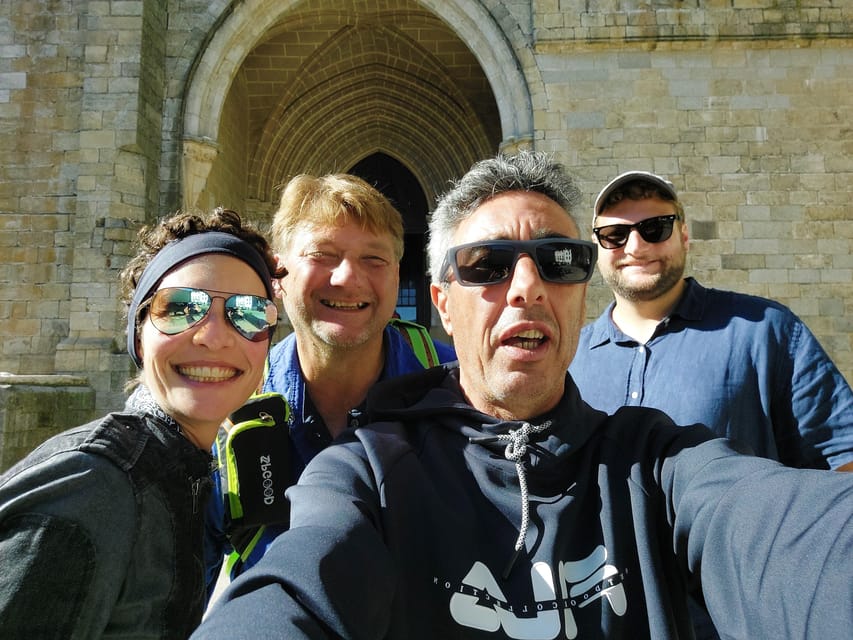
This is one of those tours where the details matter. Évora is compact, but its layers are not. The streets feel intimate, yet the guide is talking about infrastructure, agriculture, and ritual life that lasted for centuries. That mix is the point. You’re not just hearing that Romans were around, you’re seeing how their priorities still show up in what people built and how they lived.
The Roman angle is especially strong because it’s tied to something you can actually taste later. You’ll hear about ancient wine production in clay pots, and you’ll learn why water mattered so much to Roman settlers. The result is a tour that connects daily life to myth and craft, from Dionysus themes to the practical reality of making wine.
I also like that the ending is structured. Wine tasting can feel like an afterthought on many city walks, but here it’s the finish. You get guidance while you taste, so it’s not just about picking a red you like. You’ll also understand what makes one wine different from another, which is useful if you plan to buy bottles after.
More wine tastings and vineyard trips:
- From Lisbon: Évora and Monsaraz Day Tour with Wine Tasting
★ 4.8 · 279 reviews - From Lisbon: Évora Wine & Heritage Tour
★ 4.1 · 93 reviews - Monsaraz and Wine guided tour from Évora
★ 4.5 · 38 reviews
Finding your way: where the tour starts in the old town
You begin near Praça do Giraldo, but you’ll meet close to the Church of Santo Antão. That makes sense because Évora’s center is walkable and because guides usually want everyone together before they start threading you through side streets.
One practical thing: don’t trust your first GPS pin blindly. At least one guest reported the meeting point not matching what Google Maps showed, even though the tour was easy to find once they confirmed the correct spot ahead of time. So, if you can, double-check the exact meeting location in the message you receive after booking, or ask the provider a quick question before you leave your hotel.
Once you’re gathered, expect a guided walk that moves steadily. This is not a sit-down lecture. You’re out in the open, viewing old buildings and stopping where the guide can make a point without rushing.
The guided walk: taverns, worship-like spaces, and street-level stories
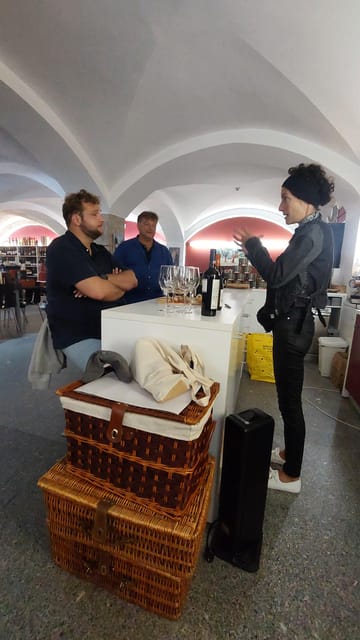
The best part of the morning is how the guide uses ordinary corners as story anchors. Évora’s old core is full of small squares and narrow passages, and it would be easy to walk past them without noticing anything beyond the architecture. Paulo’s approach, as described by past guests, is that he doesn’t just name places. He connects them to people, habits, and the long timeline that shaped the city.
You’ll also spend time around older spaces associated with community life, including tavern-style stops and what the tour describes as bohemian spaces. I like this because it breaks the pattern of only seeing formal monuments. Instead, you get a sense for how everyday social life grew around the kind of infrastructure that allowed wine production and trade to survive.
The tour is designed for conversation. Past guests praised guides for being energetic and passionate, and that matters because you’ll get more out of short moments if you can ask follow-up questions. If you prefer a quiet self-guided walk, you might find the guide’s storytelling pace a bit lively. But if you enjoy explanation while you stroll, this is the kind of guided experience that pays off.
The Roman influence you can actually picture: aqueduct water and clay-pot wine
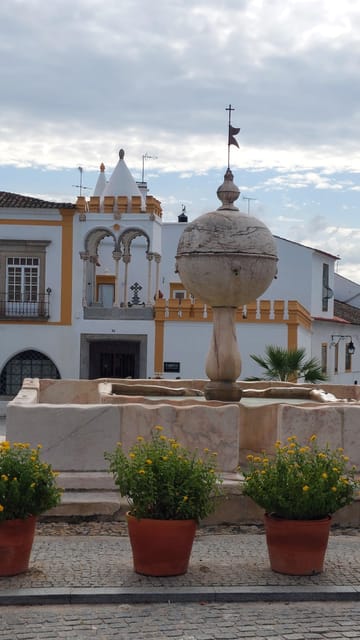
The Roman part doesn’t stay in theory. You’ll learn about the aftermath of a Roman aqueduct in Évora, framed as a reminder of how critical water infrastructure was. This is more than a cool leftover. It’s a lesson in how Romans thought: bring life-giving water where people lived, then let agriculture and daily industry grow around it.
That water theme ties directly into the wine theme. The tour focuses on the ancient knowledge of wine production in clay pots, which is a distinctive detail. Clay-pot methods help explain why the craft was more than just planting grapes and waiting. Containers, storage, and handling all influence what happens next, and the guide’s explanations are meant to make that feel understandable.
You’ll also hear myth and spirituality connected to wine, including references to Dionysus and the idea of wine as a near-universal symbol of divine and human bonding. I like when a guide does this without turning it into a random lecture. Here, it works because the myth gives meaning to the craft, and the craft gives the myth context.
And one more practical note: because you’ll be walking a lot on cobblestones, wear comfortable shoes. It’s the kind of city where one aching ankle can ruin your focus, especially if you’re trying to pay attention to architectural details.
A few other ways to do Evora
- Golden Era of Évora walking & the portuguese wine tasting.
★ 4.3 · 19 reviews - From Lisbon: Évora, Monsaraz, Wine Tasting & Cristo Rei
★ 4.5 · 10 reviews - Tour with Wine and Olive Oil Tasting
★ 4.6 · 8 reviews - Winner 2025 Undiscovered Lisbon Food & Wine Tour by Eating Europe
★ 5.0 · 6,390 reviews
The wine tasting: how to get more than just a sip
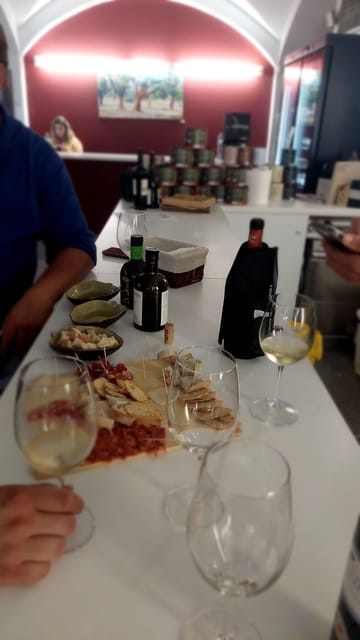
The tasting is the capstone, and it’s built to feel educational rather than salesy. You’ll do about an hour of tasting after the walking portion, with explanations offered in multiple languages including English, Spanish, and Portuguese.
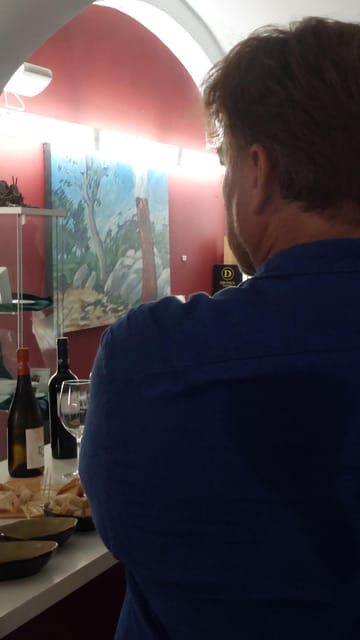
The tasting is done in a wine shop setting, which I actually think is smart. It keeps things calm and organized, and it usually means staff can talk through differences in the wines without the distractions you might get in a noisier venue. If you like to learn how to taste, you’ll appreciate that structure.
Here’s how to make your hour count:
- Take note of what the guide says about differences between the wines, not just which one tastes best.
- Ask for pairings if you’re curious. One guest specifically noted being able to add cheese and charcuterie as an option, so you might check what’s possible at the tasting spot.
- Pace yourself. You still have to walk after the tour, and you’ll want to stay present for the explanations, not rush to the last pour.
Wine tasting often becomes a blur when everyone is left to figure it out alone. This one is guided, and that turns it into something you can carry home, because you’ll have a clearer mental map of what you liked and why.
Price and time: is $49 good value for Évora?
At $49 per person, you’re paying for two major ingredients: a guided walk through Évora’s historical sites and a guided wine tasting. Transportation to Évora isn’t included, and meals aren’t included, so your costs do not magically end at checkout.
But if you’re already in the Évora area, the value is straightforward. You’re getting an adult-focused history experience tied to wine culture, plus an extra hour to learn about what’s in your glass. That combination is harder to recreate on your own in a short time.
Time-wise, the day is best thought of as about 3 hours of walking plus about 1 hour of tasting. So it’s a half-day commitment. That makes it a good match if you’re doing other sights nearby and you want something that feels different from museums.
It’s also a private group experience, which usually means less waiting around and more direct interaction with the guide. If you’re traveling with a small group, that’s a practical advantage.
Who should book this tour, and who might skip it
Book this if you want a Roman thread through Évora that leads somewhere. You’ll enjoy it most if you like history that’s connected to everyday life, especially wine culture and water infrastructure. Wine lovers will feel rewarded at the end, and history fans will like that the guide explains how the city’s layout and old remains make sense.
You should consider skipping it if you have mobility impairments or if walking on cobblestones will be hard for you. The tour is also not suitable for wheelchair users, and it’s not designed for kids under 18.
It also helps if you enjoy guided conversation. This is not a quiet, head-down photo tour. The guides, including Paulo and Vanessa in past experiences, tend to be energetic and talk a lot, which is great if you like learning on the move.
Final call: should you book the Roman Tour and Wine tasting in Évora?
Yes, if you want a smart half-day in Évora that blends Roman leftovers with something you can taste and understand. The guide storytelling is a key strength, and the wine tasting is not treated like a checkbox. At $49, you’re paying for real guidance plus a guided tasting, which is the combination that usually makes tours feel worth it.
Skip it if cobblestone walking will be a problem for you, or if you’re looking for a purely self-paced option. And if you rely on GPS, take a minute to confirm the exact meeting spot near Santo Antão, because that’s the one potential hassle point that can trip you up.
FAQ
How long is the Roman tour with the wine tasting in Évora?
The historical guided portion is 3 hours, and the wine tasting is listed as 1 hour. Plan for about 4 hours total.
Where do we meet for the tour?
The meeting point is near the Church of Santo Antão. The tour starts from Praça do Giraldo in Évora.
What languages are the live guides?
The live tour guide is available in English, Spanish, and Portuguese.
Is the tour private or group-based?
It’s described as a private group experience.
What is included in the price?
Included are the guided tour of Évora’s historical sites, visits to old taverns and bohemian spaces, and the wine tasting experience.
What is not included?
Meals and transportation to Évora are not included.
What should I bring with me?
Bring comfortable shoes for cobblestones, a camera, and water.
Is the tour suitable for wheelchair users or kids?
No. It is not suitable for wheelchair users or people with mobility impairments, and it is not suitable for children under 18.
Can I cancel, and do I need to pay right away?
Free cancellation is available up to 24 hours in advance for a full refund. The option to reserve and pay later is also offered.
Newly reviewed in Evora
- Tour with Wine and Olive Oil Tasting★ 4.6 · 8 reviews
- Between Life & Death: Roman Temple, Cathedral & Bone Chapel★ 4.8 · 5 reviews
- Private day tour to Évora: cork, factory, winery & the city★ 4.4 · 5 reviews
- Monsaraz and Wine guided tour from Évora★ 4.5 · 38 reviews
- Montemor-o-Novo or Évora: One-Day Tour of Megaliths★ 5.0 · 5 reviews
- Megalithic & Medieval tour on a sidecar Évora★ 4.8 · 13 reviews
- Lisbon: Private Full Day Evora & Alentejo Wine Tour★ 5.0 · 3 reviews
- Golden Era of Évora walking & the portuguese wine tasting.★ 4.3 · 19 reviews
Wine Tours, compared.

Winner 2025 Undiscovered Lisbon Food & Wine Tour by Eating Europe
Read our review →
Live Fado Show with Port Wine in Historic Center
Read our review →

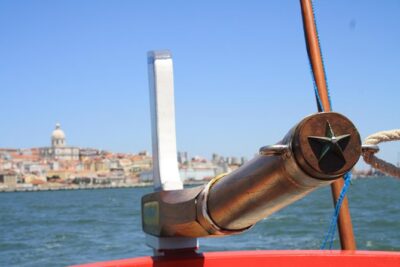
2-Hour Lisbon Traditional Boats Sunset Cruise with White Wine
Read our review →

Lisbon Food Tour with 10+ Tastings of Local Delicacies & Wines
Read our review →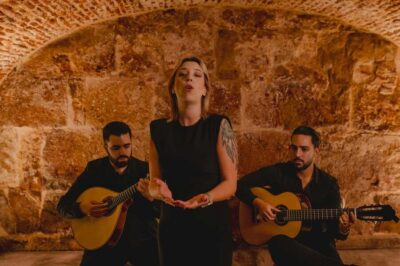
Browse the lists this tour appears in