
Reviewed · ÉVORA DAY TRIPS
Golden Era of Évora walking & the portuguese wine tasting.
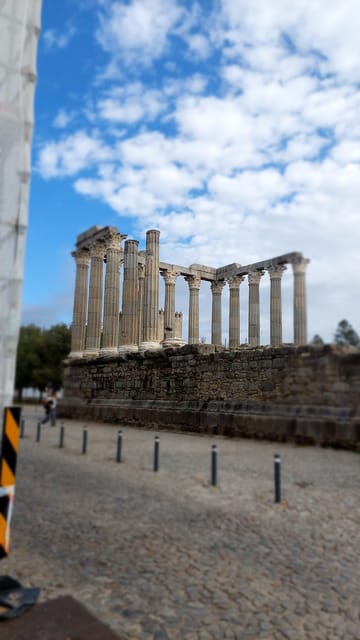
Évora’s streets can look quiet, but this half-day outing is interesting because it stitches 2,000 years of change into one walk. You’ll move from grand Roman ideas to medieval defenses, then cap it with an Alentejo wine tasting that explains why this region tastes like itself.
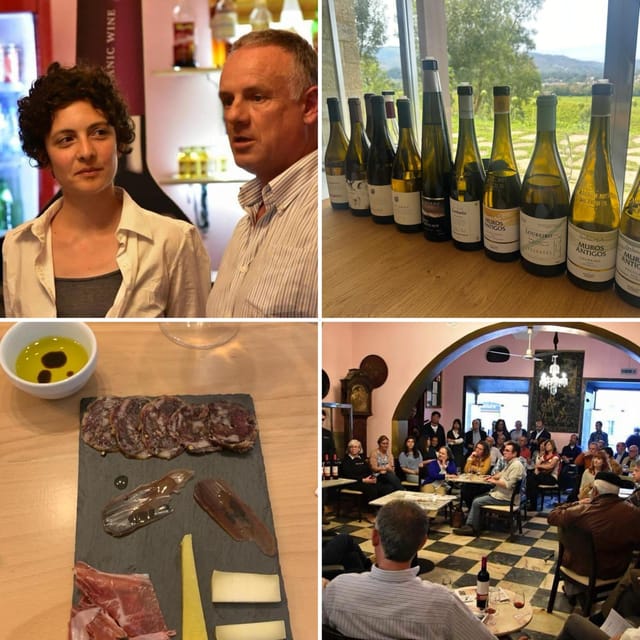
I especially like two things. First, the tour connects the architectural periods you see in front of you, so the Roman temple, aqueduct, towers, and gateways stop being random photo stops. Second, the wine tasting has real academic heft through Vanessa Schnitzer, a sommelier, oenologist, and PhD student, focused on Alentejo’s “sense of place.”
One consideration: this is a walking tour with a set time limit, so if you want lots of museum time or to linger for long inside churches, you may need an extra visit on your own.
Key points to know before you go
- One-storyline walk across Roman, Visigothic, and Muslim influences, then into medieval and Portuguese eras
- Fast context for major sights like the Roman temple, aqueduct, medieval battlements, and the Sisebuto Tower
- Geraldo the Fearless is part of the tour narrative, tying the reconquest to Évora’s later Portuguese Kingdom role
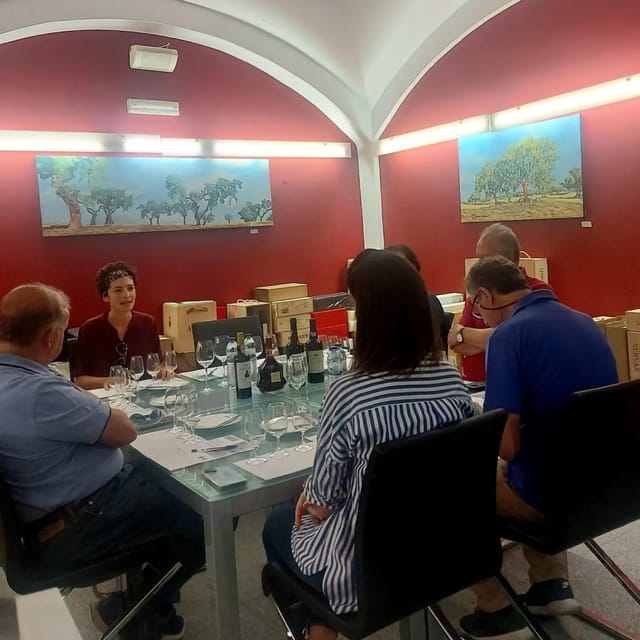
- End at Ervideira Wine Shop for a guided Alentejo tasting with Vanessa Schnitzer
- Private group format with a live guide in English, Spanish, or Portuguese
- Wheelchair accessible, with comfortable shoes recommended and museum entrances not included
Évora’s Golden Era story in one 4-hour walk
This tour works because it treats Évora like an outdoor timeline. In four hours, I think you can do what many people struggle with in a guidebook: you start seeing patterns instead of just collecting landmarks. Roman lines, defensive medieval shapes, and Portuguese-era flourishes all show up close together, so the city becomes the lesson.
The route also leans into why Évora matters beyond looks. You’ll hear how it earned UNESCO World Heritage status on 23 November 1986, and why those layers overlap so dramatically. The guide brings the city’s role in the Portuguese Kingdom into focus, including the Avis Dynasty and the golden period of the 15th and 16th centuries.
The walk is paced like an afternoon plan, not a marathon. You get a break, and you’re not expected to disappear into museums. That makes it a strong choice if you only have a short window in town and want the cultural context that makes later self-guided exploring more satisfying.
More wine tastings and vineyard trips:
- From Lisbon: Évora and Monsaraz Day Tour with Wine Tasting
★ 4.8 · 279 reviews - From Lisbon: Évora Wine & Heritage Tour
★ 4.1 · 93 reviews - Evora University, Cathedral & Bones Chapel — SkipLine + Wine
★ 5.0 · 33 reviews
Starting at Praça do Giraldo: Chafariz views and quick context
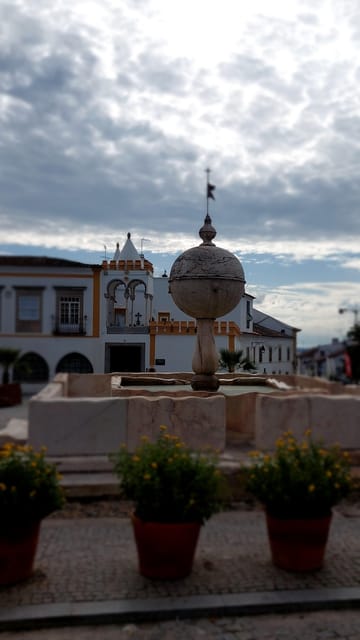
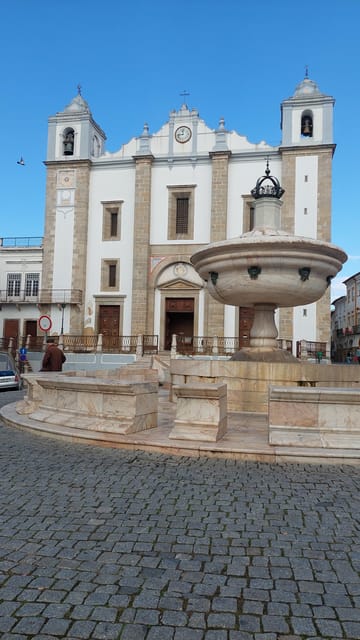
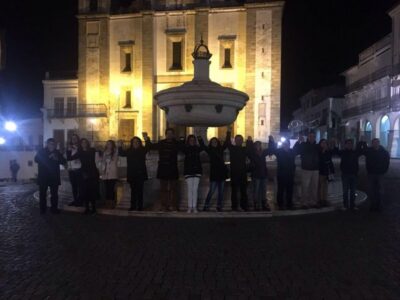
You begin around the Chafariz da Praça do Giraldo, with the tour meeting point near the Church Santo Antão. This is a good place to start because it’s in the heart of the city’s everyday movement. You get a real sense of scale early, which helps when the guide starts layering dates and names onto the buildings you’re standing in front of.
I like how the story begins with local roots. Instead of starting with kings and battles only, the tour moves back to the first settlers Eborones and then builds forward through successive cultures. Once you have that starting frame, the rest of Évora reads cleaner, even if you only remember a few dates.
The guide also connects this start point to Geraldo the Fearless and the reconquest. That matters because it turns the timeline into cause and effect, not just a list of civilizations. You’ll hear how that transition links to the Portuguese Kingdom’s beginnings, and then to what happened during the Avis Dynasty.
How the tour links Roman, Visigothic, and Muslim eras to what you can actually see
Évora can feel like a puzzle if you visit on your own, because the architecture is layered. This tour’s strength is that it maps those eras onto specific structures you’ll notice as you walk.
You’ll focus on big Roman elements, including a Roman temple, the aqueduct, and Roman-style gateways. Rather than treating them as isolated remnants, the guide frames them as evidence of a city shaped by Roman planning and engineering.
Then the tour expands the lens into Visigothic and Muslim influences. The goal is not to memorize terms. The goal is to recognize how styles, defensive ideas, and urban rhythms can shift from era to era while still sharing the same city bones.
From the reviews, I picked up a key advantage: guides like Paolo often explain Roman influences in a way that helps you see more on your own afterward. One guest said he pointed out places of historical significance they would not have found. That’s the kind of value you want from a walking tour, because it turns you from spectator into interpreter.
If you like architecture and cultural change, this is the part that will feel most rewarding. If you prefer pure relaxation over learning, you might find the story heavy at times, but the guide does offer a break to keep things comfortable.
Medieval battlements, towers, fountains, and the photo stops that matter
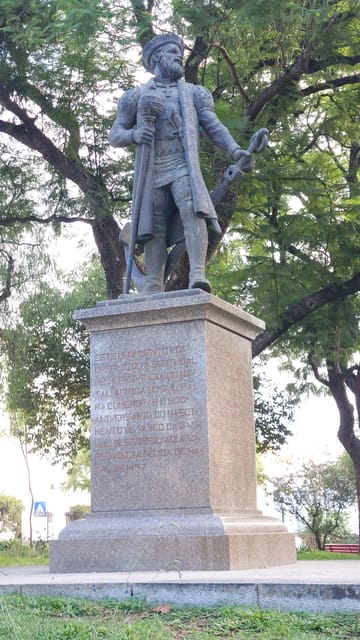
After you get the deep timeline, the city starts behaving differently. The towers, battlement-style shapes, and defensive-looking structures stop reading as scenery and start reading as strategies.
The tour highlights things like battlements and towers, plus fountains and romantic garden moments. These aren’t random stops. They help you notice what different eras were protecting, celebrating, or building toward.
You’ll also pass through major sights connected to the later Portuguese period. One highlight in the route includes palace D. Manuel, along with statues and viewpoints that make a good pause point. This is where you start understanding why Évora doesn’t just have ancient ruins. It has a continued civic identity.
A standout on the tour is the Sisebuto Tower. Having a named tower on the route is useful, because it gives you a mental anchor. When you hear the story tied to a specific feature, it stays in your head longer and helps you compare what you’re seeing to what the guide is describing.
One small caution from pacing: one guest noted the guide spoke a bit quickly. That can happen when someone has a lot of material to share and wants to keep the route moving. If you’re easily lost, it’s worth asking for clarification early so you can catch up.
More Évora day trips:
- Évora: Private tour with entrance tickets to main monuments
★ 5.0 · 57 reviews - Évora: Tales and Legends Guided Walking Tour
★ 4.7 · 37 reviews - From Lisbon: Évora, Monsaraz, Wine Tasting & Cristo Rei
★ 4.5 · 10 reviews - From Montemor or Évora: Guided Hike to Almendres Megalithic
★ 4.8 · 9 reviews
Évora’s Portuguese Golden Age: Avis Dynasty and why it was special
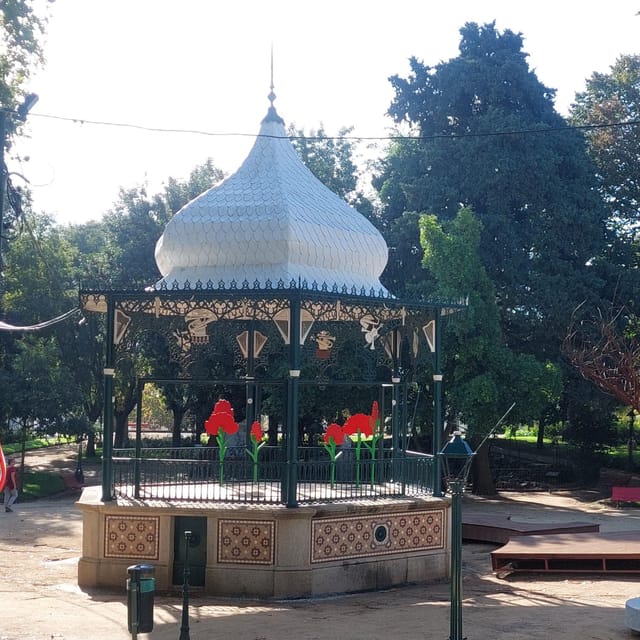
The tour doesn’t stop at “ancient city.” You’ll hear how Évora had a special role during the golden years of the Portuguese Kingdom in the 15th and 16th centuries, connected to the Avis Dynasty.
This matters because it explains why the city’s look changes again after the medieval period. You’ll hear how leadership and cultural momentum affected what was built, what was emphasized, and how Évora fit into a larger national story.
I like that this section gives meaning to details that might otherwise feel decorative. When you understand the political and cultural context, palace elements, church facades, and public spaces start to feel purposeful. You’re not just seeing pretty stone, you’re seeing the results of choices made by a society trying to project identity.
And because Évora is a UNESCO site, the guide’s narrative helps you understand what UNESCO is really protecting: not just individual buildings, but a layered urban story that survived by staying in use and by continuing to evolve.
Ending at Ervideira Wine Shop: tasting Alentejo with Vanessa Schnitzer
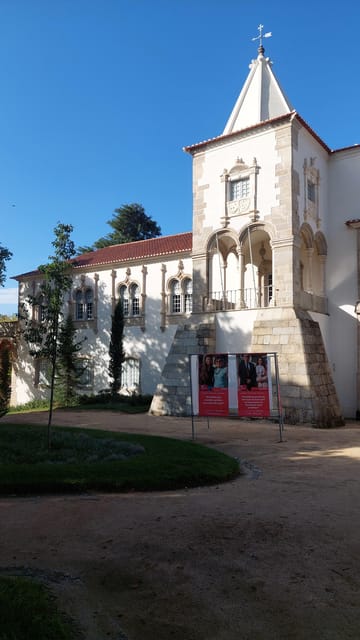
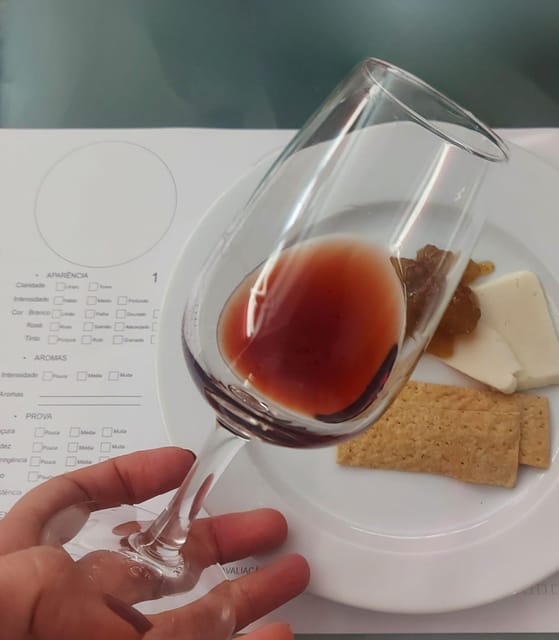
The final payoff is the wine tasting at Ervideira Wine Shop. This is where the tour shifts from stone to flavor, but it still stays tied to place.
You’ll taste with Vanessa Schnitzer, a sommelier, oenologist, and PhD student. That mix of practical wine expertise and academic training shows in the way she frames the tasting. The focus is on promoting Alentejo wines by explaining the unique characteristics of the soil and climate.
If you’ve ever tasted wine and wondered why two regions feel so different even when grapes sound similar, this part is useful. You’ll get a sense of how local conditions translate into character and style, meaning the wines come with a story that matches what you just learned about Évora’s layers.
One review specifically praised how Vanessa explained Roman influences in Évora, and another guest praised the end tasting as great. That combination is the sweet spot here: history that connects to how the region still lives today, through its agricultural identity.
The tour includes the wine, so you are not scrambling for an extra bill at the end. It’s a clean, satisfying close for an afternoon that starts with a fountain in the center of town and ends in a wine shop focused on Alentejo.
Price and value: is $42 for 4 hours a fair deal?
At $42 per person for a 4-hour experience, the value comes from two bundled elements: a guided walking interpretation plus wine included. Many city tours charge more once you add a guided cultural walk, then separately add tastings or tastings with a named specialist.
Here, you also get extras that help justify the price. The tour includes skip the ticket line, and it’s a private group format. That can matter if you want your guide to keep attention on your pace and questions rather than waiting for a larger crowd.
Museums are not included, so if you’re hoping this single outing replaces entrance tickets inside museums, you might be disappointed. But for people who want context outside museum walls, it’s strong.
The duration is another value point. Four hours is enough time to understand the storyline, walk between key areas, and still finish with wine. It’s also short enough to fit into a real itinerary without wrecking your evening plans.
What to wear, how to pace yourself, and what to expect on the ground
Comfort is not optional on an Évora walking plan. Bring comfortable shoes and comfortable clothes, especially if you’re traveling in warmer months. The tour is designed as a stroll with stops, but you still cover enough ground that footwear matters.
The tour is wheelchair accessible, and one guest specifically noted the guide made the experience accessible for a wife using a wheelchair. That suggests the route and pace can work when mobility needs require flexibility.
If you’re sensitive to speed of speech, keep it in mind. One person said the guide spoke a bit quickly. I’d treat that as a reminder to pay attention early, then ask questions if you want slower repetition.
Alcohol and drugs are not allowed, which is standard for a structured tour. Since wine is included at the end, you can plan to enjoy the tasting without bringing your own drinks.
Who this tour is perfect for, and who may want a different plan
This is a good fit if you want:
- A guided city orientation that turns architecture into a story
- A short plan that mixes major eras, including Roman, Visigothic, Muslim, and Portuguese periods
- An ending that is more than a casual sip, led by Vanessa Schnitzer with a place-focused explanation
It may be less ideal if you:
- Want long museum time, since entrance in museums is not included
- Prefer completely independent exploring with minimal guide structure
- Are traveling under 19, since the tour is not suitable for people under 19
Because it’s a private group and wheelchair accessible, it also suits travelers who want a more tailored feel than large group mass tours.
Quick decision: should you book this Golden Era of Évora walk plus wine tasting?
I’d book it if you’re trying to understand Évora fast and taste Alentejo in a guided, place-based way. The pricing makes sense because the tour combines two things people usually schedule separately: historical orientation and a serious tasting at the end.
Do it early in your Évora visit if you want your later self-guided wandering to feel smarter. The biggest benefit is not just seeing key structures, it’s learning how they connect across centuries.
Skip it only if your priority is museums and you’re determined to spend most of the afternoon inside buildings, not walking and interpreting what you see.
FAQ
Where does the tour start?
The starting point is at Chafariz da Praça do Giraldo. The meeting point is near the Church Santo Antão.
How long is the experience?
It lasts 4 hours.
What is included in the price?
Wine is included.
Is a museum visit included?
Entrance in museums is not included.
What languages are the guided tour available in?
The live guide is available in English, Spanish, and Portuguese.
Is this tour wheelchair accessible?
Yes, the tour is wheelchair accessible.
Do I need to bring anything?
Bring comfortable shoes and comfortable clothes.
Is the tour suitable for minors?
No, it is not suitable for people under 19 years.
Is the tour private?
Yes, it is a private group.
Is there any extra guidance about alcohol?
Alcohol and drugs are not allowed, though the wine tasting portion includes wine as part of the experience.
More Walking Tours in Evora
- 2 hr Walk in the Cork Forest
★ 4.8 · 17 reviews - Lisbon: History, Stories and Lifestyle Walking Tour
★ 4.8 · 10,902 reviews - Best of Lisbon Small-Group Guided Walking Tour
★ 5.0 · 4,869 reviews - Best of Lisbon Walking Tour: Rossio, Chiado & Alfama
★ 4.9 · 2,700 reviews
More Food & Drink in Evora
- Winner 2025 Undiscovered Lisbon Food & Wine Tour by Eating Europe
★ 5.0 · 6,390 reviews - Lisbon: Food and Wine Small Group Walking Tour
★ 4.9 · 4,082 reviews - Lisbon Small-Group Food Tour with 18 Tastings in Alfama District
★ 5.0 · 1,967 reviews - Lisbon: Baixa District Food Tour with Dinner and Drinks
★ 4.9 · 1,870 reviews
Newly reviewed in Evora
- Lisbon: Private Full Day Evora & Alentejo Wine Tour★ 5.0 · 3 reviews
- From Lisbon: Évora Wine & Heritage Tour★ 4.1 · 93 reviews
- Full-Day Private Cultural Tour in Evora and Monsaraz★ 4.2 · 5 reviews
- From Montemor or Évora: Guided Hike to Almendres Megalithic★ 4.8 · 9 reviews
- From Lisbon: Évora Private Historic Discovery Tour★ 4.7 · 7 reviews
- From Lisbon: Évora, Monsaraz, Wine Tasting & Cristo Rei★ 4.5 · 10 reviews
- Évora Tour: Private and Customized tour Full and Half day★ 3.8 · 3 reviews
- Évora Unforgetable Sidecar Tour★ 4.9 · 9 reviews
Évora Day Trips, compared.

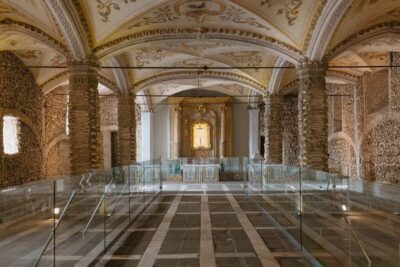
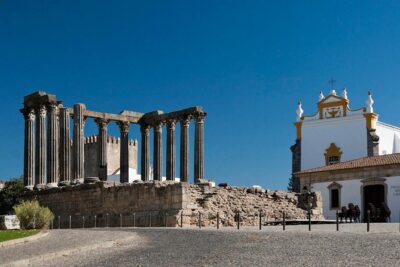
Évora and Monsaraz with Regional Wine Tasting from Lisbon
Read our review →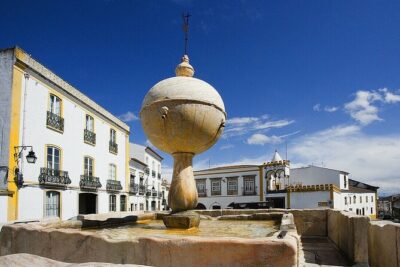
Private walking tour with tickets to main monuments
Read our review →
Private tour with entrance tickets to main monuments
Read our review →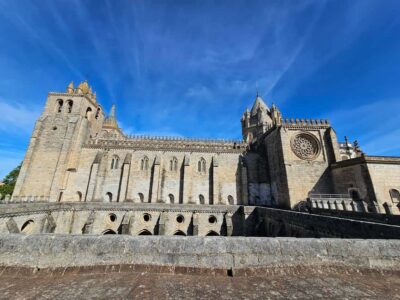
Évora (with Sé & Bones), Evoramonte & Arraiolos: From Lisbon
Read our review →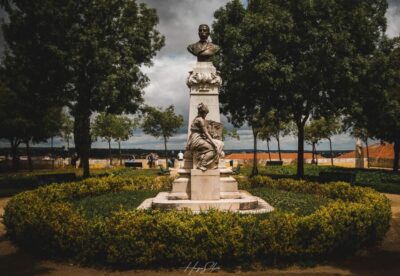
Browse the lists this tour appears in