Reviewed · WALKING TOURS
Lisbon: See Lisbon Like a Local on a Private Walking Tour
This tour is interesting because it mixes food and photo stops with stories you cannot get from a quick guidebook lap. You start with a local cherry liqueur, then move through neighborhoods shaped by centuries of Arab influence and Lisbon’s later growth.
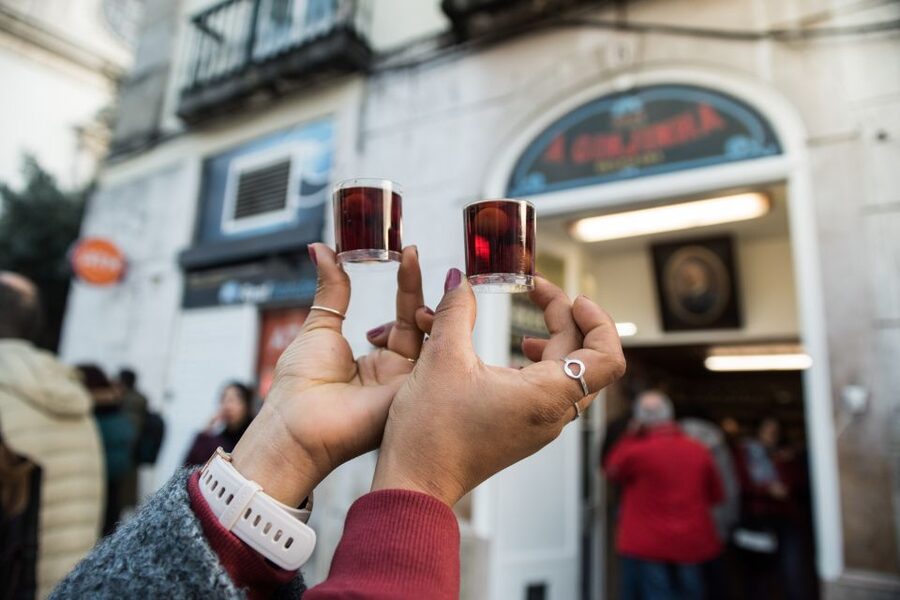
I love the ginja tasting at A Ginjinha, especially because it is part of the city’s everyday culture, not just a quick souvenir pour. I also like how the walk connects Mouraria to the roots of fado and the Arab world, so the music story lands in the exact streets where it began.
One thing to consider is that Lisbon’s old quarters mean steep, winding walking, and the tour can be active even when the weather turns. It is rain or shine, and it is not suitable for people with mobility impairments.
Key points to know before you go
- Start with ginja at A Ginjinha, then fuel up with coffee later at a viewpoint
- Mouraria tells the fado story, including ties to the Arab world, in the streets themselves
- Miradouro de Graça delivers panorama time, with a coffee stop built in
- Alfama is all about slope, color, and surviving 1775, with small squares and quiet corners
- Praça do Comércio finishes big, with sea views and the Tagus River energy
- Private guide, small group feel, with multilingual live commentary (Spanish, English, Portuguese, French)
Starting at A Ginjinha, tasting ginja like a Lisbon local
The experience kicks off at the entrance of the bar A Ginjinha, and that first sip sets the tone. You are tasting a sour cherry liqueur, known locally as ginja, and it is offered as a specialty instead of a gimmick. The inclusion of one ginja tasting plus coffee matters because it gives you a true taste of Lisbon while keeping the walking tour value-focused.
I like this format because it prevents the usual problem with walking tours. If you only walk and look, you can still feel like you are passing through. Here, you pause and taste, then you move on while the flavors are still fresh in your head.
You should also know what you are getting, and what you are not. Food is not included, so if you get hungry you will want to plan a full meal before or after. Also, the pace is guided walking with short stops, so comfortable shoes are not optional.
In past bookings, guides such as Alfredo have been praised for enthusiasm, and Joana for being energetic and personable. That kind of guide makes the early tasting more than a quick photo moment.
More walking tours in Lisbon:
- Lisbon: History, Stories and Lifestyle Walking Tour
★ 4.8 · 10,902 reviews - Best of Lisbon Small-Group Guided Walking Tour
★ 5.0 · 4,869 reviews - Lisbon: Food and Wine Small Group Walking Tour
★ 4.9 · 4,082 reviews
Mouraria and the old Arabian quarter, where fado’s roots get explained
After A Ginjinha, you head toward Lisbon’s older layers, starting with stops that help you read the neighborhood instead of just walking through it. The Church of St. Dominic is one of the first guided landmarks, and it gives you a sense of how these areas developed over time.
Then you reach the Moorish quarter of Mouraria. This is one of the most compelling parts of the tour because you are not just told that fado is connected to the Arab world. You learn about the origins of this musical style and how closely tied it is to Arab influence, and you do it while standing in the surrounding atmosphere of the old quarter.
That matters, because music stories are usually thrown at you like trivia. Here, you get a guided explanation and then you walk the narrow lanes that shape how the neighborhood feels. Mouraria is known for its maze-like street plan, so even a small change in direction can reveal a different view, a small square, or a café doorway with daily life going on.
The tour also includes a quick stop at Caracol da Graça, which helps you transition from story to scenery. You are getting guided context, but you are also getting the kind of street-level navigation that makes it easier for you to explore later on your own.
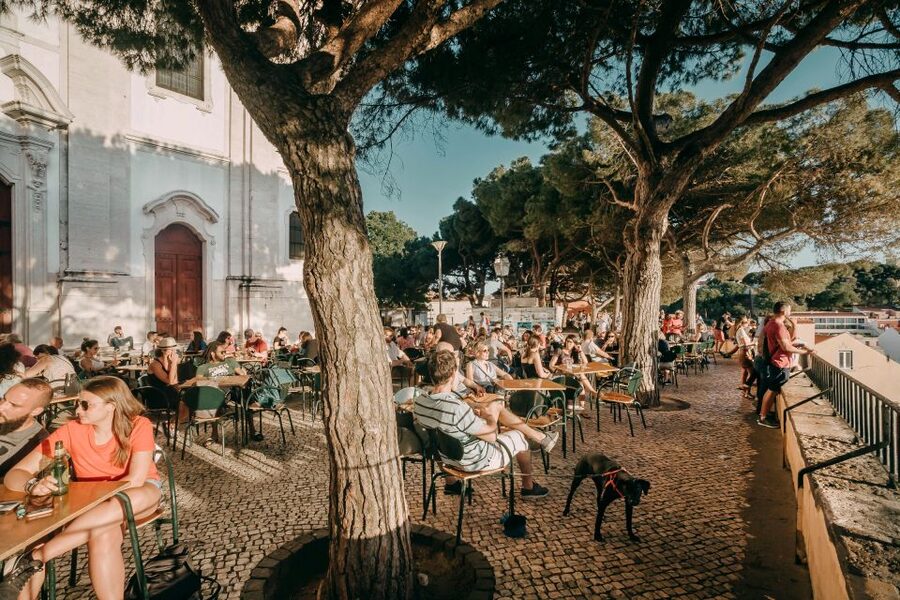
Graça viewpoints and Miradouro de Graça, coffee with city panoramas
Lisbon is built on hills, and Graça is where you really feel it. The tour leans into that, with viewpoints that are timed for you to pause, look, and photograph.
One of the key stops is Miradouro de Graça, where you enjoy a cup of coffee while taking in panoramic views. This is a smart move in a walking tour. Instead of rushing from one viewpoint to another, you get a planned break, you get to sit, and you get your bearings.
You also stop at the Church of Our Lady of Grace along the way. Churches here are not just scenic, they help you spot architectural transitions and understand why certain corners became gathering points. It is the kind of detail that makes Lisbon feel specific rather than generic.
If you care about photos, you will appreciate that the guide builds in multiple viewpoint pauses. The tour is designed so you can snap city shots with a sense of direction, not just random angles.
Practical tip: bring something light for your hands and ears if it is cool. Coffee helps, but hill viewpoints can feel windier than lower streets.
Monastery of São Vicente de Fora and the climb toward Alfama
As you keep moving, you shift from story-heavy stops to a more “street theater” section. The Monastery of São Vicente de Fora is one of the guided stops, giving you another anchor point as you head into the Alfama region.
Then comes a stretch that feels like the heart of old Lisbon. You spend time in Alfama, described as unscathed by the earthquake of 1775. That fact adds weight to what you see as you walk. When a place has survived something so destructive, you can feel why details matter. The streets stay narrow, the turns stay tight, and the neighborhood never feels like a reproduction.
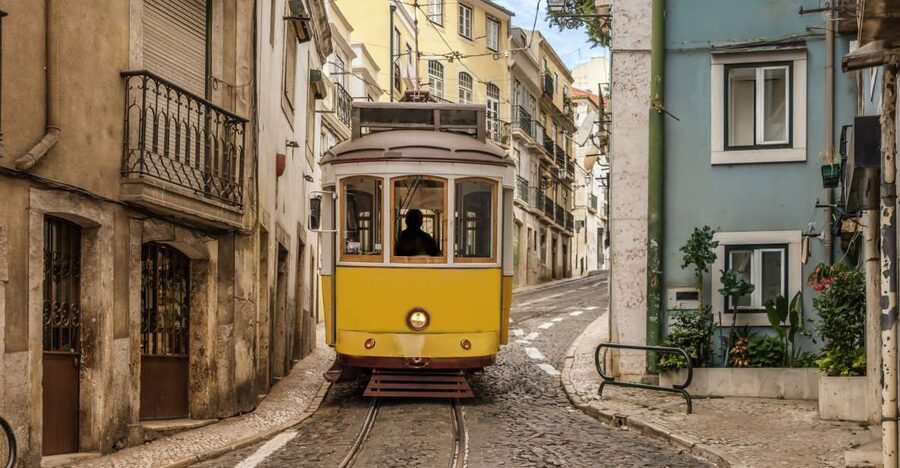
The tour’s guided time in Alfama also includes the practical experience of wandering with a local. You will move through winding lanes, up and down slopes, and past small squares, cafés, and charming boutiques. This is where Lisbon’s character lives for real, and it is also where a solo walk can feel confusing unless you know what to look for.
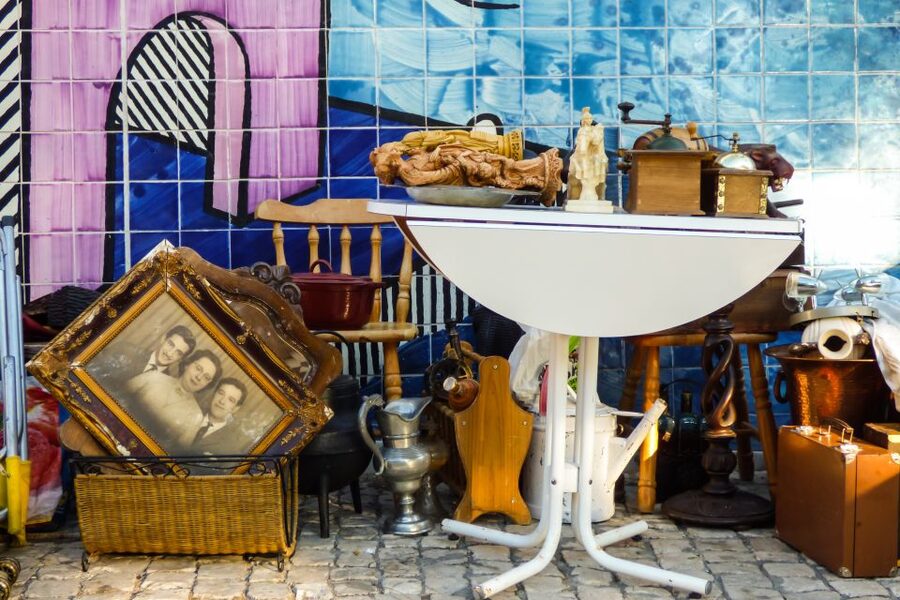
There is also time around lively market energy described as flea markets. Even if you just browse, it is a good reminder that Lisbon’s old quarters are still used, not only visited.
A few other ways to do Lisbon
- True 4Hour Private Tuk Tuk Tour: Discover Lisbon with a Local!
★ 5.0 · 8,008 reviews - Lisbon: Private Guided Tuk-Tuk Tour with Hotel Pickup
★ 4.9 · 4,552 reviews - Private Lisbon Sightseeing Tuk-Tuk Tour: Alfama, Belém & More
★ 5.0 · 4,277 reviews - Lisbon Highlights: Private Tuk Tuk Tour Adventure Sightseeing
★ 5.0 · 3,284 reviews
Santo Estêvão Belvedere, museums, and quick culture stops
After Alfama, the tour keeps you moving with short but meaningful stops. Santo Estêvão Belvedere is another viewpoint moment, and it works like a visual checkpoint, helping you map the city’s shapes while you still have fresh context from earlier neighborhoods.
The Jose Saramago Foundation Museum stop is guided for a short window. This is not a full museum day, so set expectations accordingly. You are getting a quick cultural hit, not an exhaustive visit. If you are a fan of Saramago, it can also serve as a useful trigger, a reason to come back later for a longer visit when you have more time.
Then you head to Nossa Senhora da Conceição Church, another brief guided landmark. These quick stops add up because they keep you from turning the walk into pure panorama chasing. You get enough structure to understand what you are seeing and why it matters.
If you are the type who likes to learn as you walk, this blend can be a great fit. If you prefer zero stops and only viewpoints, you might find the short history and church pauses a bit more than you expected. Still, they are timed to keep momentum.
Praça do Comércio and the Tagus finish, where Lisbon opens to the sea
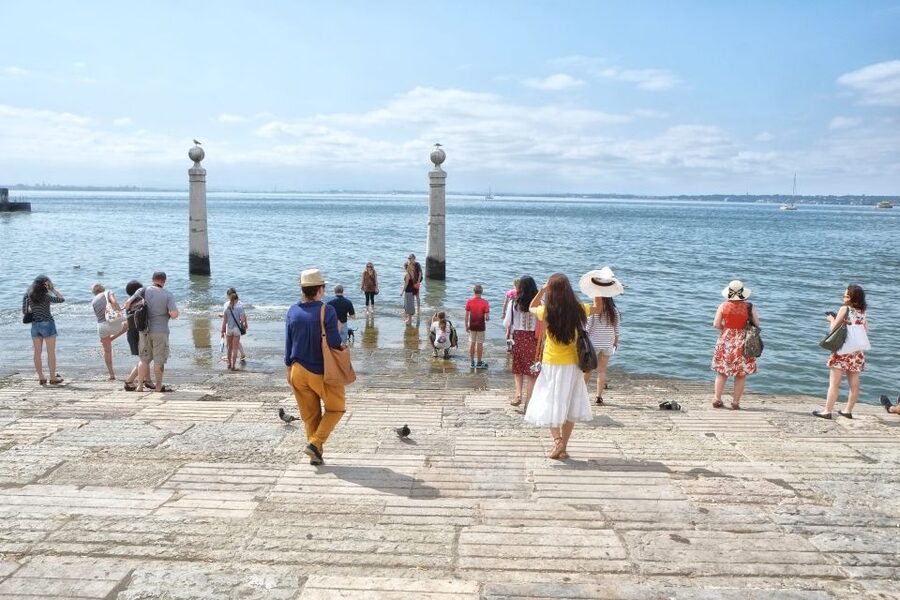
The tour ends with a dramatic payoff at the Commerce Square, Lisbon, also known as Praça do Comércio. This is the part where Lisbon shifts from narrow, hilly lanes to a big open harbor space.
You relax in the square and capture shots of the Tagus River and the Cais das Colunas footbridge. The footbridge once used by kings adds an extra layer to the scene. Standing there, you can see why the harbor mattered. It is wide, active, and tied to the city’s role as a gateway to the wider world.
This finishing stretch also helps you process everything you learned earlier. In Mouraria and Alfama, you experienced Lisbon through close-up street life and old quarters shaped by influence and survival. In Praça do Comércio, you see the grand civic face and the geographic reason the city became important.
It is a satisfying way to end a 3-hour walk because it feels like a release after climbing and turning. You get space to sit, look, and take photos without rushing.
Price and value for an $82 private 3-hour walk
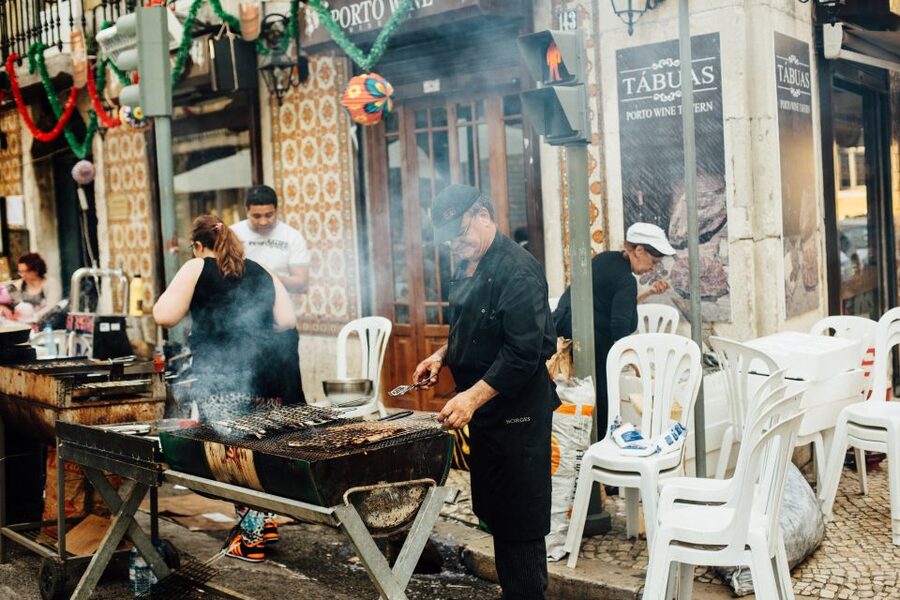
At $82 per person for a 3-hour private walking tour, the value depends on what you want most. If you are the type who likes a guide, appreciates context, and wants your time to feel curated without feeling packaged, this price can make sense.
Here is why. The tour includes a ginja tasting and a coffee, so you are not paying purely for narration. You also get a private group format, meaning you are more likely to get questions answered and your pace adjusted.
The stops are also concentrated. Instead of scattering across far-apart neighborhoods, the tour links Mouraria, Graça viewpoints, Alfama, and then the harbor square finish. That reduces wasted time and helps you build a mental map of Lisbon within a few hours.
On the other hand, if you only want scenic photos and you do not care much about history or cultural context, you might get similar views on your own with fewer paid pauses. But if you want to understand why fado is tied to Mouraria, why Alfama’s story includes 1775, and why Praça do Comércio feels like a turning point, the guided cost can feel justified quickly.
Walking comfort, rain-or-shine, and what to wear
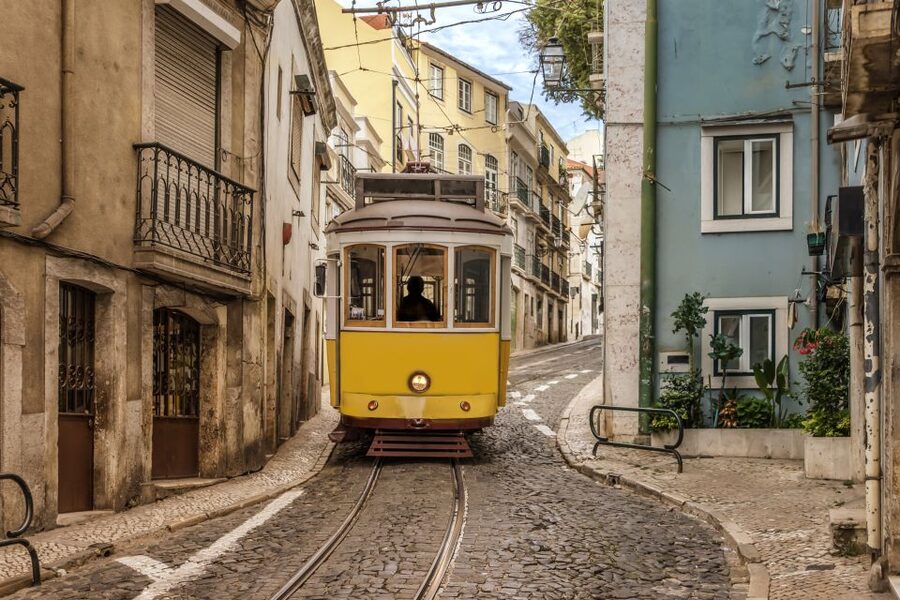
This tour runs rain or shine. That is great for planning, but it also means you should dress for weather and expect slippery spots on older paving.
It may require climbing, and Lisbon’s old streets are steep in stretches. The route is described as not suitable for people with mobility impairments, so if you have any concerns about stairs or steep inclines, it is worth rethinking this specific tour.
What I recommend you do to keep it enjoyable:
- Wear shoes with good grip
- Dress in layers so you can handle wind at viewpoints
- Bring a small umbrella or a rain jacket, especially if you dislike getting wet at longer stops
The good news is that guided pauses are built in at viewpoints and churches. You will not be sprinting the whole time. Still, you should be ready for walking that feels more like a proper old-city stroll than a flat urban walk.
Should you book this private Lisbon like-a-local tour?

Book it if you want Lisbon with both taste and context. The ginja at A Ginjinha is a memorable start, and the route through Mouraria and Alfama gives you more than the usual postcard highlights. You also get built-in viewpoint time, especially at Miradouro de Graça with coffee, and a satisfying ending at Praça do Comércio by the Tagus.
Skip it or consider a gentler alternative if you cannot handle climbing and steep, winding streets, or if you prefer food-free, viewpoint-only sightseeing.
If you do book, you will get the best experience if you treat it like a guided walk you can later build on. When your feet finally slow down near the harbor square, you will be able to look back at the streets with a lot more understanding of Lisbon’s layers, not just its shapes.
FAQ
Where is the meeting point?
Meet at the entrance of the bar A Ginjinha.
How long is the private walking tour?
The tour lasts 3 hours.
What is included in the tour price?
A ginja and a coffee are included.
Is food included beyond the ginja and coffee?
No, food is not included.
Is this tour private?
Yes, it is a private group tour.
What languages are available for the live guide?
The live guide offers Spanish, English, Portuguese, and French.
Does the tour run rain or shine?
Yes, the tour runs rain or shine.
Will the tour involve climbing?
The tour may require climbing.
Is this tour suitable for people with mobility impairments?
No, it is not suitable for people with mobility impairments.
What are the cancellation rules and payment options?
You can cancel up to 24 hours in advance for a full refund, and you can reserve now and pay later.
Newly reviewed in Lisbon
- Lisbon Hills secrets, soul and insights all in 1 TukTuk ride★ 5.0 · 55 reviews
- 4-hour Tuk Tuk Tour of Belém, City Center, and Lisbon’s Old Town★ 5.0 · 7 reviews
- 4 Hours Private Sailing Trip to Oeiras Beach★ 5.0 · 52 reviews
- Nazare,Obidos, and Batalha Monastery Private Tour★ 5.0 · 3 reviews
- 4 Hours Private Tuk Tuk Tour in Lisbon★ 5.0 · 15 reviews
- Private tour Portugal 4 days from Lisbon★ 4.5 · 3 reviews
- 3 Hours Private Tour of Lisbon’s Historic Center by Tuk Tuk★ 5.0 · 17 reviews
- 4-Day South Portugal Tour from Lisbon: Lagos, Algarve Coast, Sagres, Évora, Beja and Setúbal★ 3.5 · 8 reviews
Walking Tours, compared.
Best of Lisbon Small-Group Guided Walking Tour
Read our review →
Best of Lisbon Walking Tour: Rossio, Chiado & Alfama
Read our review →
Sintra & Cascais Day Tour with Pena Palace Entry and Gardens Walk
Read our review →
Lisbon Roots – Small group Food & Culture Walking Tour w/tastings
Read our review →