Reviewed · WALKING TOURS
Walking tour: Lisbon in the Shadows of World War II
This tour is interesting because Lisbon did not just watch World War II from the sidelines. Under Salazar’s dictatorship, the city became a refugee waiting room and a place where espionage played out in plain sight. You walk through central Lisbon and slowly understand why that mattered.
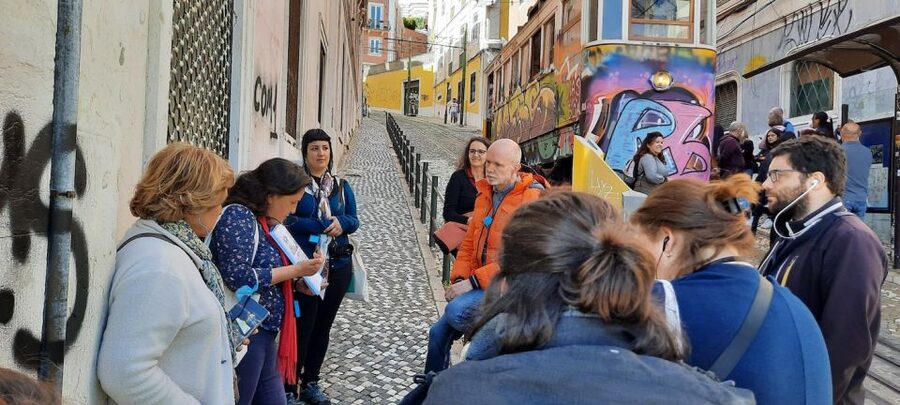
I especially like how the stories focus on real human stakes, not movie-style intrigue, with refugees searching for visas and safety. I also like the way you pause at recognizable places, then connect them to wartime life, including conversations in historic spots like Café Chave d’Ouro and Pastelaria Suiça.
One drawback to consider is that it runs rain or shine, and it covers a lot of walking through city streets. Also, it is listed as wheelchair accessible but marked not suitable for people with mobility impairments, so if that applies, you’ll want to check directly before you book.
Key things that make this walking tour worth your time
- Espionage meets refugee life in the same streets and neighborhoods
- Short stops with context, so you understand what you’re seeing before you move on
- Cafes and public squares become story checkpoints, not just photo stops
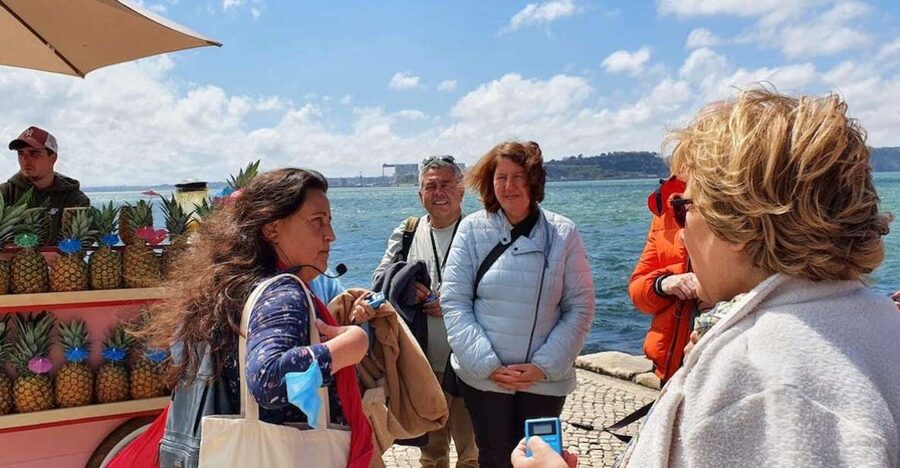
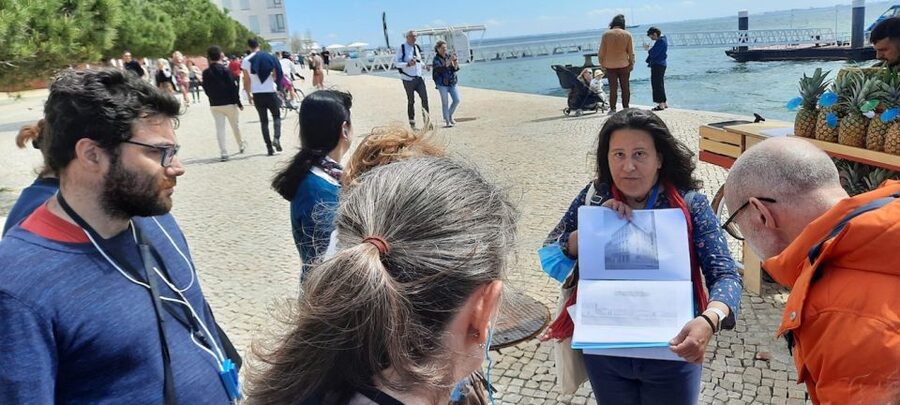
- A named guide, Leonor Abrantes, with extra materials that help the story click
- A satisfying ending near Cais do Sodré, with an easy food option nearby
World War II Lisbon: the neutrality story you do not get from postcards
Lisbon in the late 1930s and 1940s feels like a place where everyday life and international tension rubbed shoulders. Portugal maintained neutrality under the dictatorship of António Oliveira Salazar, and that political choice mattered in practical ways. Visas were a lifeline, so the city turned into a kind of international holding pattern. People waited for permission to leave war-torn Europe, hoping for something as simple as a stamped paper.
At the same time, the neutrality did not mean calm. British, German, and American spies moved through the city and its surroundings. And Portuguese political police watched closely. You get the sense that a lot of what happened was not dramatic bangs in the street, but careful observation, coded chatter, and constant uncertainty.
I like that the tour does not treat Lisbon as a background. You understand Lisbon as a system, where the regime’s refugee policies, the help from pensions and aid organizations, and the watchful state all influenced what people could do next. That is the value here: it turns the city into a working story map.
More walking tours in Lisbon:
- Lisbon: History, Stories and Lifestyle Walking Tour
★ 4.8 · 10,902 reviews - Best of Lisbon Small-Group Guided Walking Tour
★ 5.0 · 4,869 reviews - Lisbon: Food and Wine Small Group Walking Tour
★ 4.9 · 4,082 reviews
Meeting at Praça Marquês de Pombal, then up to Parque Eduardo VII
You meet at Praça Marquês de Pombal 12, in front of Café A Padaria Portuguesa. It is a strong place to start because this is Lisbon’s “go-between” zone. You are close to major avenues, and it is easy to see how the city moves.
From there, the tour heads toward Parque Eduardo VII for a photo stop and guided orientation. This is your first moment to get your bearings. You see the scale of the area and connect it to how people in that era would have traveled and gathered. Even when you only spend about 15 minutes here, it sets a tone: the story will keep shifting between big-picture politics and street-level details.
One neat detail in the narrative is the mention of the once-famous Hotel Aviz, in the same starting area. It helps you picture that this part of Lisbon was already wired into travelers, journalists, and international attention. You are not just learning about wartime Lisbon in theory. You are learning about it in a real urban frame that still exists today.
Avenida da Liberdade and Restauradores Square: where world events press on the streets
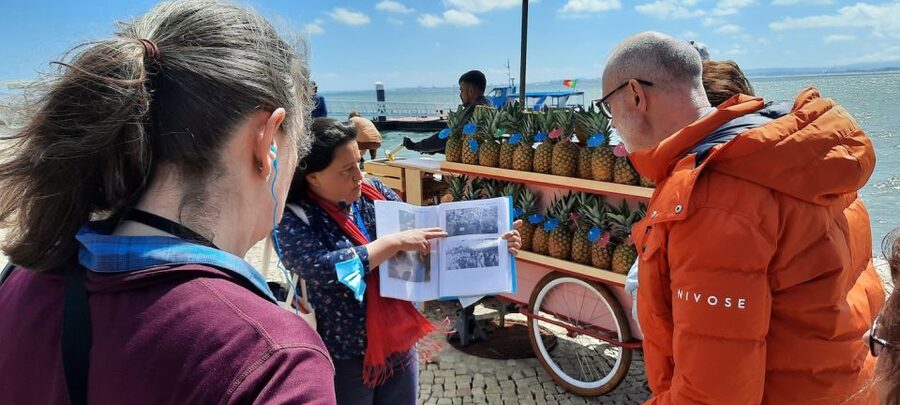
Next comes Avenida da Liberdade, one of the city’s signature grand avenues, followed by Restauradores Square. The tour uses these spaces for a specific purpose. It helps you understand how neutrality could look orderly on the surface while pressure built underneath.
On Avenida da Liberdade, you get time to look and listen. You are guided through what these wide, visible streets represented, and how international actors could use Lisbon’s openness for movement and information gathering. When you hear about British, German, and American spies working in the city, the geography starts to make sense. You can imagine why someone would choose a route that is easy to travel, easy to blend in, and still close to major institutions.
Then Restauradores Square adds another layer. Squares like this function as social nodes. In wartime, social nodes matter because that’s where rumors move, where people compare notes, and where strangers end up talking. You do not just see the architecture. You connect it to the rhythm of uncertainty that refugees felt while waiting for visas and watching for any signal that their lives could change, for better or worse.
A small practical tip: keep your phone ready during these segments. Even if you do not do lots of photos, you’ll want a quick memory anchor for the main avenues before you move into the tighter streets later.
Baixa de Lisboa and Chiado: refugee waiting life and the spy-adjacent café world
The tour then shifts into Baixa de Lisboa and Chiado. This is where the story starts to feel more intimate. It is one thing to talk about political police and espionage in broad strokes. It is another to attach those ideas to daily life: pensions, aid organizations, and the places where people gathered to eat, read, and talk.
You learn how Lisbon functioned for refugees as a waiting room, and how the city could feel like a sad paradise at the same time. That pairing is important. It captures the contradiction: people had a chance at survival, but they were also stuck in limbo, dependent on decisions made far above street level.
You also get specific examples of where wartime news would have landed. The tour visits historic cafes such as Café Chave d’Ouro and Pastelaria Suiça. In these stops, the guide frames the cafes as more than coffee shops. They are places where excitement and trepidation could coexist. When you hear that spies from opposing factions might have been present, it changes the way you listen to conversation. Suddenly, casual talk feels like it could be part of a much larger chess game.
The good part is that you do not need to be a history nerd to enjoy this. The guide’s approach keeps it human and concrete. You understand why a refugee might linger over a pastry while watching faces. You understand why a spy might choose a familiar routine. And you understand why the regime kept a close eye on what was happening.
If you like travel that combines atmosphere with meaning, this is the middle stretch that does the heavy lifting.
Another side of Lisbon for the same trip:
- Lisbon City Center Tour – The Unmissable Lisbon
★ 5.0 · 22,234 reviews - Lisbon: Sintra, Pena, Regaleira, Cabo da Roca & Cascais
★ 4.7 · 19,656 reviews - Lisbon: Jerónimos Monastery Entrance Ticket
★ 4.1 · 14,164 reviews - Lisbon: Sunset Boat Party Cruise with DJ and Open Bar
★ 4.5 · 10,378 reviews
Praça Dom Pedro IV: monuments, invasion fears, and the names that circulated
Praça Dom Pedro IV is another key stop, and it is used for a very specific wartime theme: the fear of Axis invasion and the preparation for it. Lisbon planned for bombing risk, including the protection of important monuments and buildings if the unthinkable happened.
That angle is more useful than it first sounds. It prevents you from treating the city as a neutral observer. Instead, you see neutrality as something that required active planning, active control, and active fear management. The city was not only waiting. It was preparing.
This part of the tour also connects Lisbon to the famous people who passed through during the era. Josephine Baker appears in the story, as does Alfred Döblin, and Leslie Howard. The name drops are not random. They are used to show that Lisbon was not isolated. It was in the orbit of international culture and international attention, and that attention came with both opportunity and risk.
I like this segment because it gives you mental snapshots you can carry after the walk. You leave with a sense that wartime Lisbon was connected, even when it tried to appear calm and controlled.
The walk ends at Cais do Sodré, with an easy food win nearby
The tour finishes at Cais do Sodré, near the river. This ending location is smart for you because it puts you where you can naturally continue your day.
It is also close to Time Out Market, so you can grab a snack or a light meal without needing to plan ahead. That matters because after three hours of guided walking and standing around listening, you want something easy and nearby.
Cais do Sodré also works as a theme finish. The city’s wartime story involved departures, waiting, and movement, and being near a transport hub makes that feel less abstract. You can pause, eat, and let the whole story settle in.
If you have energy left, I’d suggest using the food stop to review what you heard. Ask yourself a simple question: which part felt most real, the refugee waiting life or the spy watchfulness? Your answer usually tells you what kind of history you actually enjoy.
Price and logistics: is $170 per group up to 6 good value?
The price is $170 per group up to 6, with small groups capped at 12 people. For a 3-hour, guided, English or German walking tour that covers multiple central areas and includes specific café stops, the value is solid, especially if you are traveling as a small group.
Here is how I think about it: you are paying for context. Not just directions, but story structure. You’re also paying for a guide who comes prepared with supplemental materials, which helps you connect the dots instead of only collecting facts. In other words, you are buying understanding, not just a route.
If you are traveling solo, you may want to compare against per-person tours. But even then, the group pricing can work out well if you split costs with friends or family.
Two other points that affect value in real life. First, you are out for three hours, which is a good length for a themed walk. Second, it runs rain or shine, so you can plan around it with confidence rather than constantly second-guessing the forecast.
Who should book this tour, and who should look elsewhere
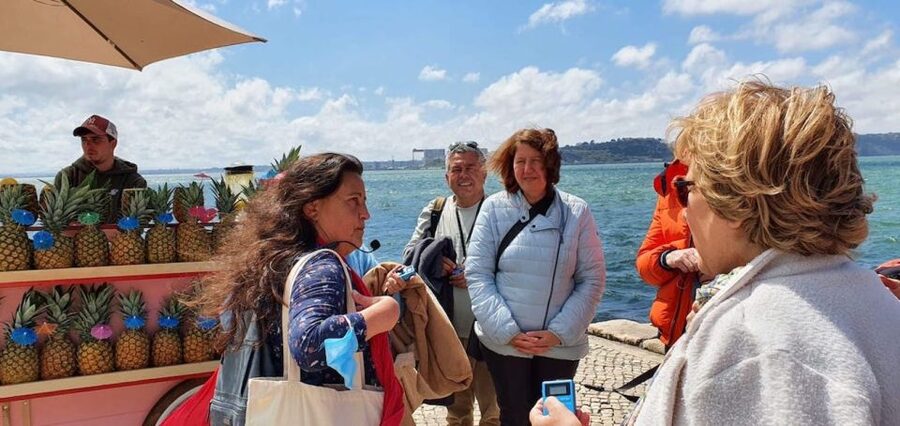
This tour fits best if you like history that feels tied to everyday places. If you enjoy thinking about how politics shapes daily routines, you’ll get a lot out of it.
It also suits you if you like guide-led storytelling with clear pacing. The route moves through major urban spaces and then into more human-scale areas, so the experience does not stay in one mode the whole time.
If you have mobility concerns, pay attention. The tour is listed as wheelchair accessible, but it is also marked not suitable for people with mobility impairments. That inconsistency means you should check details with the provider before booking, so you don’t end up fighting the itinerary on the day.
For everyone else, bring basic comfort items. Wear comfortable shoes and plan for city walking. Three hours can add up, even when the story is fascinating.
The verdict: should you book Lisbon in the Shadows of World War II?
If you want Lisbon that goes past viewpoints and photo spots, I think this is a strong pick. The combination of refugee stories and espionage gives you a different lens on the city, and it does so using real stops you can stand at. You’ll also walk away with named figures like Josephine Baker, Alfred Döblin, and Leslie Howard, plus a clearer sense of how Salazar’s regime shaped what happened on the ground.
Book it if you like guided walking that explains why places matter, not just what they look like. Skip it only if you need an ultra-easy pace or if your mobility situation makes walking unpredictable, since the tour is not framed as suitable for mobility impairments.
FAQ
How long is the walking tour?
The tour duration is 3 hours.
How much does the tour cost?
The price is $170 per group up to 6.
Where do I meet the guide?
You meet in front of Café A Padaria Portuguesa at Praça Marquês de Pombal 12.
Where does the tour end?
The tour ends at Cais do Sodré, and you can walk from there to Time Out Market.
What stops are included during the tour?
The tour includes Parque Eduardo VII, Avenida da Liberdade, Restauradores Square, Baixa de Lisboa, Chiado, and Praça Dom Pedro IV.
Who guides the tour, and what languages are offered?
The live tour guide is Leonor Abrantes, and the tour is offered in English and German.
Is the tour offered in small groups?
Yes, it is listed as a small group experience, with up to 12 participants.
Do I need to bring snacks or drinks?
Food and drinks are not included, so you may want to plan for your own snack or meal outside the tour.
What is the weather plan?
The tour runs rain or shine.
Is it accessible for people with mobility impairments?
It is listed as wheelchair accessible, but it is also marked not suitable for people with mobility impairments, so it is best to check before booking.
Newly reviewed in Lisbon
- Lisbon Hills secrets, soul and insights all in 1 TukTuk ride★ 5.0 · 55 reviews
- 4-hour Tuk Tuk Tour of Belém, City Center, and Lisbon’s Old Town★ 5.0 · 7 reviews
- 4 Hours Private Sailing Trip to Oeiras Beach★ 5.0 · 52 reviews
- Private tour Portugal 4 days from Lisbon★ 4.5 · 3 reviews
- Nazare,Obidos, and Batalha Monastery Private Tour★ 5.0 · 3 reviews
- 4 Hours Private Tuk Tuk Tour in Lisbon★ 5.0 · 15 reviews
- 3 Hours Private Tour of Lisbon’s Historic Center by Tuk Tuk★ 5.0 · 17 reviews
- 4-Day South Portugal Tour from Lisbon: Lagos, Algarve Coast, Sagres, Évora, Beja and Setúbal★ 3.5 · 8 reviews
Walking Tours, compared.
Best of Lisbon Small-Group Guided Walking Tour
Read our review →
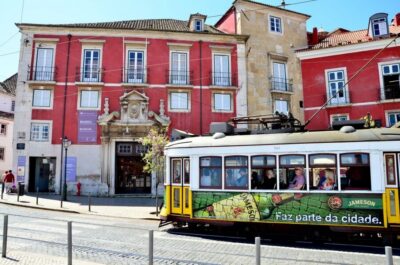
Best of Lisbon Walking Tour: Rossio, Chiado & Alfama
Read our review →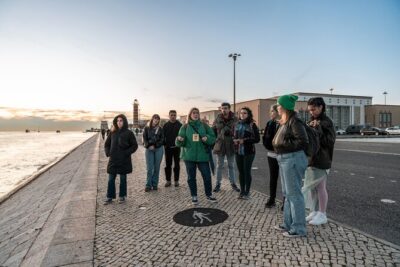
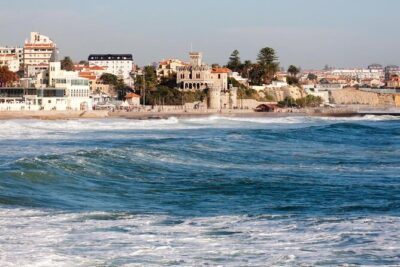
Sintra & Cascais Day Tour with Pena Palace Entry and Gardens Walk
Read our review →
Lisbon Roots – Small group Food & Culture Walking Tour w/tastings
Read our review →