Reviewed · TICKETS
Lisbon: Entry Tickets to Mosteiro de São Vicente de Foram
Mosteiro de São Vicente de Fora is the kind of Lisbon stop that rewards slow walking. You get major tilework up close, royal history in a serious setting, then a panoramic view over the city and river. I love the way the monastery preserves its glazed tiles in their original place, so you are not just looking at art behind glass.
I also love the calm, self-paced flow of the visit, with the Royal Pantheon of the Bragança Dynasty and the La Fontaine tile exhibition built into the route. One possible drawback: there is no guided tour and no audio guide included, so you will lean on the explanatory panels and the provided map flyer to connect everything.
Key highlights I think you will care about
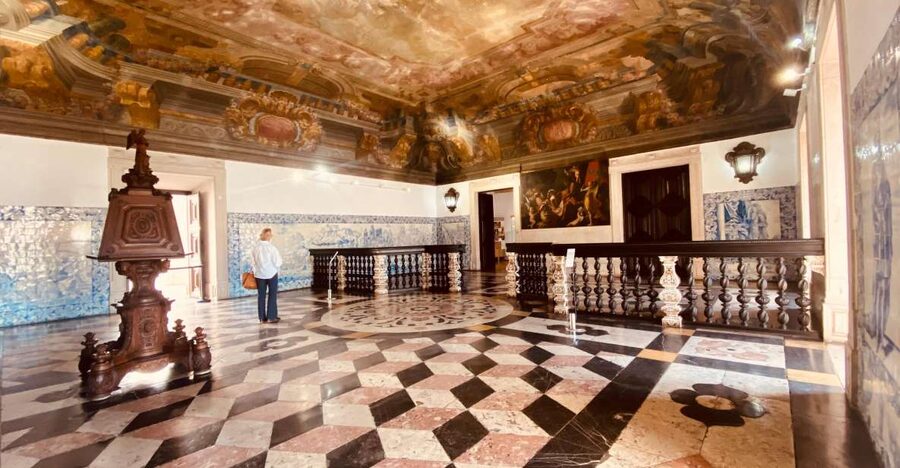
- Glazed tiles in situ: Baroque tiles are preserved on-site, not reassembled elsewhere.
- Royal Pantheon access: You can visit the Bragança Dynasty burial space.
- Still-working medieval cistern: A real historical feature is part of the circuit.
- La Fontaine fables on tiles: 38 fables appear through glazed tile panels.
- Panoramic city and river view: You reach viewpoints with a wide visual sweep.
- Self-paced with onsite help: Explanatory panels and a map flyer guide you through the main areas.
São Vicente de Fora tiles, pantheon, and a view, why this combo works

Most monasteries are about faith and architecture. São Vicente de Fora does that, but it also turns art materials into the main event. The star feature is the tiled decoration, kept in place across multiple spaces, which makes the building feel complete rather than like a museum display.
Then you step into the Royal Pantheon of the Bragança Dynasty, a quieter, more solemn contrast to all that color. It is the kind of pairing that helps you understand Portugal’s shifting power over time, from early royal foundations through later dynasties.
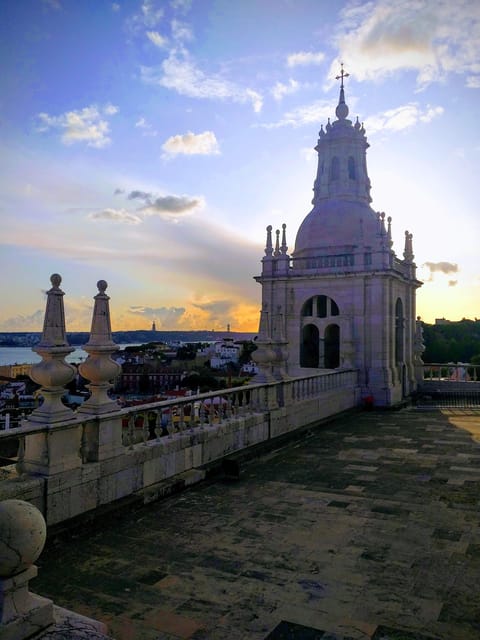
Finally, you end with the part your camera will notice first. The panoramic viewpoint looks out over the city and the river, and you get that feeling of height and openness once you move from interior rooms to the outlook.
If you like a visit where beauty has context, this monastery hits the right note.
A few other ways to do Lisbon
- Lisbon: Jerónimos Monastery Entrance Ticket
★ 4.1 · 14,164 reviews - Lisbon: Oceanário de Lisboa Entrance Ticket
★ 4.6 · 9,943 reviews - Lisbon: Luz Stadium Tour & SL Benfica Museum Ticket w/Scarf
★ 4.7 · 3,264 reviews
Price and value: about $9 for a real, multi-room circuit
At around $9 per person, this ticket is good value because you are not buying just a single room. Your entry covers the monastery route plus access to exhibitions and areas, with explanatory panels throughout.
You also get a bathroom and a flyer that includes a map plus short descriptions. That small extra matters more than you might think in a place with multiple stops. When there is no guided tour, the map and onsite text help you keep your bearings.
Also, the “valid 1 day” setup is practical. You can pick a time that fits your day in Lisbon, rather than forcing your schedule to one strict hour.
Bottom line: you are paying for a full monument experience, not just an entrance.
Finding the ticket office inside Igreja de São Vicente de Fora
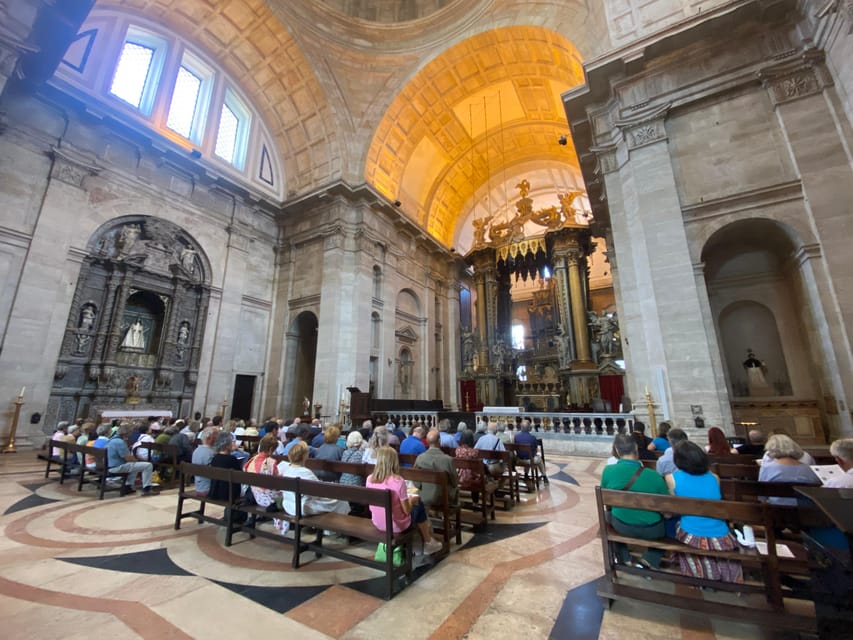
Your start point is simple: you go to the ticket office inside the Church of São Vicente de Fora. That matters because it keeps the start clear and reduces the chances of wandering around the complex.
The activity ends back at the same meeting point. So you are basically doing a walk-through circuit on your own, rather than hopping between distant stops. This is a nice match for a half-day that still needs structure.
The host or greeter is available in multiple languages, including English, Spanish, French, Portuguese, and Italian. You do not need a guide to move through the route, but it is reassuring to know you can ask a quick question at the start if anything is unclear.
The monastery route: what to look for as you move room to room
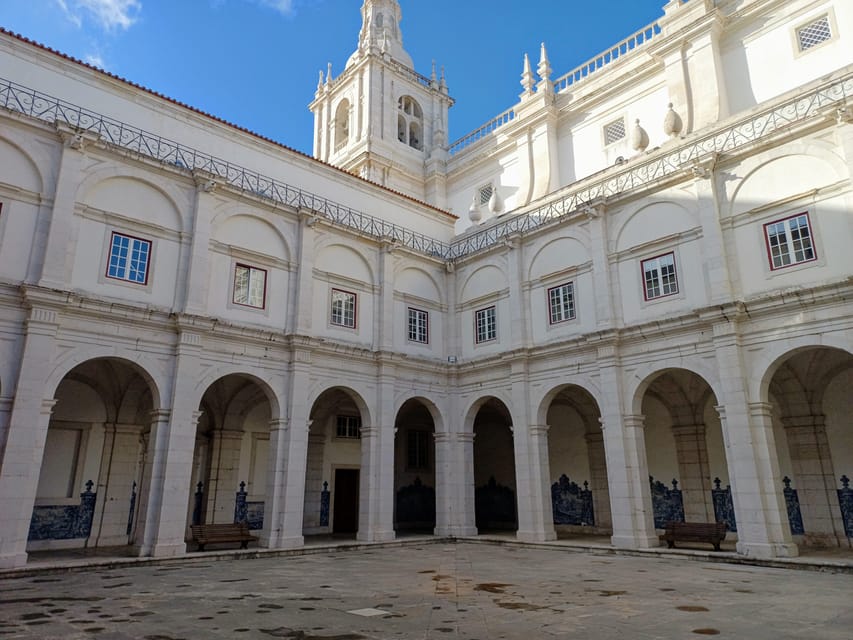
This visit is designed as a guided-by-signage circuit. You have access to all the exhibitions and areas within the route, but you are not meant to wander into areas outside the circuit. That actually helps: you can focus on the highlights without constantly checking if you are allowed through a door.
As you walk through the monastery spaces, keep an eye on materials and purpose. The story of the building is not random. It connects to major moments in Portuguese rule.
The monastery was founded in the 12th century by D. Afonso Henriques, then rebuilt in the 16th century by D. Filipe I (II of Spain). Today, it is recognized as one of the best examples of Mannerism in Portugal. What this means for you in practice is that the building’s style helps explain why certain rooms feel theatrical, while others feel more solemn and ceremonial.
You will also spot practical historical features along the way. For example, there is a medieval cistern that still works. It is the kind of detail that makes the site feel real, not staged.
Take your time with each space. The monastery rewards looking up as much as looking straight ahead.
Another side of Lisbon for the same trip:
- Lisbon City Center Tour – The Unmissable Lisbon
★ 5.0 · 22,234 reviews - Lisbon: Sintra, Pena, Regaleira, Cabo da Roca & Cascais
★ 4.7 · 19,656 reviews - Lisbon: History, Stories and Lifestyle Walking Tour
★ 4.8 · 10,902 reviews - Lisbon: Sunset Boat Party Cruise with DJ and Open Bar
★ 4.5 · 10,378 reviews
Baroque glazed tiles in situ, plus the sacristy with inlaid marble walls
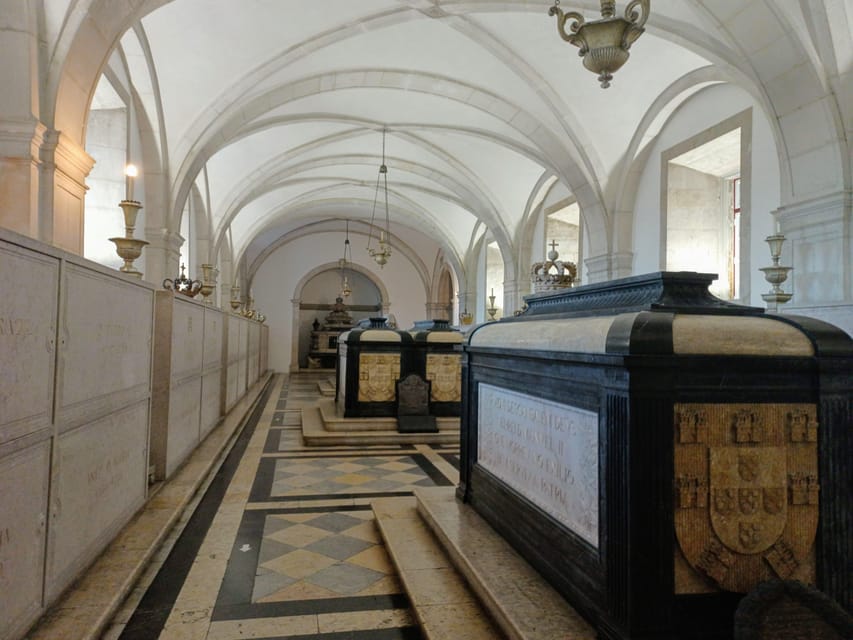
The monastery is often described through its tiles, and that is fair. This is one of Lisbon’s best places to see large tile installations kept in their original setting. You are not just seeing a pattern. You are seeing decoration integrated into architecture.
That matters because tiles can look flat in photographs. On-site, you notice how the light hits the glazed surfaces, how the patterns frame doorways, and how the decoration guides your eyes across a room.
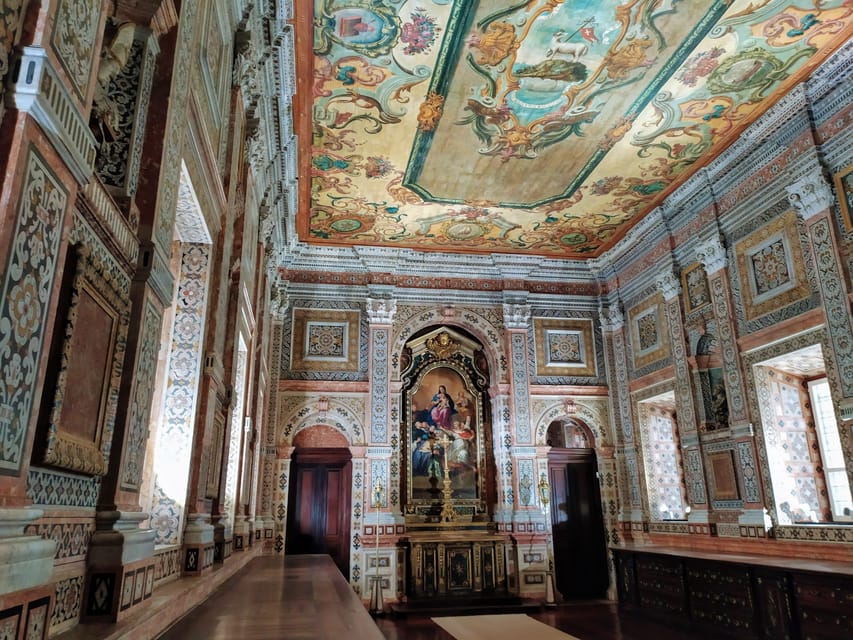
One stand-out stop is the sacristy. Its walls are fully decorated with inlaid marbles. It is not tilework alone. The combination of marble inlays with the broader decorative program makes the space feel like a full-scale design plan rather than a patchwork of improvements.
If you want the best “aha” moments, slow down in the areas where the decoration covers entire wall surfaces. Stand a few steps back, then move closer. You will pick up more detail, and you will understand the scale faster.
The working medieval cistern, why it feels different from a normal exhibit
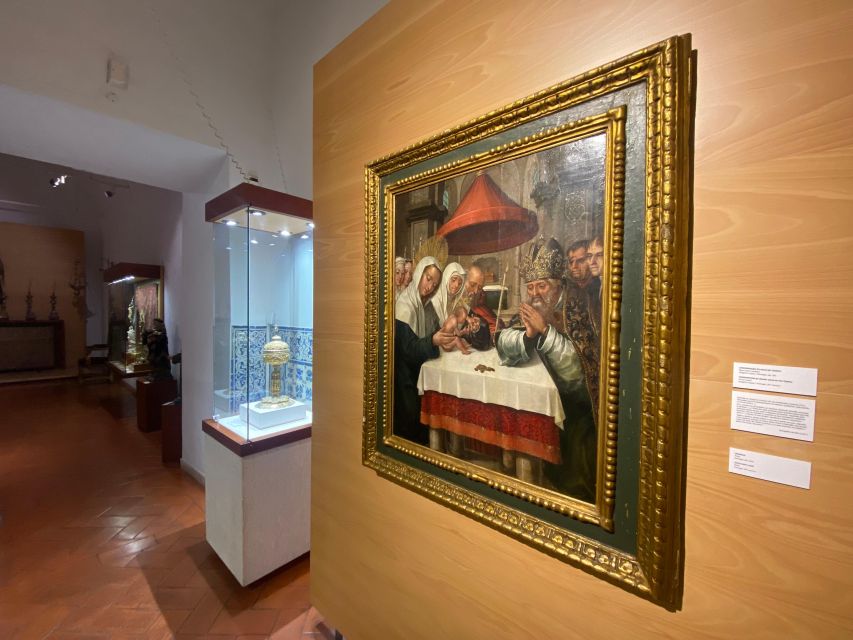
Most monuments show you artifacts. This cistern also shows you infrastructure, and it adds a grounded sense of place.
A medieval cistern that still works is not just a historical note. It changes how you read the building. It reminds you that this was once a functional site, not only a monument for viewing.
When you find the cistern area within the circuit, take a moment to notice how the space is shaped and how it connects to the surrounding rooms. Even without a guided narration, the onsite explanatory panels help you understand what you are looking at.
It is one of those stops that makes the visit feel more like walking inside a living piece of history.
Royal Pantheon of the Bragança Dynasty, solemn space with political weight
The Royal Pantheon of the Bragança Dynasty is one of the main reasons to include this monastery in your Lisbon plans. This is where the last Portuguese royal family is entombed.
That is a big statement, but the space tends to feel personal and quiet. Compared with the tile and decoration-heavy rooms, the pantheon area shifts your attention to meaning: power, lineage, and the way rulers are remembered in stone and ceremony.
If you like museums that respect mood, you will appreciate it. You are not rushed. The self-paced format gives you the ability to linger if the mood is right, or move on quickly if you have seen enough solemn spaces for one day.
Just remember this is a church-monument environment. Keep your voice low and act like you are inside a sacred interior, even if your focus is on history.
The La Fontaine exhibition on glazed tile panels, 38 fables you can actually follow

One of the top praised parts of this visit is the La Fontaine exhibition. You will see 38 fables written by Jean de La Fontaine, depicted in glazed tile panels.
This is a smart pairing of literature and visual design. The tiles help you read the themes without needing a deep literature background. You can move panel to panel and still get the point: these stories were built to teach and entertain, and the tile format turns them into a walkable storybook.
Because there is no audio guide, you will rely on the panels and onsite explanations. That makes it even more important to slow down and read. A quick skim can leave you missing the clever connections between the text and the scene.
If you enjoy art that tells a story, this section is the one where you will feel you got extra value out of your ticket.
The panoramic viewpoint over Lisbon and the river, where photos meet perspective
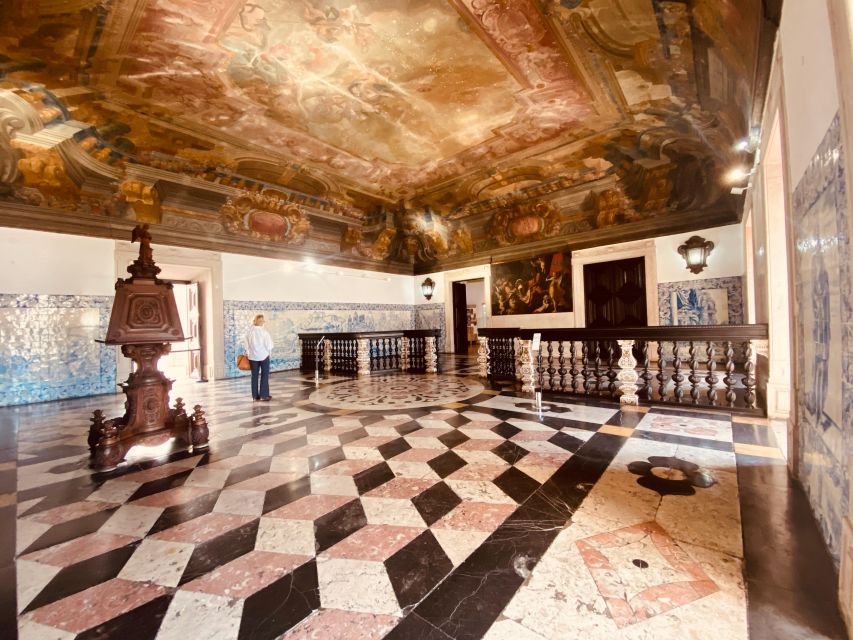
Every Lisbon neighborhood sells itself from the right angle. Here, the monastery viewpoint gives you a broad look over both the city and the river.
You can get that strong “360-degree” feeling from the panoramic area. What I like about this kind of stop is that it gives your day a reset. You spend time indoors with tiles and stone, then you step into open air and let your eyes go wide.
If you are using your phone, take a quick sweep first, then return to frame your favorite view. It is easy to over-shoot photos when you are excited. A short plan makes the results better.
Practical tip: bring a light layer if the weather turns breezy. The route includes interior areas plus an outdoor viewing moment.
Timing, crowds, and who this ticket fits best
The highlights include experiencing the monument without it feeling overly crowded. To get that result, pick a start time that matches your day and your energy level. Since the ticket is valid for 1 day and offers available starting times, you can usually choose a slot that avoids peak congestion.
This visit fits best if you:
- Love decorative art, especially Portuguese tiles in their original architectural context
- Want a meaningful connection between royal history and the spaces where it is remembered
- Prefer a self-paced route with onsite text rather than a group tour
- Like finishing with a viewpoint that makes your Lisbon day feel complete
It may not fit you as well if you specifically want a full guided narration. Because there is no guided tour and no audio guide included, you will need to read the informative panels and use the flyer map to make the most of it.
Also, pack-light rules matter. Food and drinks are not allowed, and luggage or large bags are not allowed. If you are traveling with a big bag, plan to travel light for this stop.
Should you book Mosteiro de São Vicente de Fora?
I think you should book this ticket if you want a classic Lisbon monument with multiple “wow” moments stacked together. The value is strong for what you get, especially the combination of tilework in situ, the Royal Pantheon, and the La Fontaine exhibition.
Book it if you enjoy learning through looking, not through a spoken tour. The explanatory panels and the map flyer do the heavy lifting, and you can move at your own speed.
Skip it or reconsider if you need an audio guide or a guided explanation to enjoy a monument. The entry is great, but the experience is meant to be self-guided inside the route.
FAQ
How much does the Lisbon Mosteiro de São Vicente de Fora ticket cost?
The price is $9 per person.
How long is the ticket valid?
The ticket is valid for 1 day. Check availability to see starting times.
Does this ticket include a guided tour or an audio guide?
No. A guided tour and an audio guide are not included.
What does the ticket include once I enter?
It includes entry to the monastery, access to all exhibitions and areas in the circuit, bathroom access, informative and explanatory panels, and a flyer with a map and brief description.
Where is the meeting point?
You start at the ticket office inside the Church of São Vicente de Fora. The experience ends back at the same meeting point.
What languages is support available in?
The host or greeter is available in English, Spanish, French, Portuguese, and Italian.
What is not allowed during the visit?
Smoking is not allowed. Food and drinks are not allowed. Luggage or large bags are not allowed. Alcohol and drugs are not allowed.
Can I cancel for a refund?
Yes, free cancellation is available up to 24 hours in advance for a full refund.
Newly reviewed in Lisbon
- Lisbon: Private Food Tour – 10 Tastings with Locals★ 4.8 · 73 reviews
- Lisbon: Private Custom Tour with a Local Guide★ 5.0 · 6 reviews
- Lisbon: 2 hours Private City Highlights Tuk-Tuk Tour for two★ 5.0 · 5 reviews
- Lisbon: City Sightseeing Tour★ 4.9 · 13 reviews
- Lisbon: Private Christmas Lights Tour by Eco Tuk Tuk★ 4.9 · 51 reviews
- Lisbon: Private Catamaran Charter for up to 18-People★ 5.0 · 7 reviews
- Lisbon: Private Boutique Boat Tour – Sail in Style★ 5.0 · 87 reviews
- Lisbon: Private Boat Trip, Guided Walking Tour, Bike & Tram★ 4.8 · 116 reviews
Tickets, compared.



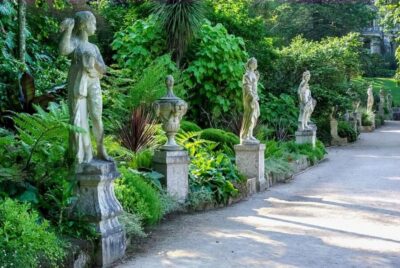
Quinta da Regaleira Skip-the-Ticket-Line Entry & Audioguide
Read our review →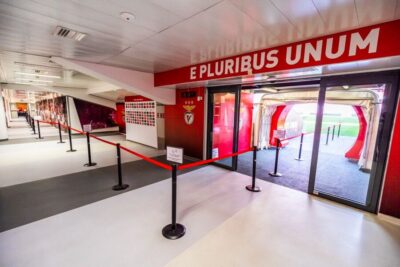
Luz Stadium Tour & SL Benfica Museum Ticket w/Scarf
Read our review →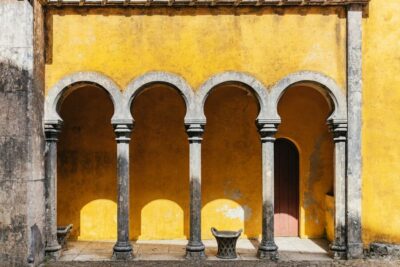
Sintra & Cascais Small Group Tour with Tickets
Read our review →