Reviewed · TICKETS
Mafra: National Palace of Mafra Entry Ticket
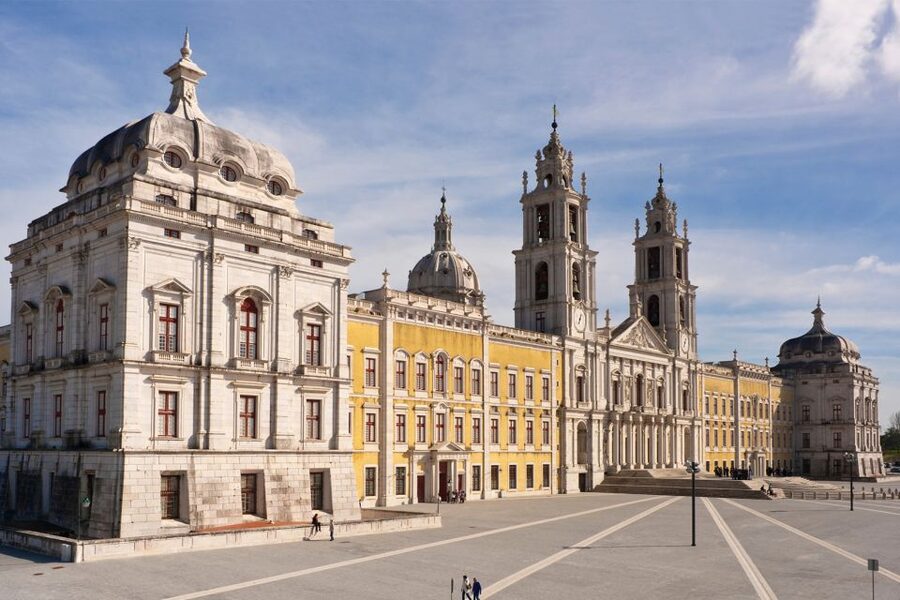
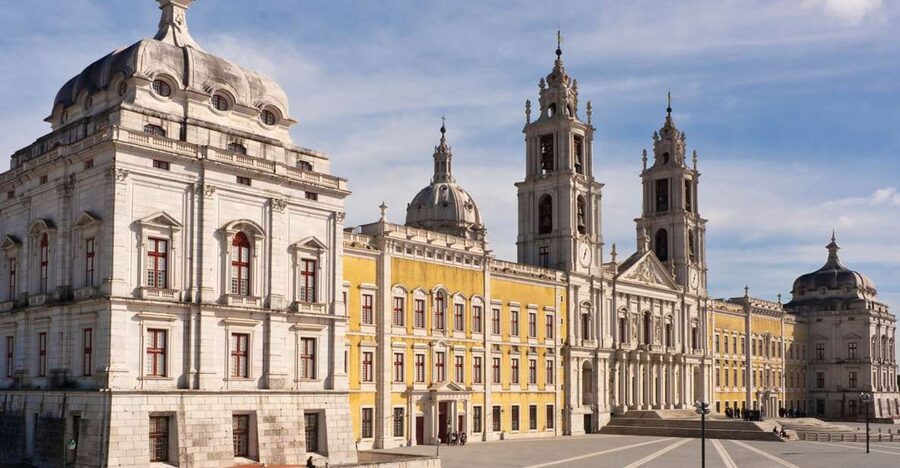
Mafra is one of those Portugal places that feels built for kings, but works just fine for you. This entry ticket gets you into the National Palace of Mafra complex, including the palace areas and the basilica.
I especially love the scale of the buildings, then the way your visit turns into something specific and unforgettable once you’re inside. The basilica’s six historic organs are a real anchor moment, and the library is the kind of sight that makes you pause, even if you’re not a book person.
One thing to keep in mind: some rooms can be closed for works on certain days, so your plan might be a little less complete than you hoped. If you’re visiting for one exact feature, build in time just in case.
Key highlights you can plan around
- Basilica + six historic organs that pull your attention the moment you walk in
- Portugal’s largest library with over 36,000 volumes (when open)
- Royal palace setting tied to 18th-century court life and major religious events
- Italian sculpture and Portuguese painting collections in the palace environment
- Two carillons and historic sound traditions, not just grand rooms
- A practical 1-2 hour visit if you pace yourself and don’t get stuck reading every label
Why Mafra feels like stepping into 18th-century Portugal
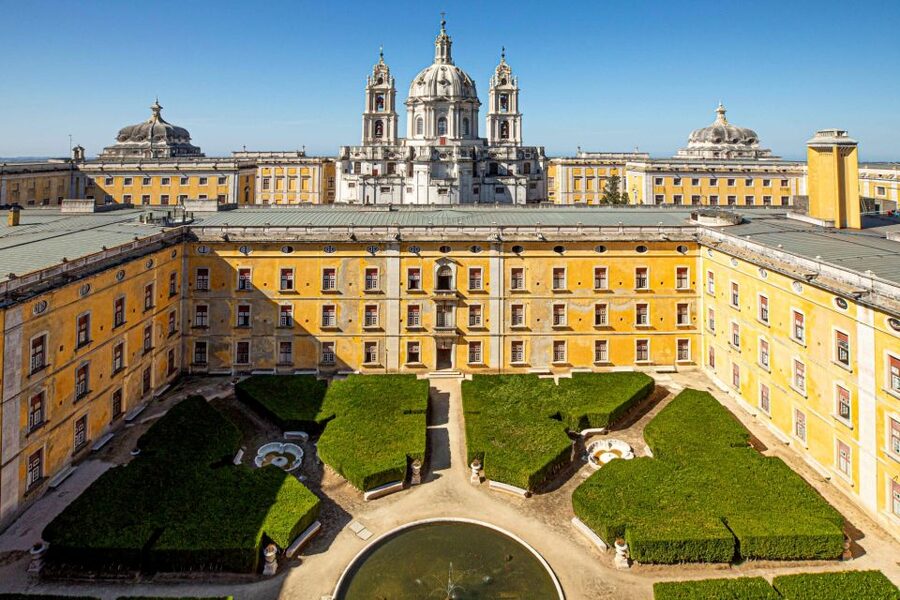
The National Palace of Mafra sits in Portugal’s Lisbon District, and the setting is part of the magic. Even before you reach the main areas, you get the sense you’re approaching a grand royal project, not a quick sightseeing stop.
The complex has been on the UNESCO World Heritage list since 2019, but what matters for you is what that status translates to in real life. You’re walking through a palace-convent-basilica environment designed to impress, but also to function as a serious place of religion and royal life. The palace was regularly visited by kings and royal family members for religious feasts, and there was even hunting life connected to the estate. That mix of sacred and courtly is what makes Mafra more than just architecture.
If you like buildings that come with a clear “why,” you’ll appreciate Mafra’s design language. The blend of Neoclassical and Baroque elements makes the place feel both orderly and theatrical, the way court culture often does.
A few other ways to do Lisbon
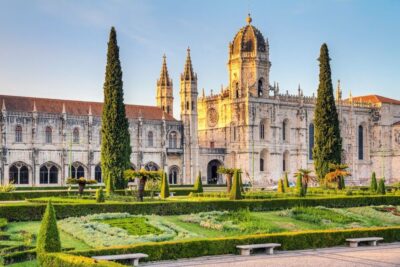
- Lisbon: Jerónimos Monastery Entrance Ticket
★ 4.1 · 14,164 reviews - Lisbon: Oceanário de Lisboa Entrance Ticket
★ 4.6 · 9,943 reviews - Lisbon: Luz Stadium Tour & SL Benfica Museum Ticket w/Scarf
★ 4.7 · 3,264 reviews
Price and value: what the $17 ticket actually buys
At about $17 per person, this is not the cheapest ticket you’ll find in the Lisbon area. The good news is that Mafra is a bigger experience than many people expect for a 1-day entry ticket.
Your ticket gives you access to the royal palace, the convent, and the basilica. In other words, you’re not just seeing one room. You’re seeing a whole working complex, with multiple spaces that each tell a different part of the story: power (palace), daily religious life (convent), and ceremony and music (basilica).
Two value points I like for your decision:
- You have enough time for a relaxed visit. The average visit runs about 1-2 hours.
- The site includes specific “must-see” features. The six historic organs and the library’s collection size are not vague promises. They are concrete, countable highlights.
The watch-out is narration. Some visitors feel the entry price is high if you wanted an audio guide or a guided explanation. If you prefer stories while you walk, plan to bring your own reading or strategy for making sense of what you see. This is mainly a self-paced entry ticket.
Timing rules that keep your visit smooth
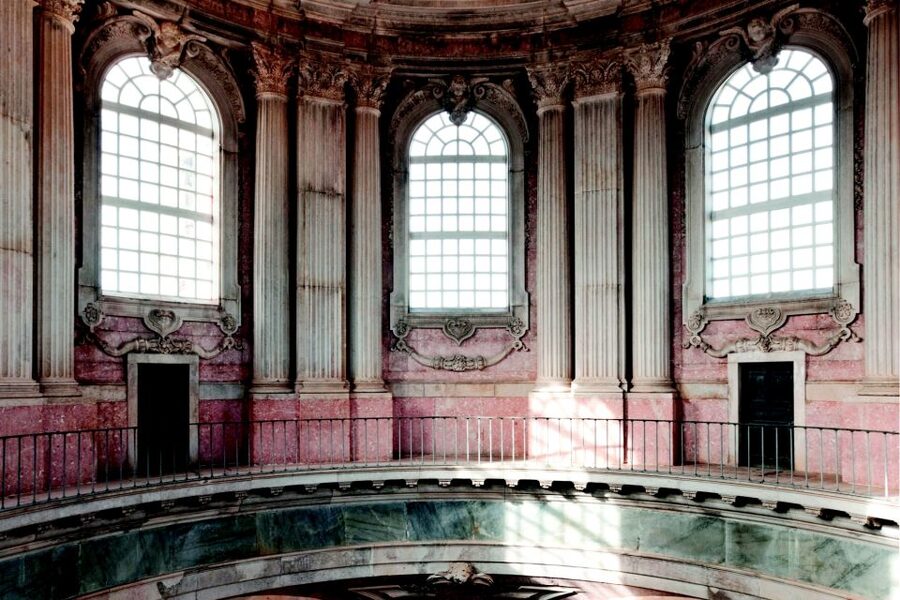
Plan your visit like you would for any major museum site, only with one extra twist: Mafra has consistent weekly and yearly closures.
Open hours are 9:30 AM to 5:30 PM every day except Tuesday, when it’s closed. The last entry is 4:30 PM, so don’t show up late and assume you’ll “still make it” to everything.
There are also specific holiday closures, including January 1, Easter Sunday, May 1, Ascension Thursday, and December 25. If your trip timing lands on one of these, save yourself the frustration and pick another day.
Here’s a smart approach: arrive with enough time to slow down. If you get there right at the start of the day, you’re less likely to feel rushed through the basilica and library. If you come closer to mid-afternoon, you might still have time, but your pacing will be more forced.
Where to meet and how to enter using your QR code
When you arrive, present your QR code at the entrance to the left of the basilica’s main entrance.
That detail matters because Mafra can look “big from outside,” and you do not want to spend 15 minutes wandering while your entry window slips by. Once you’re scanned, you can immediately focus on orientation inside.
If you tend to over-plan, here’s the reality: Mafra is big enough that you’ll want a simple game plan. Pick one “must focus” item, then let the rest come second. The organs and the library are the easiest choices for that.
Another side of Lisbon for the same trip:
- Lisbon City Center Tour – The Unmissable Lisbon
★ 5.0 · 22,234 reviews - Lisbon: Sintra, Pena, Regaleira, Cabo da Roca & Cascais
★ 4.7 · 19,656 reviews - Lisbon: History, Stories and Lifestyle Walking Tour
★ 4.8 · 10,902 reviews - Lisbon: Sunset Boat Party Cruise with DJ and Open Bar
★ 4.5 · 10,378 reviews
Inside the palace complex: basilica first, then everything else
A lot of people structure Mafra around the basilica, and that’s a good instinct. The basilica is where you feel the site’s ceremonial intent right away, and it’s where the six historic organs create a dramatic moment.
Here’s what makes the basilica experience click:
- It’s not just decoration. You’re in a religious space designed for events.
- The organs give you a very specific landmark. Instead of wandering through “nice rooms,” you have a clear target.
After you’ve taken in the basilica areas, you can move into the palace and convent spaces with better context. You’ll start noticing how the design supports ceremony and ritual life. Even if you’re not an expert, the building language makes sense fast.
One practical tip for photos and sanity: expect lighting changes as you move from grand spaces to other areas. Give yourself a minute to adjust your eyes before trying to take pictures you’re happy with.
The library with 36,000 volumes: your “wow” stop
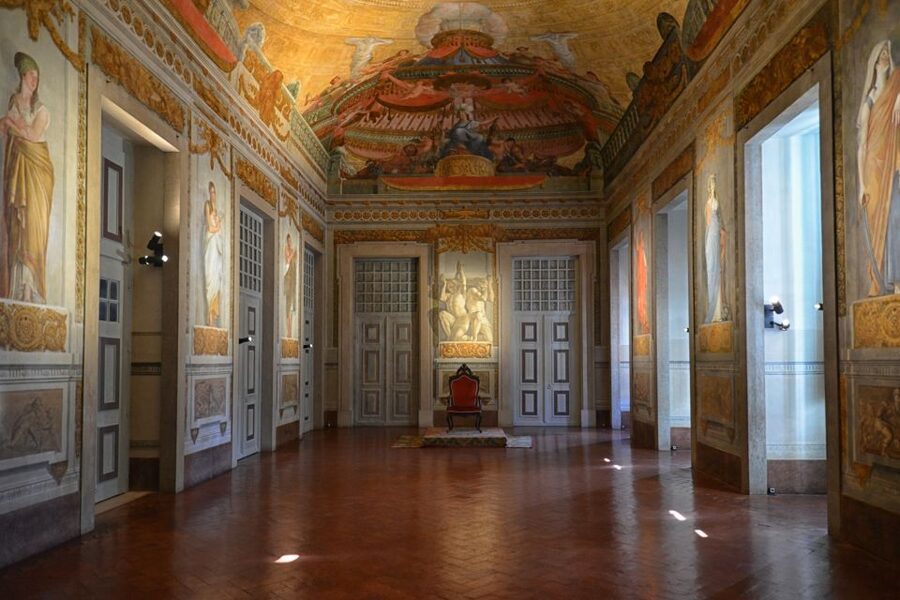
The library is Portugal’s largest, with over 36,000 different book volumes. That number is impressive on paper, but what you’ll actually feel is the scale of it, plus the sense that this is a working collection, not a display-only setup.
This is also a great place for a slower pause. You’re surrounded by a setting that was built to matter, and even if you don’t read books in the moment, you can still connect to the idea of knowledge as a form of prestige.
One important reality check: some visits may not include full library access due to works. If your trip depends on the library as a “must,” consider arriving early and giving the library time even if you think you’ve already seen enough. And if you find sections closed, adjust your route rather than forcing it. You’ll still get a valuable visit from the palace and basilica areas.
Art and sculpture in Mafra: Italian pieces plus Portuguese painting
Mafra includes a notable mix of artistic collections, including Italian sculptures and Italian and Portuguese paintings. For you, this is the practical part: instead of only seeing architecture, you get a chance to slow down and look at objects that carry regional style.
The way I think about these collections is simple. The palace architecture is the grand “frame.” The art collections are what makes the frame personal and human. You’ll see religious and court culture turned into objects you can actually stand in front of.
If you like art but hate museum overload, Mafra’s approach can work well. You can pick a few focal pieces and still feel like you got a real sampling of the collections, without feeling like you must cover every inch.
Also, keep your eyes open for signage and access rules. Some areas might not be accessible directly on certain days, which can change the flow of the visit. A clear plan beats frustration.
Two carillons and the sound side of Mafra
Carillons and organs are both about a building’s sound identity, and Mafra includes two carillons along with the six historic organs.
You might not catch a performance every time, but even without music playing, you can understand why sound matters here. The basilica is a ceremonial heart, and the presence of multiple instrument traditions supports the idea that Mafra was meant for important gatherings.
If you’re sensitive to audio or crowds, don’t panic. This is still a historical site experience where you can control your pace. Just be aware that sound-related areas can feel more “event-like” than plain gallery rooms.
The 18th-century hospital and why access rules matter
One of the cooler “outside-the-box” elements in Mafra is the 18th-century hospital within the complex. It’s a reminder that royal religious sites were also places where systems of care and institutions lived alongside ceremony.
But there’s a drawback you should know ahead of time: access to some areas, including more specialized sections like the hospital area, may be restricted for maintenance or works. On those days, your visit can feel a bit less complete than the full description suggests.
This is where your mindset helps. Instead of treating Mafra like a checklist with a guaranteed order, treat it like a living museum complex. You can still enjoy the big, accessible highlights, and the smaller areas become bonus material if they’re open.
If you hit a closure, don’t waste energy arguing with yourself. Just pivot. The basilica and library are still strong even when other wings are limited.
A practical 1 to 2 hour Mafra plan that doesn’t rush you
If you only have a short window, you can get a satisfying Mafra experience without playing hopscotch across the whole complex.
Here’s a simple flow that works well:
- Start at the basilica areas, then take in the six historic organs moment.
- Move to the library while you still have focus. This is where you can slow down and absorb scale.
- Follow with the palace and art viewing areas, prioritizing the spaces with Italian sculpture and paintings.
- If time allows, look for access to the hospital wing and any other open sections that interest you.
For your best results, don’t try to do everything at maximum speed. Mafra is the kind of site where you’ll feel better if you spend your energy on a few decisive stops rather than chasing every door.
Also, keep an eye on what you can’t enter. If something’s closed, your route may tighten. Having a flexible plan saves time and stress.
Who should book this entry ticket, and who might feel disappointed
This ticket makes the most sense if you want:
- A major UNESCO-listed palace complex without needing a multi-hour tour
- Architecture plus religious-court atmosphere in one place
- Specific anchors like the basilica’s organs and the library’s 36,000+ volumes
- A self-paced visit where you can slow down when you want
You might not love it as much if:
- You mainly want guided storytelling and you do not like self-paced explanations
- You’re visiting specifically for one feature and you can’t adapt if a section is closed due to works
- You dislike situations where access feels less clearly signposted inside
I’d frame it like this: if your goal is to see Mafra as a real historic complex, not just a quick photo stop, it’s a strong choice. If you need lots of interpretation packaged for you, be ready to supply some of that yourself.
Final call: should you book Mafra now?
If you’re in the Lisbon region and you like grand buildings with real historical purpose, yes, book it. The value is strongest when you treat this as a focused, short visit: basilica, organs, library, then art and palace rooms.
I’d especially recommend it if you want a UNESCO site that feels like a full complex, not a single landmark. The combination of the basilica setting, the organs, and the library scale makes Mafra memorable even within 1-2 hours.
Skip or reconsider only if your dates are risky for closures, or if you strongly prefer guided narration and will feel frustrated by limited interpretive support.
FAQ
What is included with the Mafra entry ticket?
Your ticket includes entry to the royal palace, the convent, and the basilica.
How long does the visit usually take?
The average visit takes about 1-2 hours.
What are the opening hours, and when is last entry?
The palace is open 9:30 AM to 5:30 PM daily except Tuesday. Last entry is at 4:30 PM.
Is the palace closed on any days?
Yes. It is closed on Tuesday, and also closed on January 1, Easter Sunday, May 1, Ascension Thursday, and December 25.
Where do I scan my QR code to enter?
Present your QR code at the entrance to the left of the basilica’s main entrance.
How long is the ticket valid?
The ticket is valid for 1 day. Check available starting times to match your visit plan.
Is this ticket refundable?
No. The ticket is non-refundable.
Newly reviewed in Lisbon
- Lisbon: Private Food Tour – 10 Tastings with Locals★ 4.8 · 73 reviews
- Lisbon: 2 hours Private City Highlights Tuk-Tuk Tour for two★ 5.0 · 5 reviews
- Lisbon: Private Custom Tour with a Local Guide★ 5.0 · 6 reviews
- Lisbon: City Sightseeing Tour★ 4.9 · 13 reviews
- Lisbon: Private Christmas Lights Tour by Eco Tuk Tuk★ 4.9 · 51 reviews
- Lisbon: Private Catamaran Charter for up to 18-People★ 5.0 · 7 reviews
- Lisbon: Private Boutique Boat Tour – Sail in Style★ 5.0 · 87 reviews
- Lisbon: Private Boat Trip, Guided Walking Tour, Bike & Tram★ 4.8 · 116 reviews
Tickets, compared.

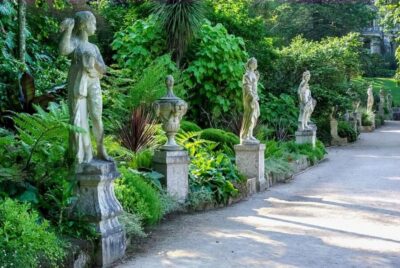
Quinta da Regaleira Skip-the-Ticket-Line Entry & Audioguide
Read our review →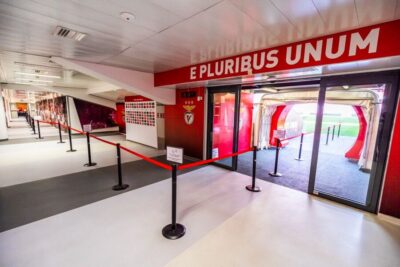
Luz Stadium Tour & SL Benfica Museum Ticket w/Scarf
Read our review →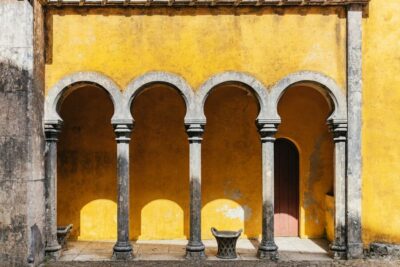
Sintra & Cascais Small Group Tour with Tickets
Read our review →